Case Study: Successful Eco-Friendly Warehouse Projects in Perris
Introduction to Eco-Friendly Warehousing
In recent years, the drive towards sustainability has transformed various industries, including logistics and warehousing. Perris, a city in California, has become a hub for eco-friendly warehouse projects, showcasing innovative strategies that reduce environmental impact while maintaining efficiency.
Design and Construction
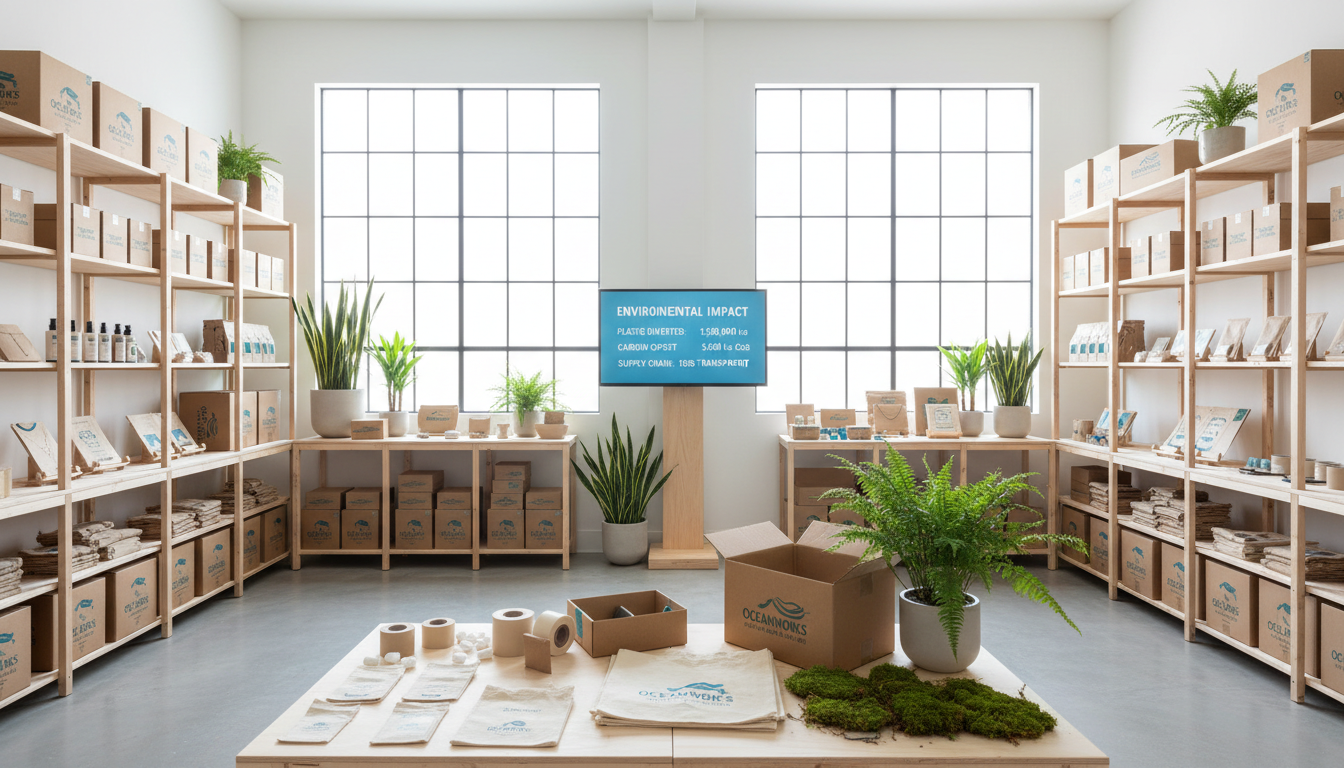
One of the primary aspects of these successful projects is the design and construction of the warehouses. Many facilities in Perris have adopted green building standards, utilizing materials that are both sustainable and energy-efficient. This approach not only minimizes waste but also ensures the longevity of the structures.
Key features often include the use of recycled materials, energy-efficient lighting, and advanced insulation techniques. These elements work together to create buildings that require less energy for heating and cooling, thereby reducing their carbon footprint.
Energy Solutions and Innovations
Another critical component of these eco-friendly projects is the implementation of innovative energy solutions. Many warehouses have incorporated solar panels to harness renewable energy, significantly cutting down on electricity usage from non-renewable sources. Additionally, some facilities have adopted wind turbines and geothermal energy systems.
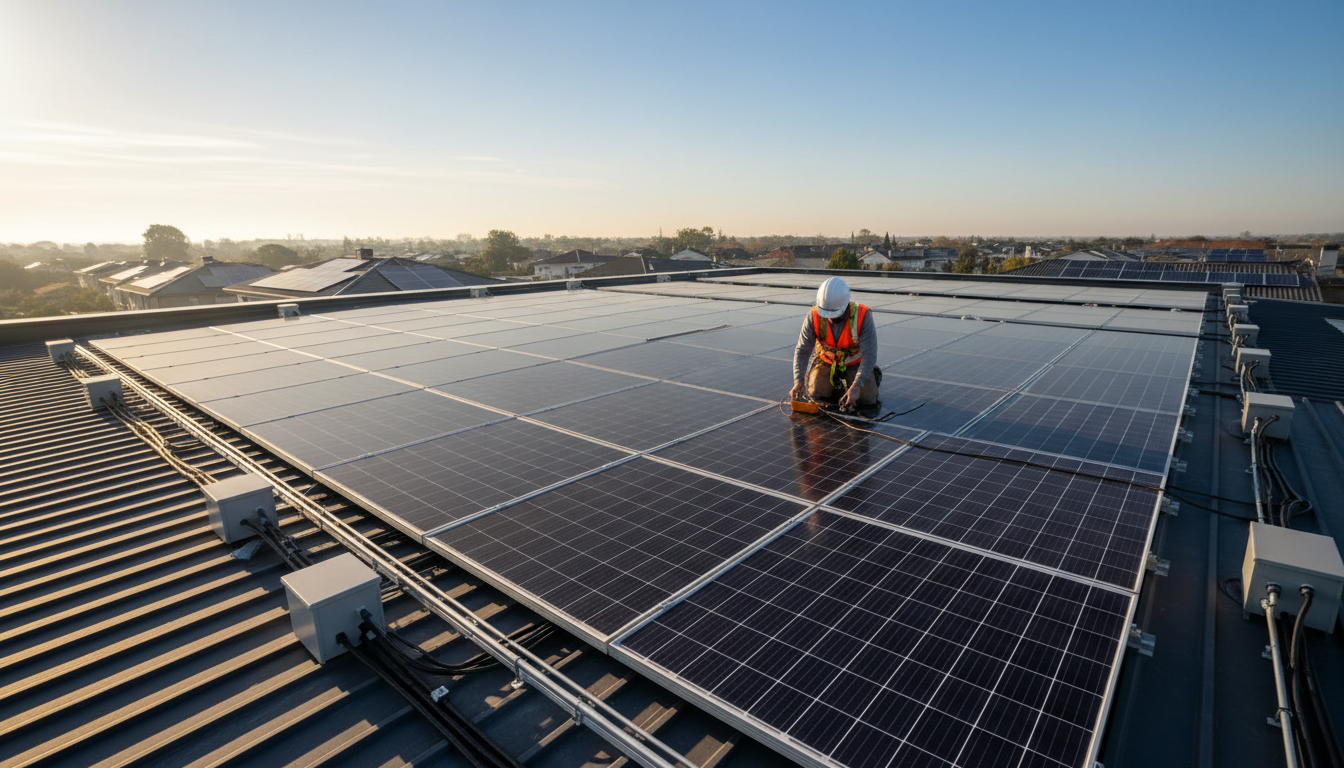
These energy solutions are complemented by smart energy management systems that monitor and optimize energy consumption in real-time, ensuring that resources are used efficiently.
Water Conservation Techniques
Water conservation is another area where Perris warehouses excel. Rainwater harvesting systems and low-flow fixtures are commonly used to reduce water consumption. Additionally, advanced irrigation systems ensure that any landscaping around the facilities uses water sparingly.
Such measures not only conserve water but also help in reducing the overall operational costs of the warehouses.

Sustainable Transportation Practices
Transportation is a significant part of warehouse operations, and Perris projects have made notable strides in this area. Many facilities have adopted electric vehicles for transporting goods within and outside the warehouse. Charging stations are strategically placed to support these vehicles, promoting a shift away from fossil fuels.
Additionally, some warehouses have implemented efficient logistics planning, reducing the number of trips and optimizing routes for fuel efficiency.
Community and Economic Impact
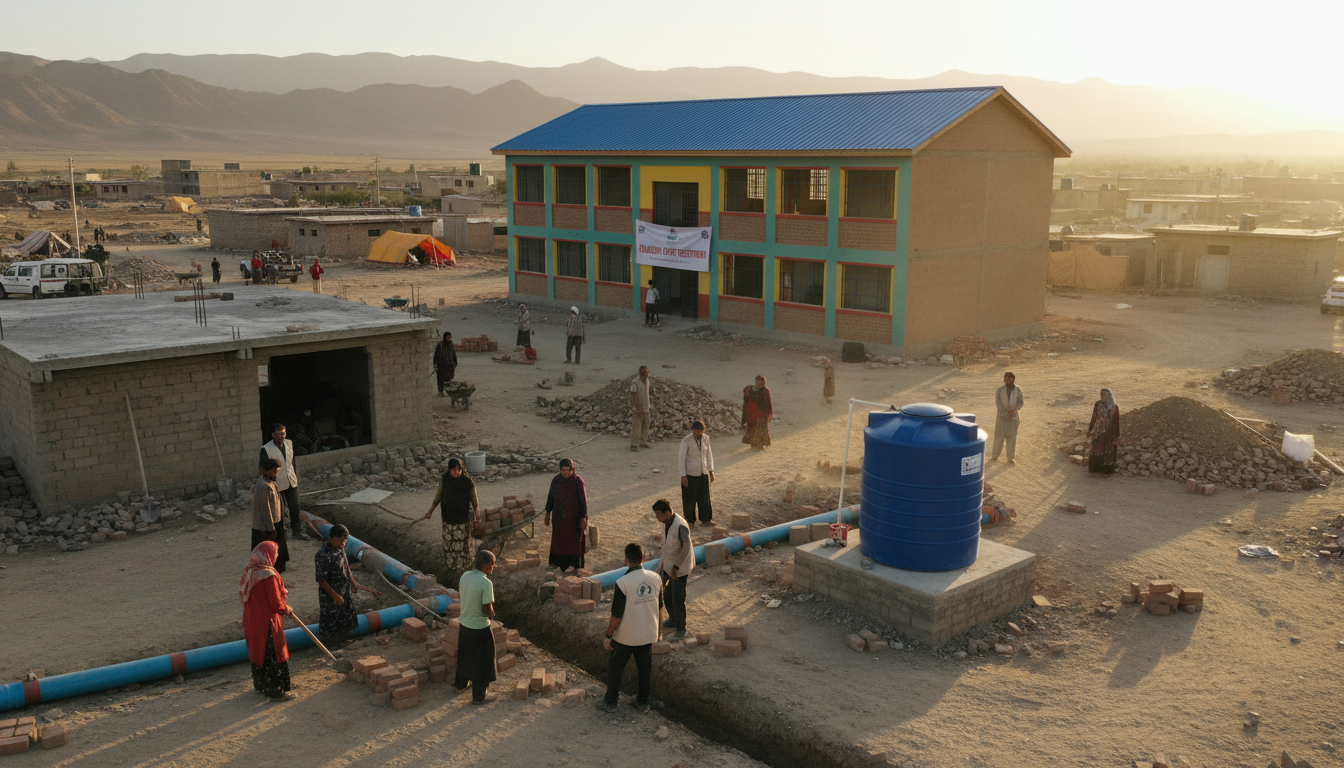
The shift towards eco-friendly warehousing in Perris has also had a positive impact on the local community and economy. These projects have created jobs and spurred economic growth while enhancing the quality of life for residents by reducing pollution and conserving resources.
Moreover, these initiatives have set a precedent for other regions, demonstrating the feasibility and benefits of sustainable practices in the warehousing industry.
Conclusion
In conclusion, the eco-friendly warehouse projects in Perris serve as exemplary models of how sustainability can be integrated into logistics and warehousing. Through innovative design, energy solutions, water conservation, and sustainable transportation practices, these projects not only contribute to environmental preservation but also offer economic and community benefits.
As more regions look to adopt similar practices, the successes in Perris provide a valuable roadmap for achieving a balance between operational efficiency and environmental responsibility.