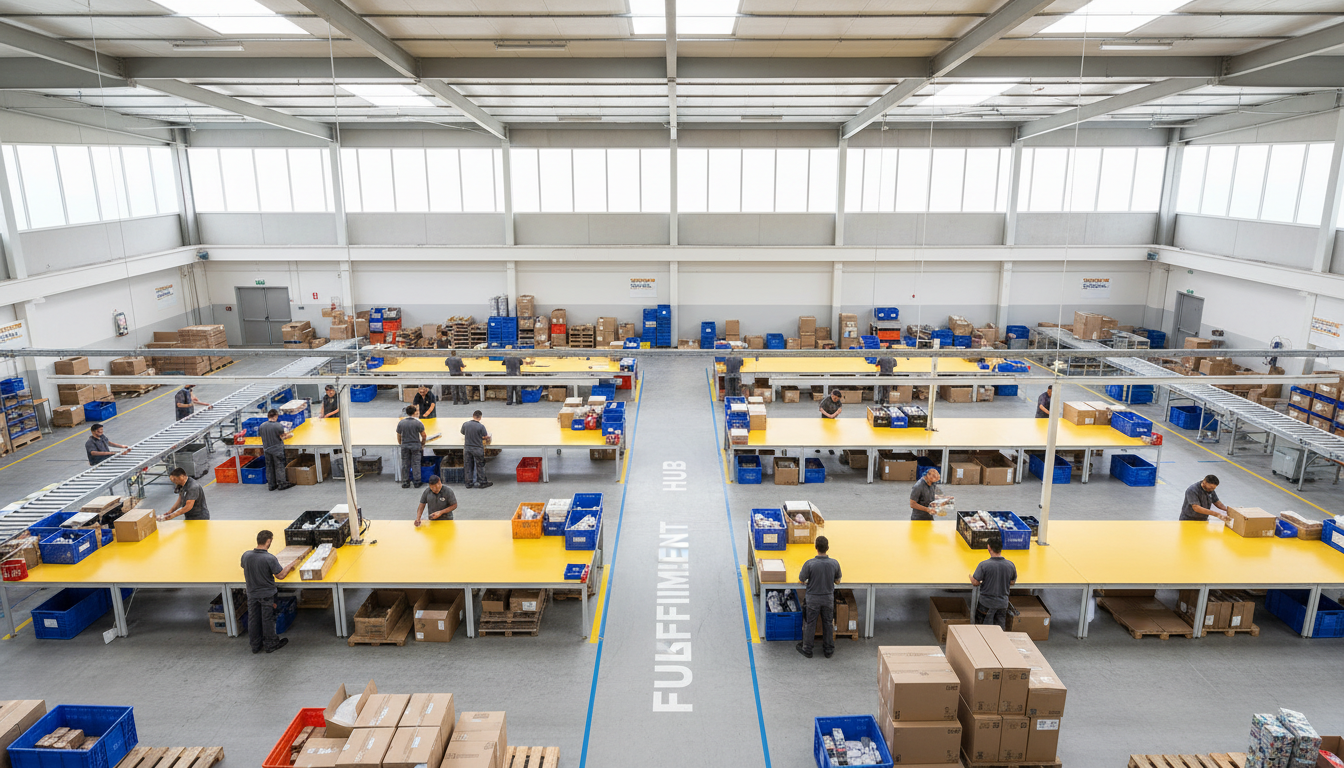
Comparing Warehouse Storage Solutions: Traditional vs. Minimal Industrial Designs
Introduction to Warehouse Storage Solutions
Warehouse storage solutions are a critical component of efficient supply chain management. Businesses often face the challenge of choosing between traditional and minimal industrial design approaches. Each has its own set of advantages and drawbacks that can significantly impact operations.
Understanding the differences between these two storage solutions can help businesses make informed decisions that align with their operational needs and budget constraints.
Traditional Warehouse Storage Solutions
Characteristics and Benefits
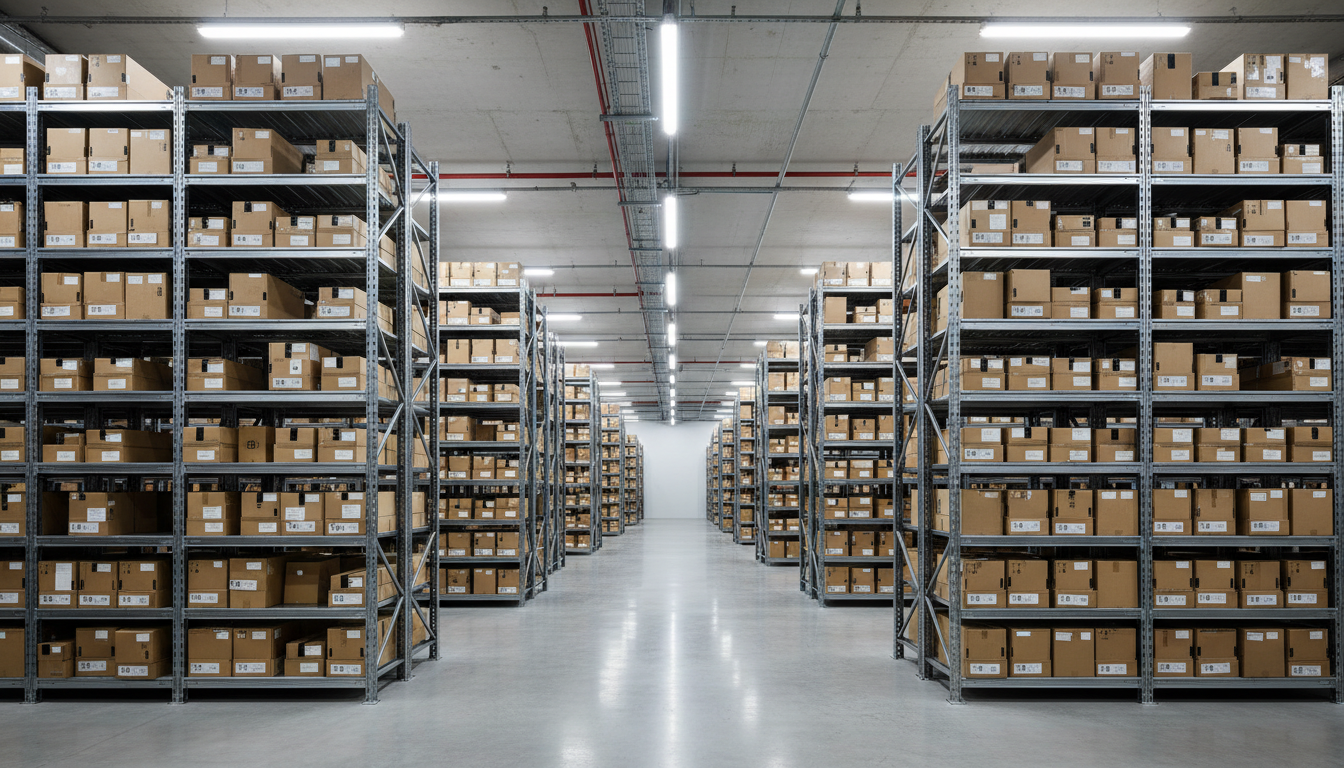
Traditional warehouse storage solutions typically involve extensive shelving and racking systems. These setups are designed to maximize space utilization by accommodating a large volume of goods. The use of robust materials ensures durability, making them ideal for long-term storage needs.
Additionally, traditional designs often include features like mezzanine floors, which add an extra level of storage without requiring additional square footage. This can be particularly beneficial for businesses with high inventory turnover.
Drawbacks of Traditional Designs
Despite their benefits, traditional storage solutions can be costly to install and maintain. The complexity of these systems often requires significant investment in both time and resources. Moreover, they may not be as flexible as other options, making it challenging to adapt to changing business needs.
Minimal Industrial Warehouse Designs
Features and Advantages
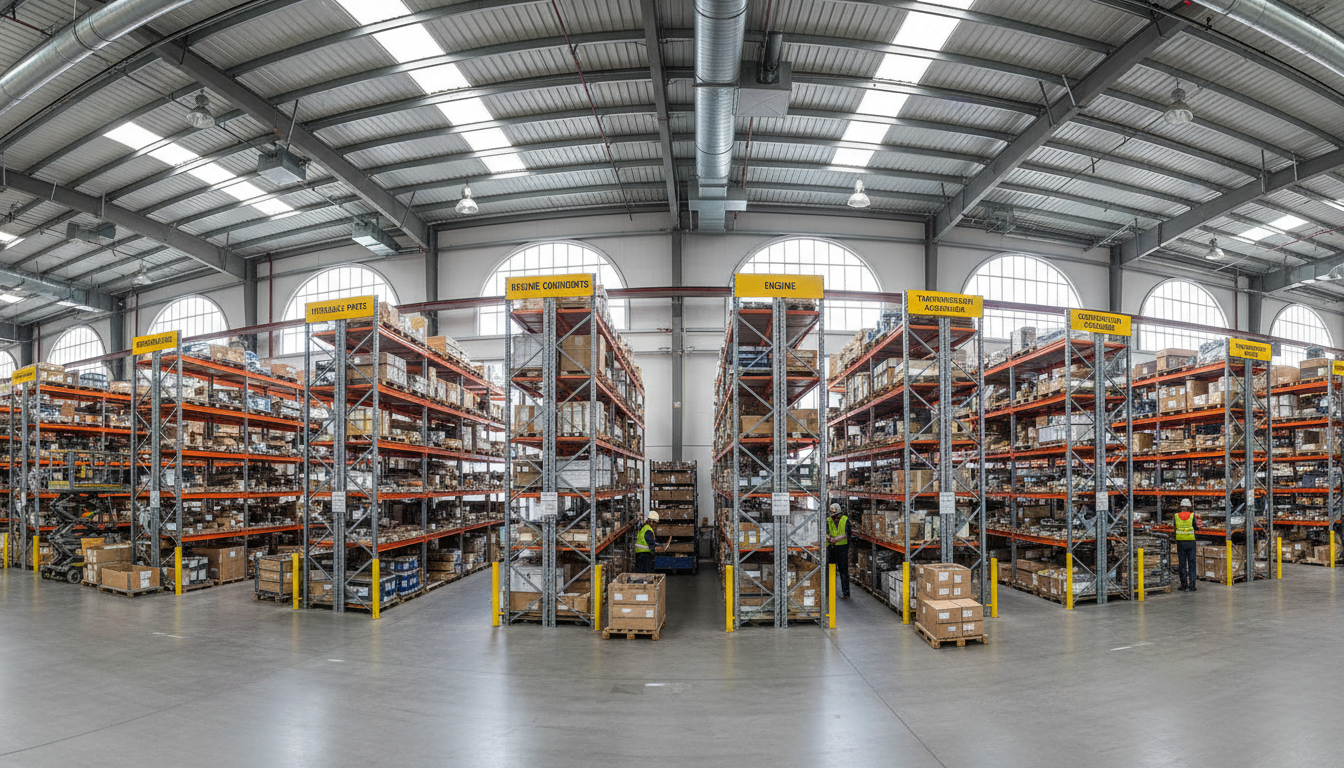
Minimal industrial designs focus on simplicity and efficiency. These solutions often involve open floor plans with modular storage units that can be easily reconfigured. This approach supports flexibility, allowing businesses to adapt quickly to changes in inventory needs.
By emphasizing a minimalistic approach, these designs often reduce clutter and improve accessibility. This can lead to increased productivity as employees can locate and retrieve items with greater ease.
Potential Limitations
While minimal industrial designs offer flexibility, they may not be suitable for all types of goods. Businesses dealing with large, heavy, or delicate items might find these solutions less accommodating. Additionally, the initial transition to a minimal design can involve significant restructuring efforts.
Choosing the Right Solution for Your Business
When deciding between traditional and minimal industrial warehouse storage solutions, businesses should consider several factors:
- Inventory Type: Evaluate whether the goods require specialized storage conditions.
- Budget: Determine the available budget for installation and maintenance.
- Space Availability: Assess the physical space to ensure compatibility with the chosen system.
- Flexibility Needs: Consider how often inventory needs change and the ease of adapting storage solutions.
Ultimately, the right choice will depend on the specific needs and goals of the business.
Conclusion
Both traditional and minimal industrial warehouse storage solutions have their unique benefits and challenges. By carefully evaluating the requirements of their operations, businesses can select a solution that enhances efficiency and supports their growth objectives.
Investing in the right storage solution not only improves operational efficiency but also contributes to a more organized and productive work environment.