Debunking Myths About Chinese Warehouses in the US
Understanding Chinese Warehouses in the US
Chinese warehouses in the US have been the subject of numerous misconceptions and myths. As globalization intensifies, these facilities play a critical role in supply chain efficiency. However, misunderstandings about their operations persist. This blog aims to debunk these myths and clarify the real impact of Chinese warehouses in the US market.
Myth 1: Low-Quality Goods
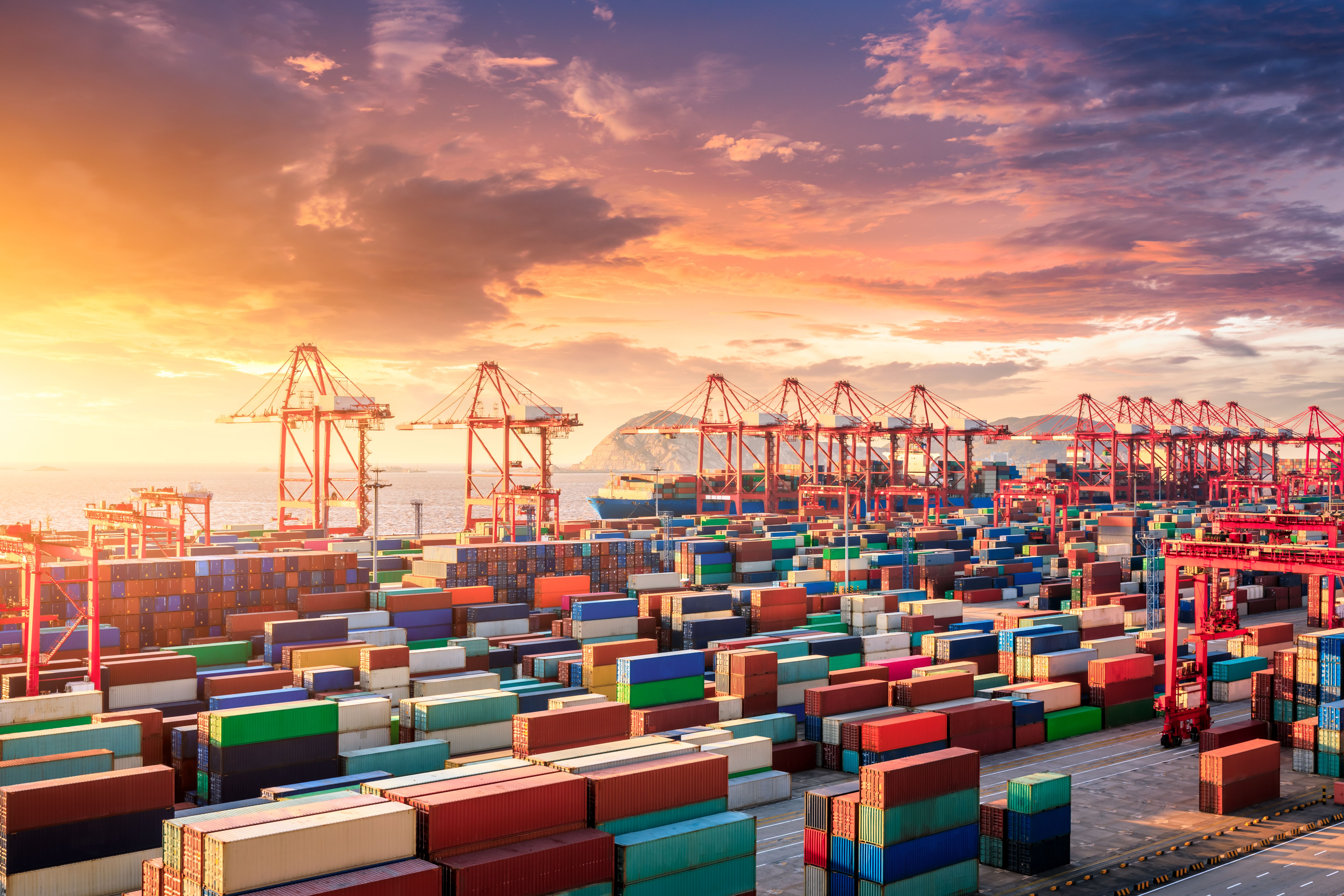
One common myth is that Chinese warehouses exclusively store low-quality products. In reality, these warehouses handle a wide range of products, from high-tech electronics to luxury goods. Many renowned international brands rely on Chinese logistics networks for efficient distribution.
The focus is often on quality assurance, with rigorous checks and standards in place. This ensures that products meet both US and international quality standards, debunking the stereotype of "cheap goods."

Myth 2: Lack of Regulation
Another misconception is that Chinese warehouses operate with little to no regulation. In truth, they must comply with numerous US regulations, including health, safety, and environmental standards. These facilities are subject to regular inspections to maintain compliance with federal and state laws.
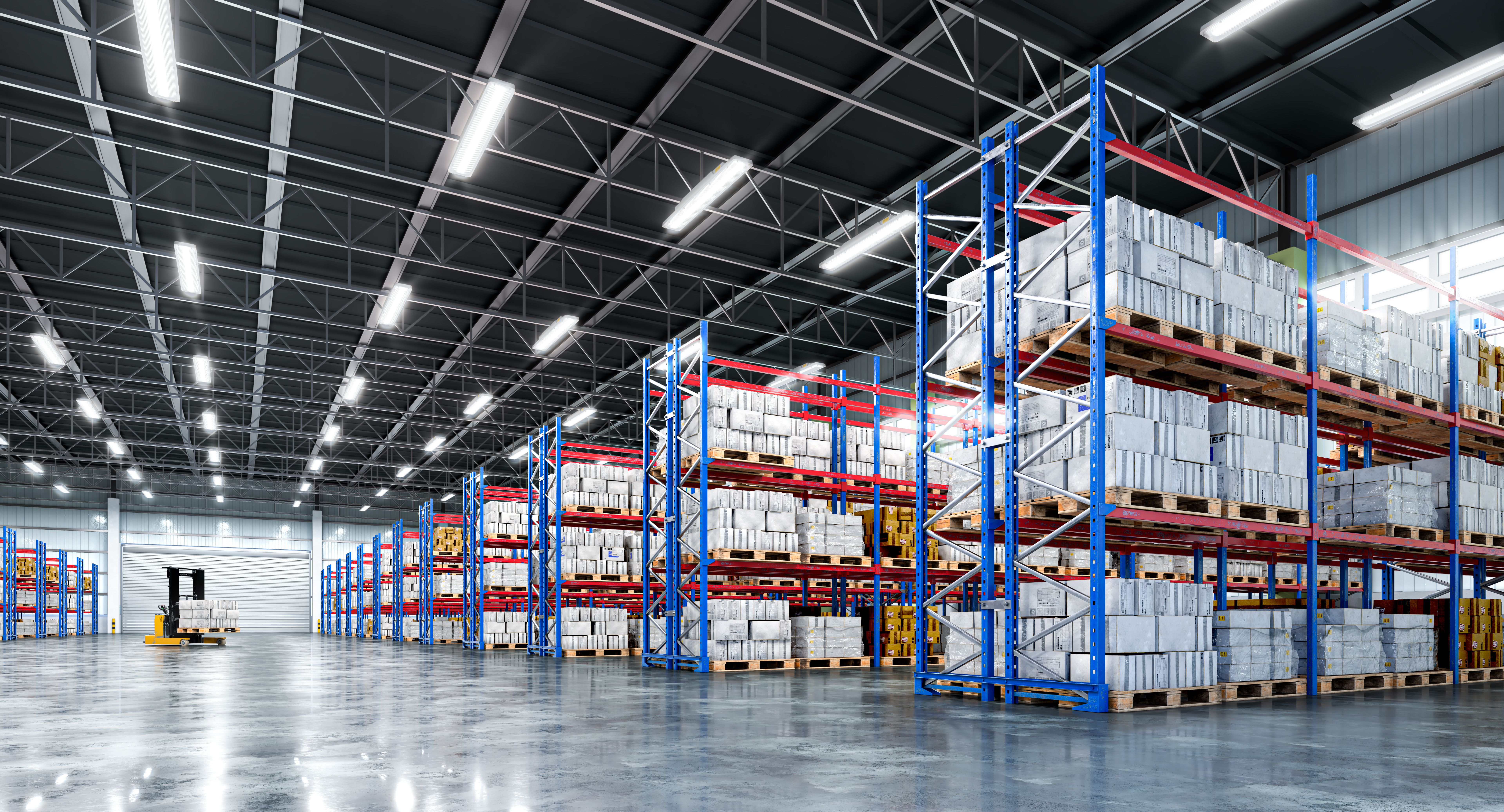
Furthermore, many Chinese warehouse operators invest in advanced technology and infrastructure to ensure their operations are both efficient and compliant with legal requirements.
Myth 3: Minimal Contribution to the Economy
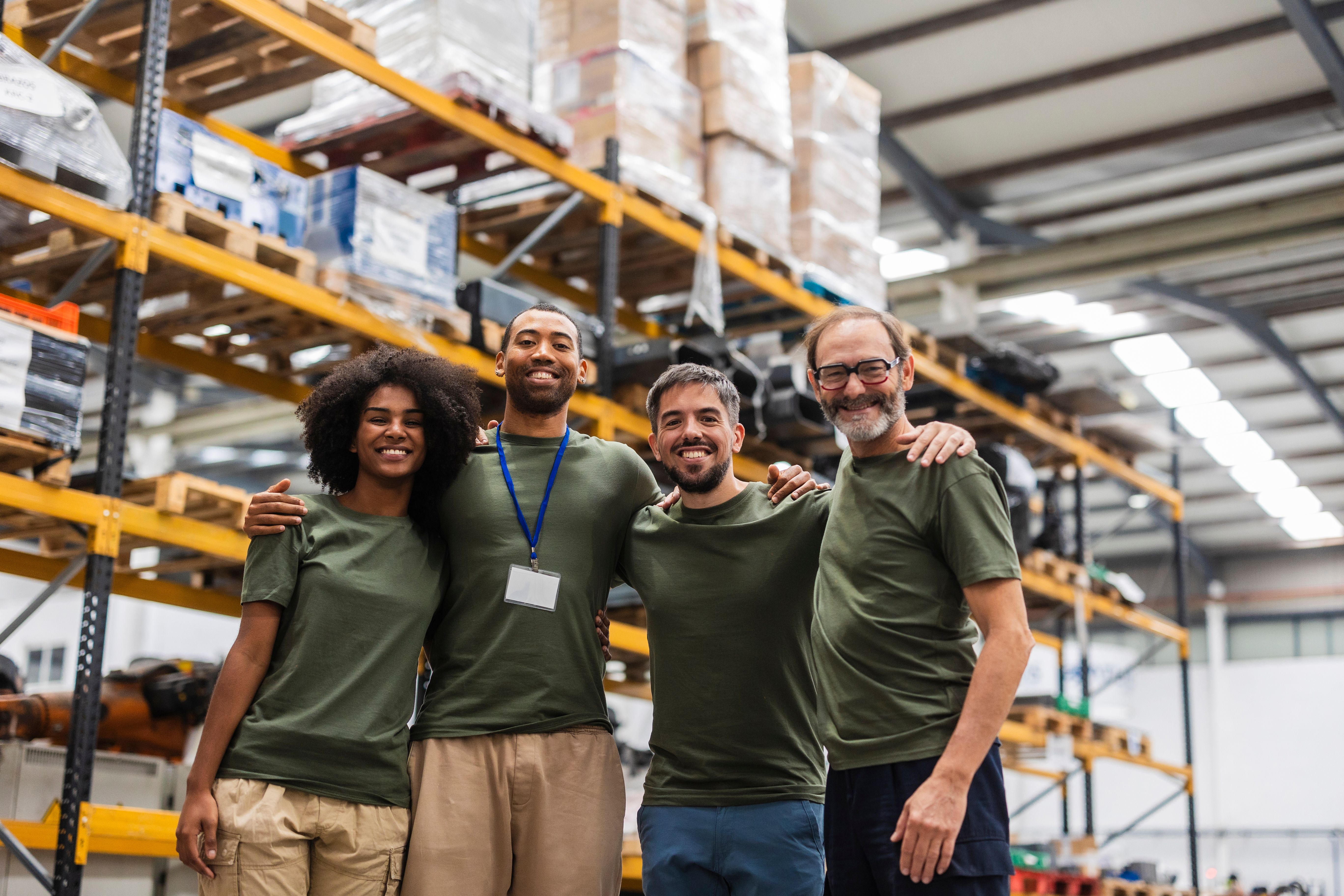
Some believe that Chinese warehouses do not contribute significantly to the US economy. This is far from the truth. These facilities create jobs, both directly and indirectly, and contribute to the local economy through taxes and infrastructure development.
Additionally, they facilitate trade by providing a crucial link in the supply chain, ensuring that products are available to consumers in a timely manner. This not only enhances consumer choice but also boosts economic activity.
Myth 4: Poor Working Conditions
There is a stereotype that Chinese warehouses have poor working conditions. However, many of these facilities prioritize employee welfare and adhere to strict labor laws. Workers benefit from safe, modern working environments and competitive wages.
Continuous improvements in automation and technology also help reduce manual labor, further enhancing working conditions and job satisfaction.
Conclusion
In conclusion, Chinese warehouses in the US are an integral part of the global supply chain, contributing positively to the economy while maintaining high standards. By debunking these myths, we can better appreciate the value and efficiency these facilities bring to the marketplace.