Eco-Friendly Practices in Industrial Warehousing: A Case Study
Introduction to Eco-Friendly Practices
In today's rapidly evolving industrial landscape, sustainability has become a critical focus. Many companies are now integrating eco-friendly practices into their operations, with industrial warehousing playing a key role in this transformation. This case study explores some of the innovative strategies adopted by a leading company to enhance sustainability in their warehousing operations.
By focusing on energy efficiency, waste reduction, and sustainable materials, the company has managed to significantly reduce its carbon footprint. These practices not only benefit the environment but also result in cost savings and improved operational efficiency.
Energy Efficiency Initiatives
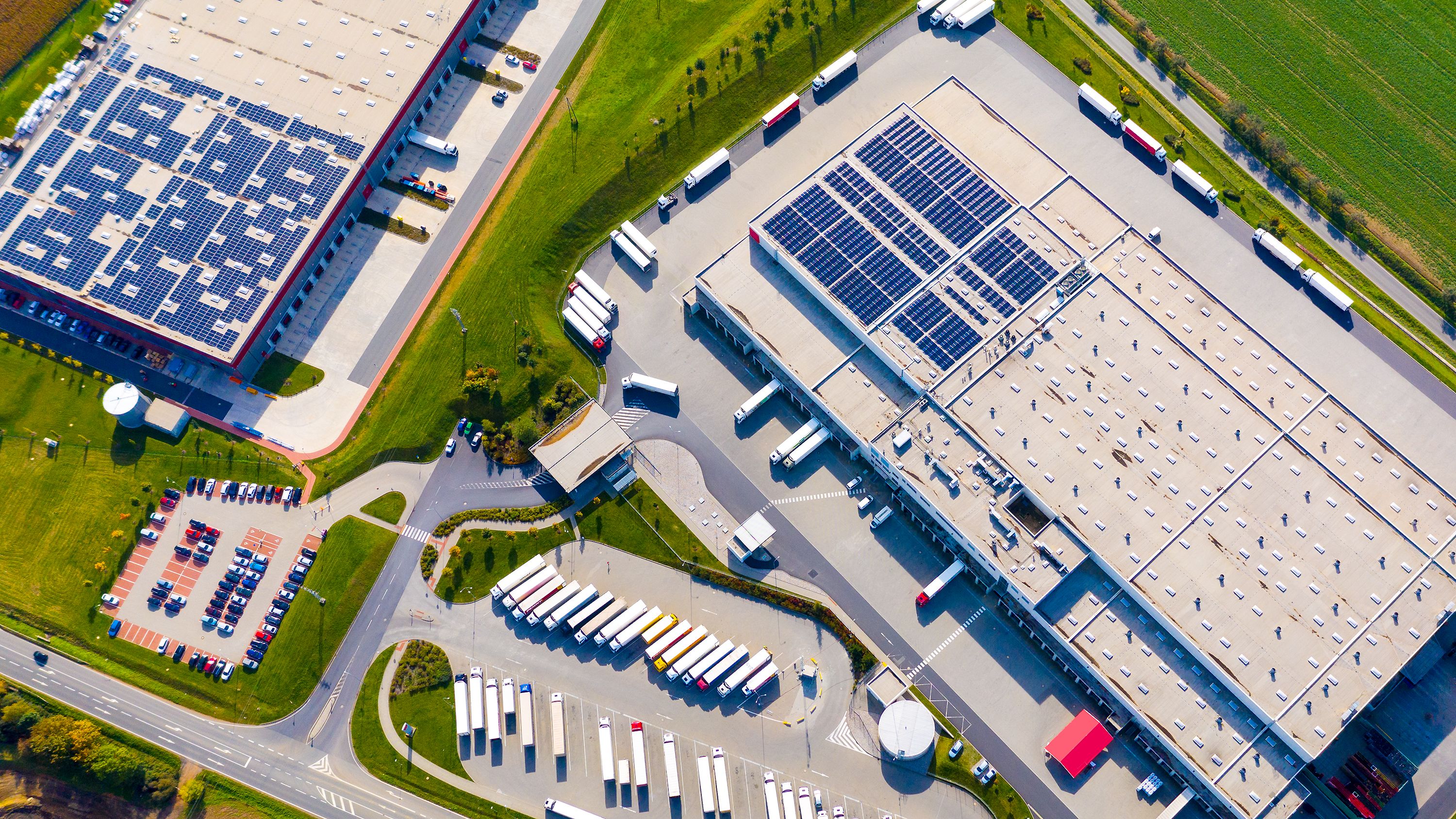
One of the primary areas of focus in the company's eco-friendly strategy is energy efficiency. By implementing advanced lighting systems, such as LED technology, the warehouse has reduced its energy consumption by up to 40%. Motion sensors have been installed to ensure that lights are only used when necessary, further contributing to energy savings.
Additionally, the company has invested in energy-efficient HVAC systems. These systems are designed to optimize temperature control, reducing the need for excessive heating or cooling. The integration of renewable energy sources, such as solar panels, also plays a crucial role in powering the warehouse sustainably.
Waste Reduction Strategies
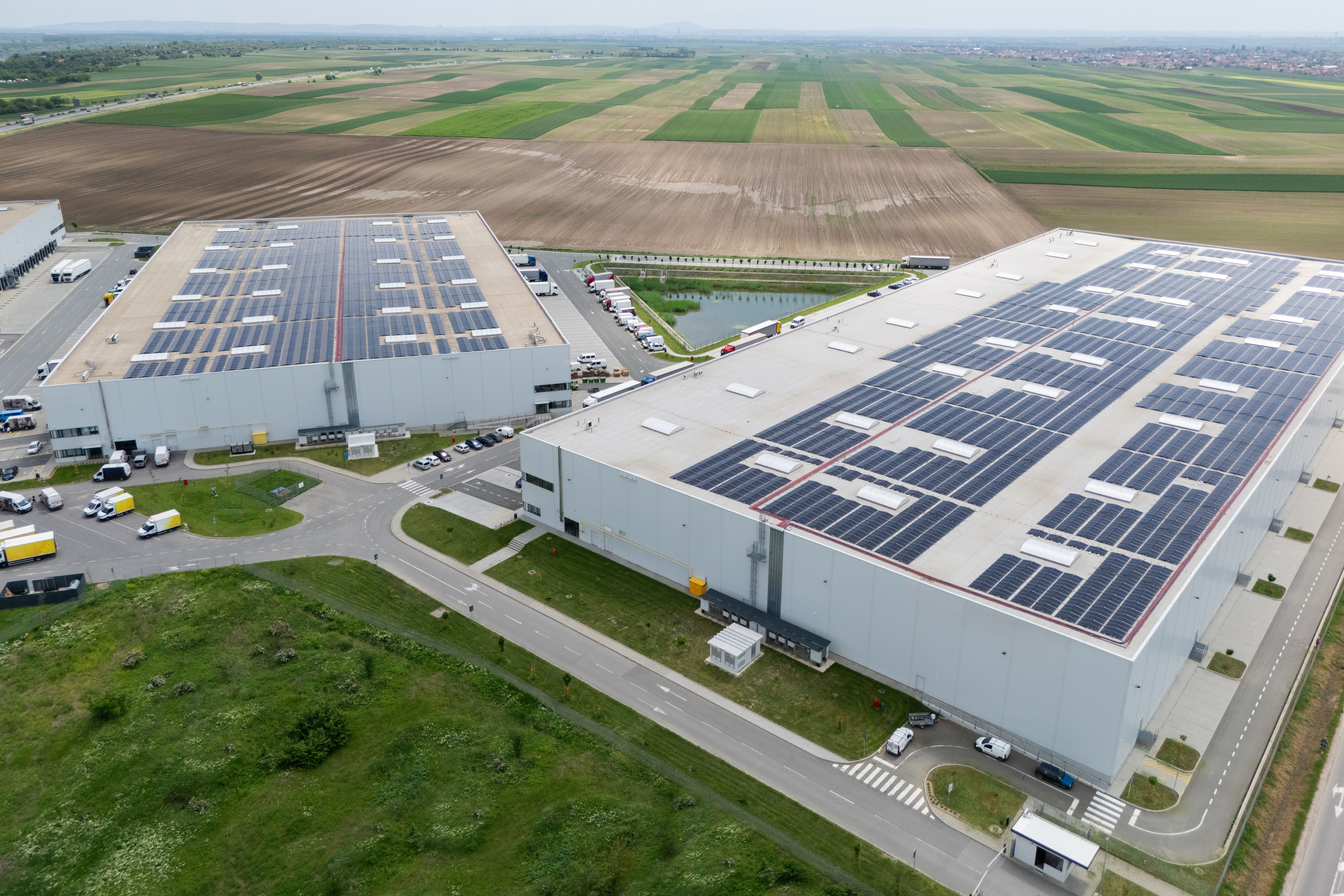
Waste management is another critical aspect of the company's eco-friendly practices. A comprehensive recycling program has been established to manage waste effectively. By separating materials such as cardboard, plastics, and metals, the warehouse ensures that these resources are recycled appropriately, minimizing the impact on landfills.
The company also promotes the use of biodegradable packaging materials. This shift not only reduces reliance on non-renewable resources but also decreases the amount of waste generated during operations. Employees are encouraged to participate in waste reduction initiatives, fostering a culture of sustainability.

Sustainable Materials and Design
An essential component of the company's strategy is the use of sustainable building materials. The warehouse structure incorporates recycled and locally sourced materials, reducing the environmental impact associated with transportation and manufacturing.
Innovative design features, such as green roofs and rainwater harvesting systems, contribute to the warehouse's sustainability. These elements not only enhance energy efficiency but also support water conservation efforts, providing a holistic approach to eco-friendly warehousing.
Employee Engagement and Training
Engaging employees in sustainability initiatives is crucial for long-term success. The company offers regular training sessions to educate staff on best practices for energy conservation and waste management. By fostering a sense of responsibility and ownership, employees are more likely to contribute positively to the company's eco-friendly goals.
Incentive programs are also in place to reward employees who actively participate in sustainability efforts. This approach not only motivates staff but also reinforces the company's commitment to environmental stewardship.

Conclusion
Through the implementation of these eco-friendly practices, the company has set a benchmark for sustainability in industrial warehousing. By prioritizing energy efficiency, waste reduction, and sustainable materials, they have achieved significant environmental and economic benefits.
As more companies recognize the importance of sustainability, these practices are likely to become standard in the industry. This case study serves as an inspiring example of how businesses can contribute to a greener future while enhancing their operational efficiency.