Eco-Friendly Warehouse Designs: Creating a Sustainable Storage Solution
Understanding Eco-Friendly Warehouse Design
As businesses strive to reduce their carbon footprint, eco-friendly warehouse designs are becoming increasingly popular. These sustainable solutions not only help the environment but also enhance operational efficiency and reduce costs. By integrating green technologies and sustainable practices, warehouses can significantly lower their environmental impact.
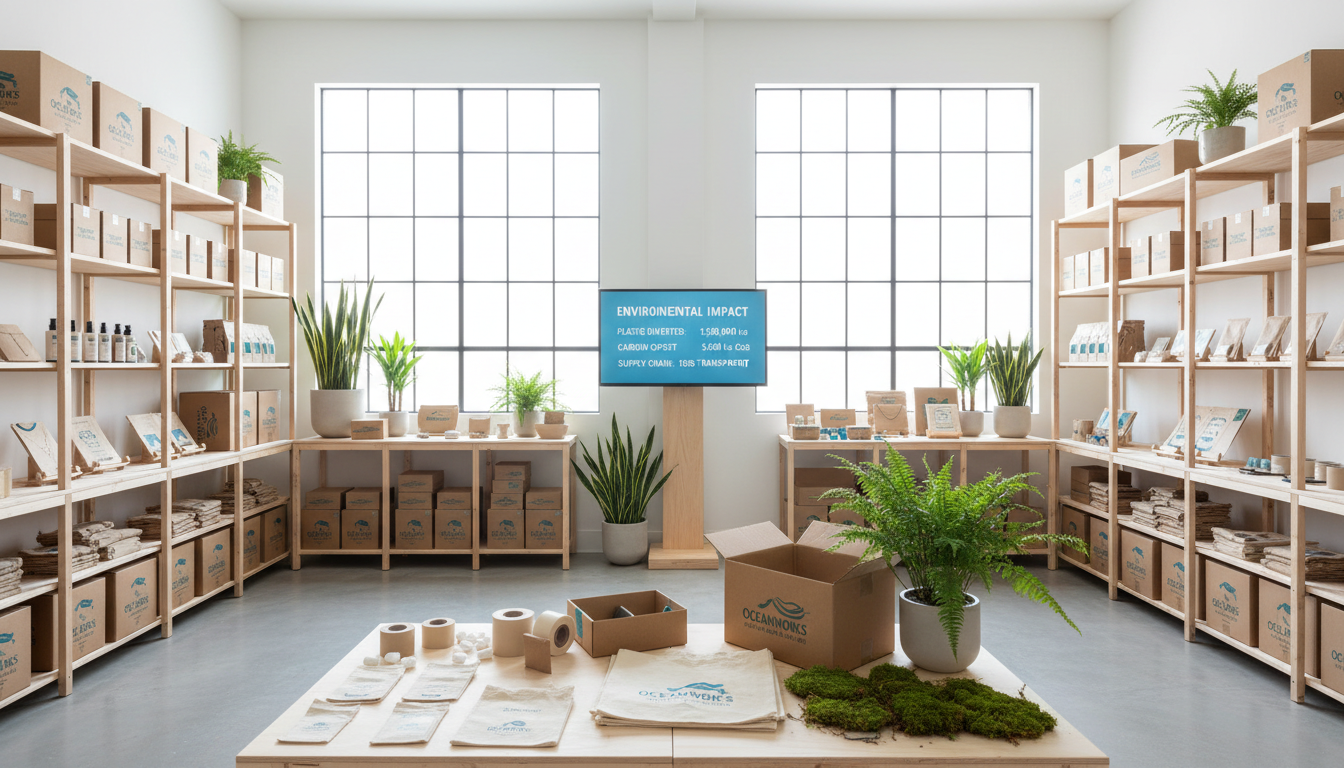
Incorporating Energy-Efficient Lighting
One of the simplest ways to make a warehouse eco-friendly is by incorporating energy-efficient lighting. LEDs, for example, use significantly less energy compared to traditional lighting options and have a longer lifespan. This change can lead to substantial savings on electricity bills and a reduction in carbon emissions.
Furthermore, installing motion sensors and automated lighting controls ensures that lights are only used when necessary, further optimizing energy consumption. This not only contributes to sustainability but also enhances the safety and functionality of the warehouse space.
Optimizing Warehouse Insulation
Proper insulation is crucial for maintaining temperature control within a warehouse. By using sustainable materials such as recycled insulation or green roof systems, warehouses can effectively manage their internal climate without excessive energy usage. This approach reduces heating and cooling costs, making it a cost-effective and environmentally friendly option.
Additionally, minimizing air leaks through high-quality door and window systems ensures that energy is not wasted, contributing to a more sustainable operation overall.
Implementing Renewable Energy Sources
Another impactful strategy is the implementation of renewable energy sources like solar panels. Solar energy can power various operations within the warehouse, from lighting to machinery, significantly reducing reliance on fossil fuels. This transition not only supports sustainability goals but can also lead to long-term financial benefits through reduced energy costs.
- Assess the warehouse's energy needs.
- Determine the appropriate size and type of solar installation.
- Ensure regular maintenance for optimal performance.
Utilizing Sustainable Materials
When constructing or renovating a warehouse, using sustainable materials is a critical consideration. Options such as recycled steel, bamboo, and sustainable concrete can significantly reduce the environmental impact of construction. These materials are not only eco-friendly but often more durable, providing long-lasting benefits.

Choosing sustainably sourced materials also supports ethical practices within the supply chain, contributing to a broader commitment to environmental responsibility.
Efficient Space Utilization
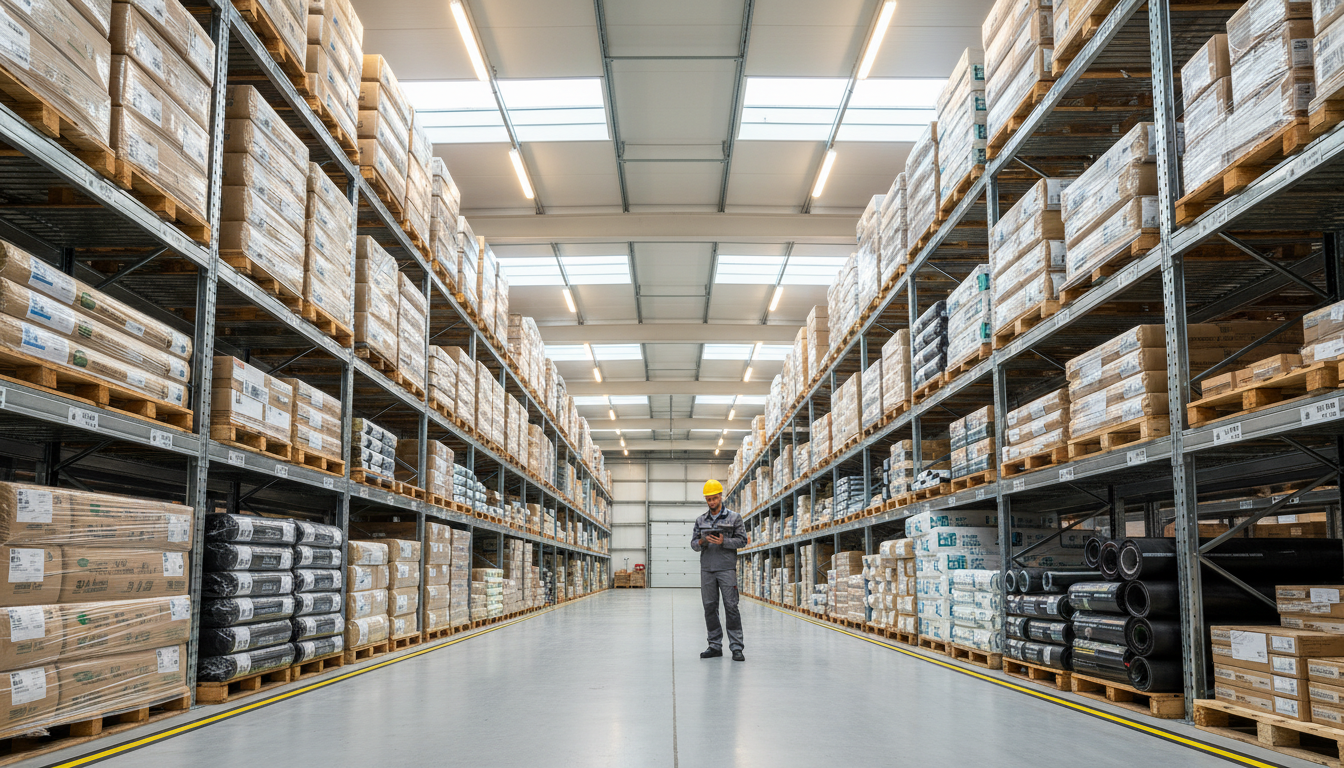
Optimizing the use of space within a warehouse can lead to increased efficiency and sustainability. Incorporating vertical storage solutions and automated systems can maximize available space, reducing the need for additional construction and minimizing resource consumption.
- Implement automated storage and retrieval systems.
- Use modular shelving for flexibility.
- Design layouts that minimize travel time and energy use.
By focusing on efficient space utilization, warehouses can improve their operational workflows while adhering to eco-friendly practices.