Expert Insights: Improving Warehouse Inventory Management
Understanding the Importance of Inventory Management
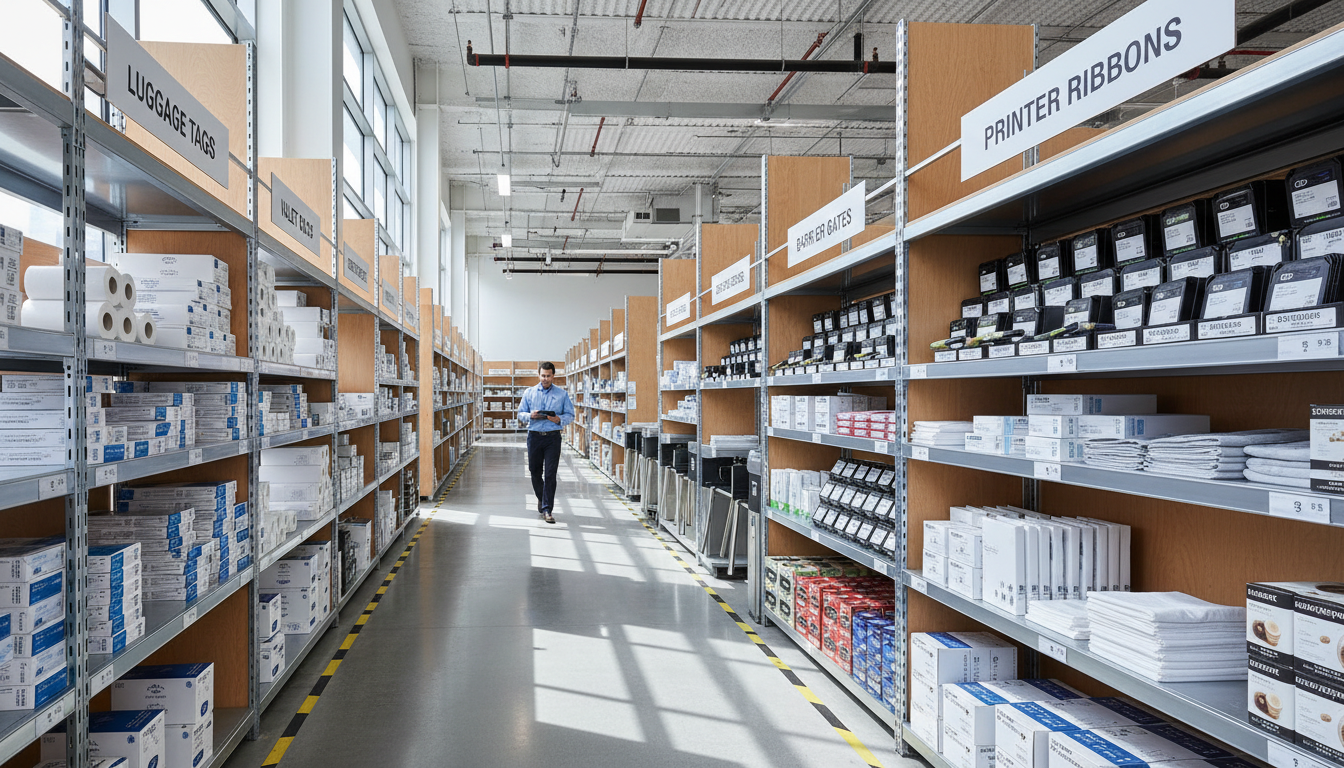
Effective warehouse inventory management is crucial for the success of any business that deals with physical goods. It ensures that you have the right products in the right quantity, avoiding overstock and stockouts. Proper inventory management enhances efficiency, reduces costs, and improves customer satisfaction.
Businesses often struggle with balancing supply and demand. Implementing the right systems and technologies can streamline operations and lead to significant improvements.
Leveraging Technology for Inventory Optimization
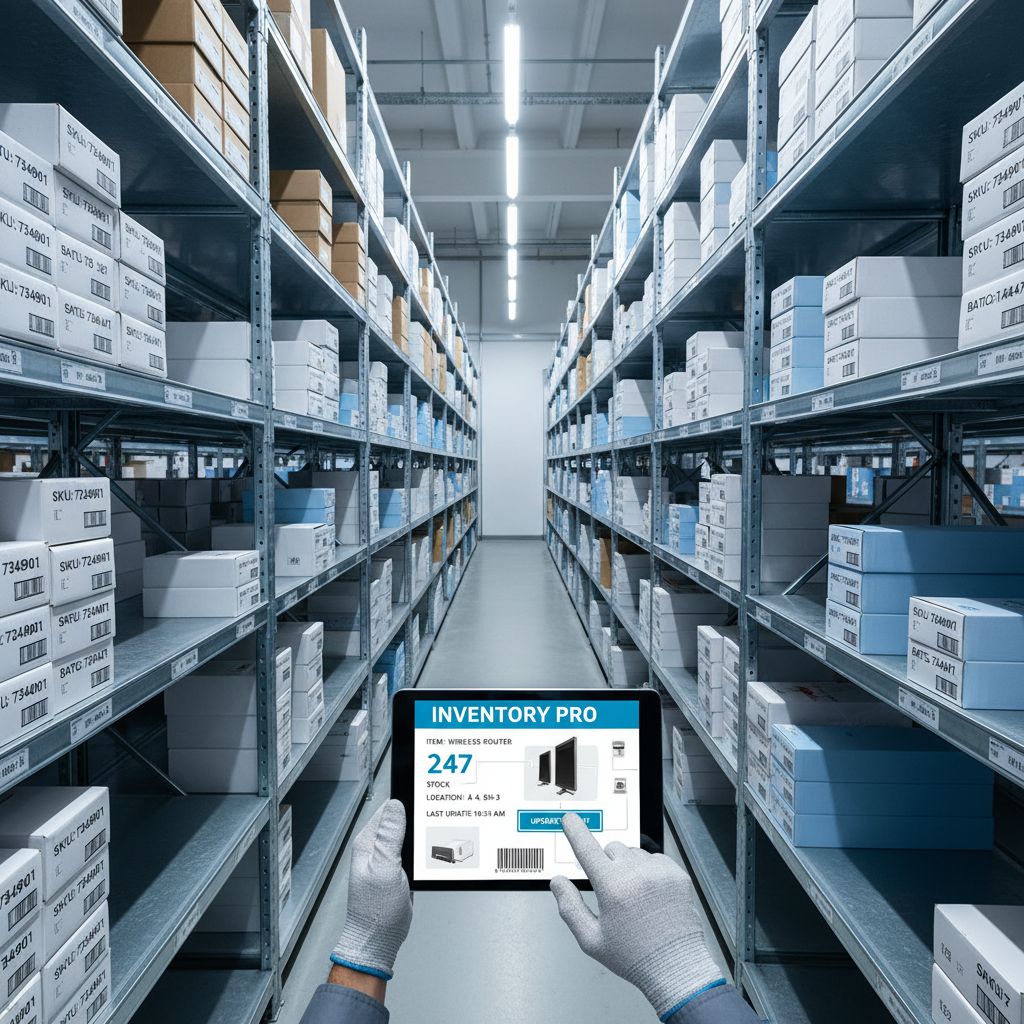
Incorporating technology into your inventory management process can greatly enhance accuracy and efficiency. Systems such as Warehouse Management Systems (WMS) and Enterprise Resource Planning (ERP) software provide real-time data and analytics, enabling informed decision-making.
These systems automate various processes, reducing human error and freeing up valuable time for employees to focus on other tasks. Automated inventory tracking is particularly beneficial, providing insights into stock levels, order histories, and supplier performance.
Implementing Best Practices for Inventory Control
Adopting best practices can significantly improve your inventory management. Start with accurate demand forecasting to ensure you stock the right amount of inventory. Regular audits and cycle counting can help maintain inventory accuracy.
- Use ABC analysis to prioritize inventory management efforts based on item value.
- Implement a just-in-time (JIT) approach to minimize excess inventory.
- Ensure regular training for staff to stay updated with the latest practices and technologies.

Enhancing Communication and Collaboration
Effective communication within the supply chain is vital for smooth operations. Collaborate closely with suppliers and partners to understand lead times, negotiate better terms, and improve inventory flow.
Utilizing integrated systems can also improve communication, providing transparency and reducing delays. Encourage collaboration between departments to ensure everyone is aligned with the inventory management goals.
Measuring Success and Continuously Improving
To ensure ongoing success, regularly measure key performance indicators (KPIs) such as inventory turnover rates, carrying costs, and order accuracy. Analyzing these metrics allows businesses to identify areas for improvement.
Continuous improvement should be a part of your inventory management strategy. Regularly review processes, gather feedback, and stay updated with industry trends to maintain a competitive edge.
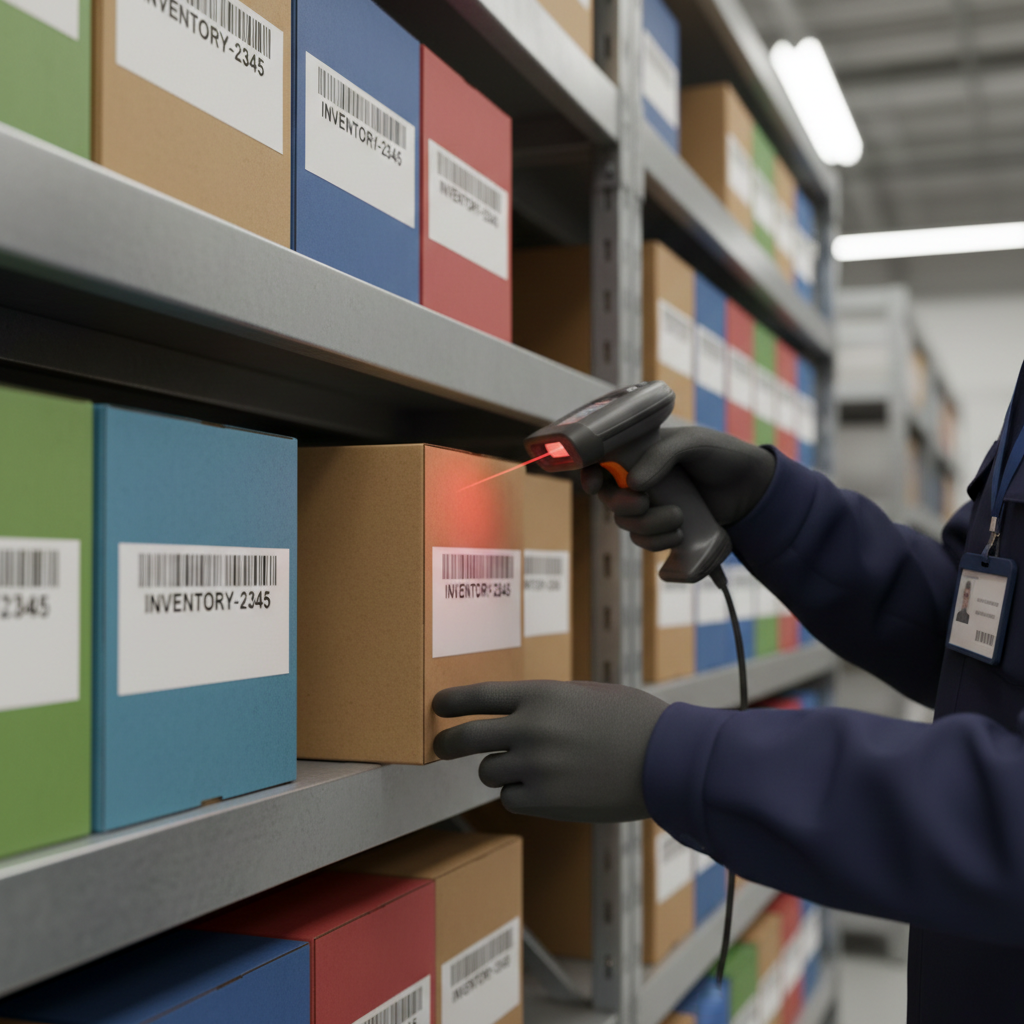
In conclusion, improving warehouse inventory management requires a combination of technology, best practices, and effective communication. By focusing on these areas, businesses can enhance efficiency, reduce costs, and ultimately, improve customer satisfaction.