Exploring Alternative Industrial Space Providers: A Guide for Business Owners
In today's fast-paced business environment, the demand for flexible and innovative industrial spaces is on the rise. Whether you're a startup or a well-established company, exploring alternative industrial space providers can offer significant advantages. In this guide, we delve into the various options available and how they can benefit your business.
Understanding Your Needs
Before diving into the myriad of options, it's crucial to assess your specific requirements. Consider the size of your operation, the nature of your industry, and any special facilities you might need. By clearly defining your needs, you'll be better equipped to choose the right provider.
Some businesses may require extensive storage space, whereas others might need advanced manufacturing facilities. Understanding these nuances will guide you in selecting a provider that aligns with your operational goals.
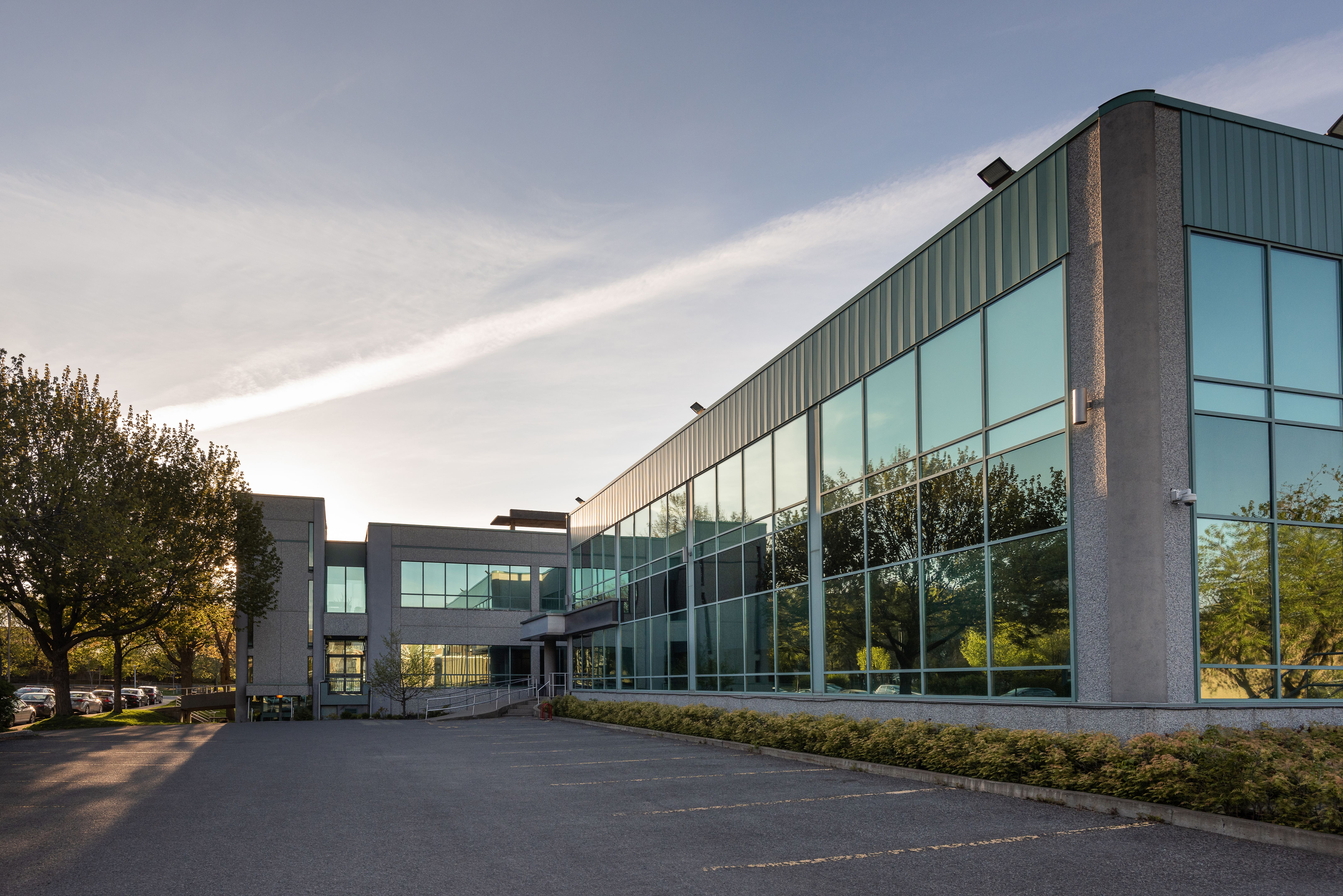
Types of Alternative Industrial Spaces
Co-Working Industrial Spaces
Co-working spaces are no longer limited to office environments. Many industrial co-working spaces offer shared facilities like loading docks and heavy machinery, making them an excellent choice for startups or small businesses. These spaces provide the flexibility to scale operations without committing to long-term leases.
Flex Spaces
Flex spaces are designed to be adaptable, offering a combination of office and industrial space. This versatility is ideal for businesses that require a mix of administrative and production areas. Flex spaces can be customized to suit your changing needs, making them a popular choice among growing companies.

Benefits of Alternative Industrial Space Providers
One of the primary benefits of alternative industrial space providers is cost-effectiveness. Traditional leases often require long-term commitments and substantial upfront costs. In contrast, alternative providers frequently offer more flexible terms, allowing businesses to save money and reduce risk.
Additionally, these spaces often include shared amenities and services. From security to maintenance, having these aspects managed by the provider can significantly reduce the burden on your business, allowing you to focus on what you do best.
Key Considerations When Choosing a Provider
Location and Accessibility
Location is a critical factor in selecting an industrial space. Consider the proximity to major transportation routes, suppliers, and your customer base. Easy accessibility can improve logistics and reduce transportation costs.
Technology and Infrastructure
Ensure that the provider offers the technological infrastructure necessary for your operations. This includes reliable internet connections, advanced machinery, and any industry-specific technology you might require.

Making the Right Choice
Choosing the right industrial space provider involves careful consideration of your current and future needs. By weighing the benefits of alternative spaces, such as flexibility, cost savings, and shared amenities, you can make an informed decision that supports your business growth.
As you explore these options, remember to conduct thorough research and visit potential sites. Speak with current tenants to gain insights into their experiences. With the right approach, you can find an industrial space that not only meets your needs but also enhances your operational efficiency.