Exploring Minimalist Warehouse Design: Creating Functionality and Style
Understanding Minimalist Warehouse Design
In recent years, minimalist design has transcended residential and commercial spaces to enter the realm of warehouse design. By focusing on simplicity and functionality, minimalist warehouse design aims to optimize space, enhance productivity, and create a sleek visual environment. This approach aligns with modern business demands for efficiency and style, offering a clutter-free space that facilitates streamlined operations.
The Core Principles of Minimalism
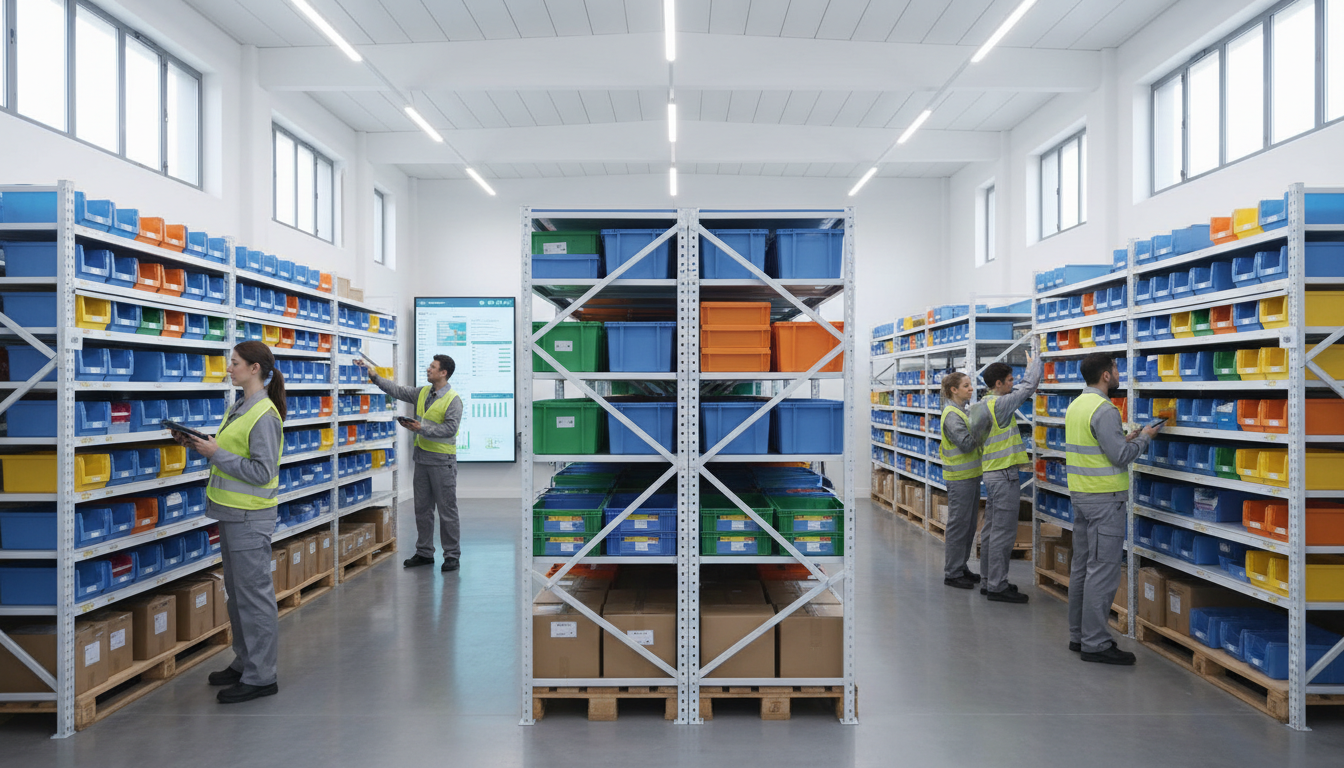
Minimalist design revolves around a few core principles: simplicity, functionality, and an emphasis on the essentials. In warehouse design, this translates to utilizing open spaces, reducing unnecessary elements, and focusing on clean lines and neutral colors. The goal is to create an environment that is both efficient and aesthetically pleasing.
One key aspect is the use of high-quality materials that contribute to durability and visual appeal. By selecting materials with dual benefits, businesses can achieve a harmonious balance between functionality and style.
Maximizing Space and Efficiency
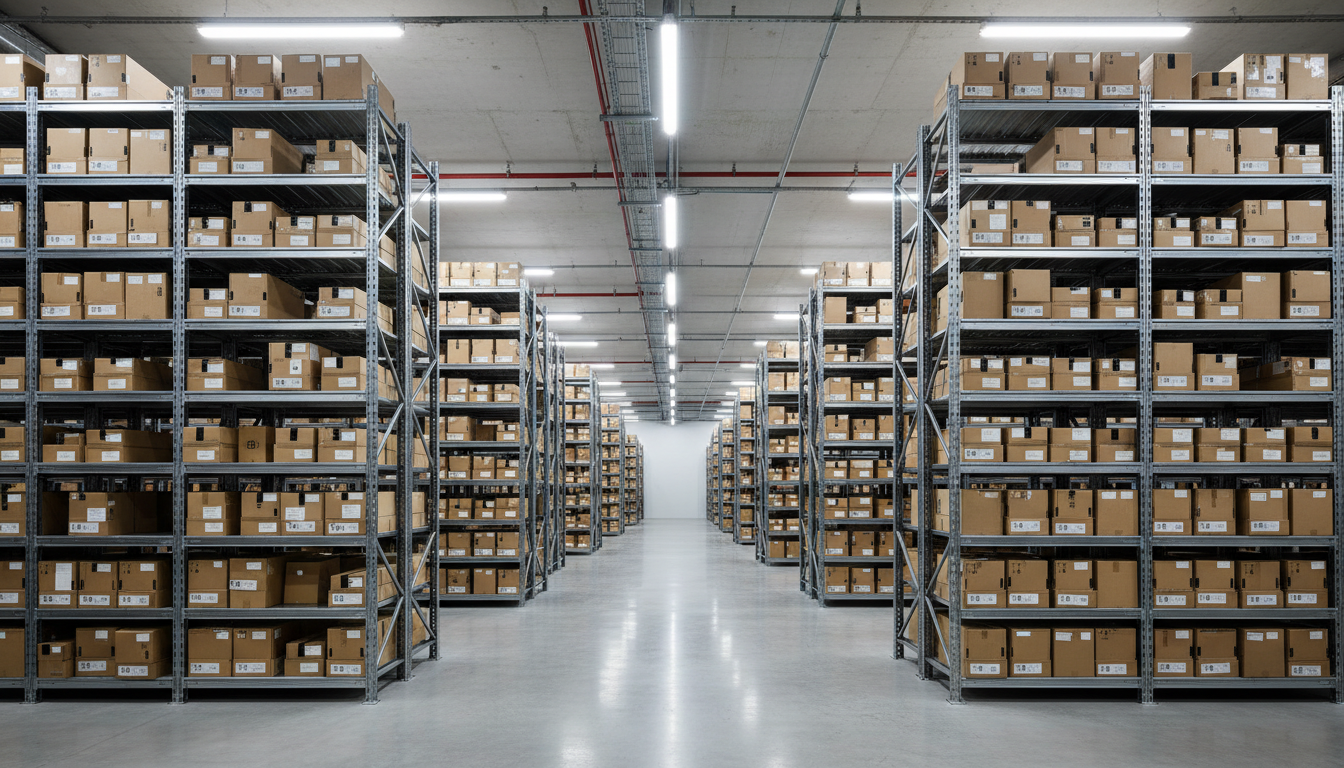
Space optimization is crucial in warehouse operations. Minimalist design helps in maximizing available space by removing clutter and implementing smart storage solutions. Using vertical space, modular shelving, and flexible layouts are common strategies. These elements ensure that every square foot is utilized effectively, thereby enhancing operational efficiency.
Smart Storage Solutions
Adopting smart storage solutions is essential in minimalist warehouse design. Consider implementing the following:
- Adjustable shelving units that can be modified according to changing needs.
- Compact and mobile racking systems to optimize floor space.
- Integrated inventory management systems for efficient stock control.
Incorporating Technology
Technology plays a pivotal role in supporting minimalist design by automating processes and reducing manual interventions. Automated systems like conveyor belts, robotic pickers, and real-time tracking software streamline operations, allowing for a more efficient workflow. Integrating technology not only boosts productivity but also aligns with the minimalist ethos of doing more with less.
The Aesthetic Appeal
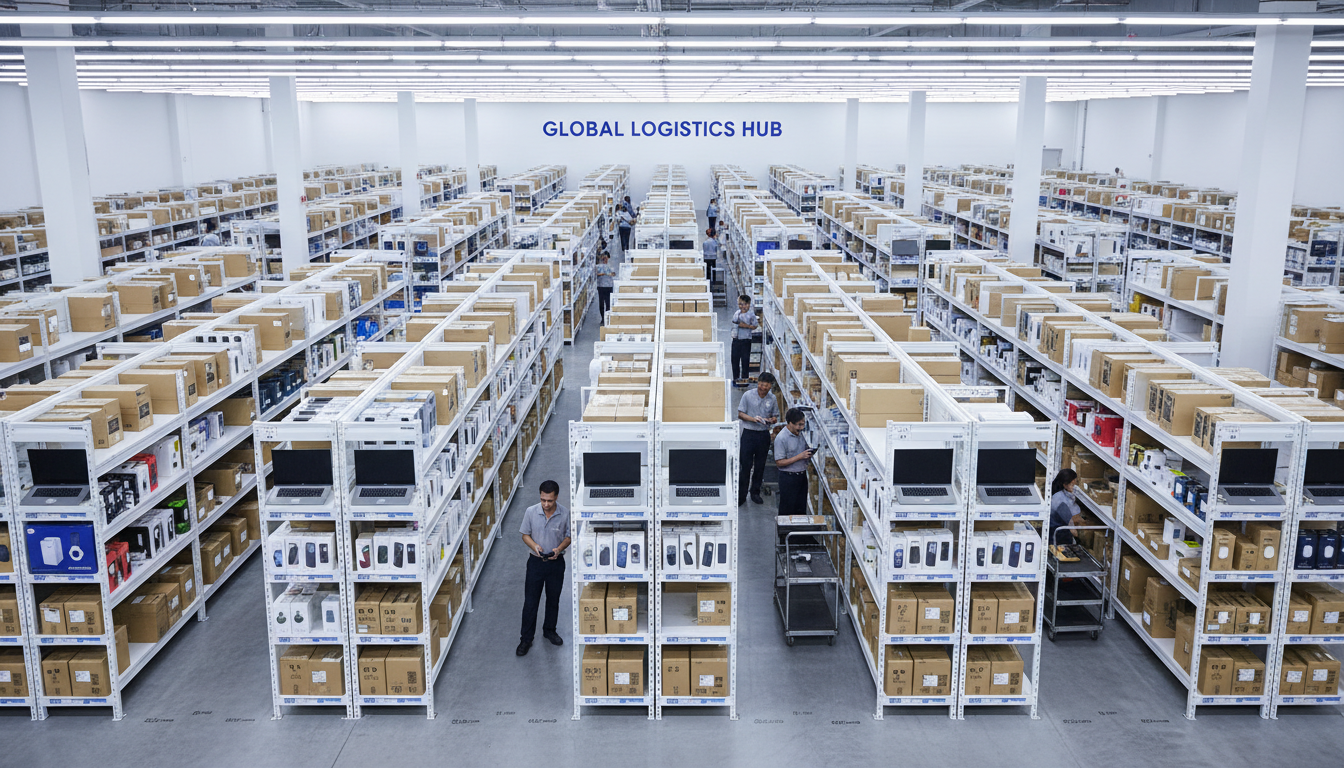
Beyond functionality, minimalist design offers a visually appealing environment. The use of neutral palettes, natural lighting, and open spaces contribute to a calming atmosphere. This aesthetic appeal can positively impact employee morale and create a welcoming space for clients and partners visiting the facility.
Conclusion: The Future of Warehouse Design
As businesses continue to evolve, the demand for minimalist warehouse design is expected to grow. By focusing on simplicity, efficiency, and style, companies can create spaces that are not only functional but also innovative and forward-thinking. Embracing this design philosophy can lead to significant improvements in workflow, productivity, and employee satisfaction, paving the way for a more efficient future.