Exploring Modern Industrial Warehouses: Design and Functionality
Introduction to Modern Industrial Warehouses
Modern industrial warehouses have evolved significantly over the years, adapting to the demands of a rapidly changing market. With the rise of e-commerce and global supply chains, these facilities have become crucial in ensuring the efficient distribution of goods. Their design and functionality are tailored to meet the needs of today's businesses, ensuring optimal performance and sustainability.
Design Elements of Modern Warehouses
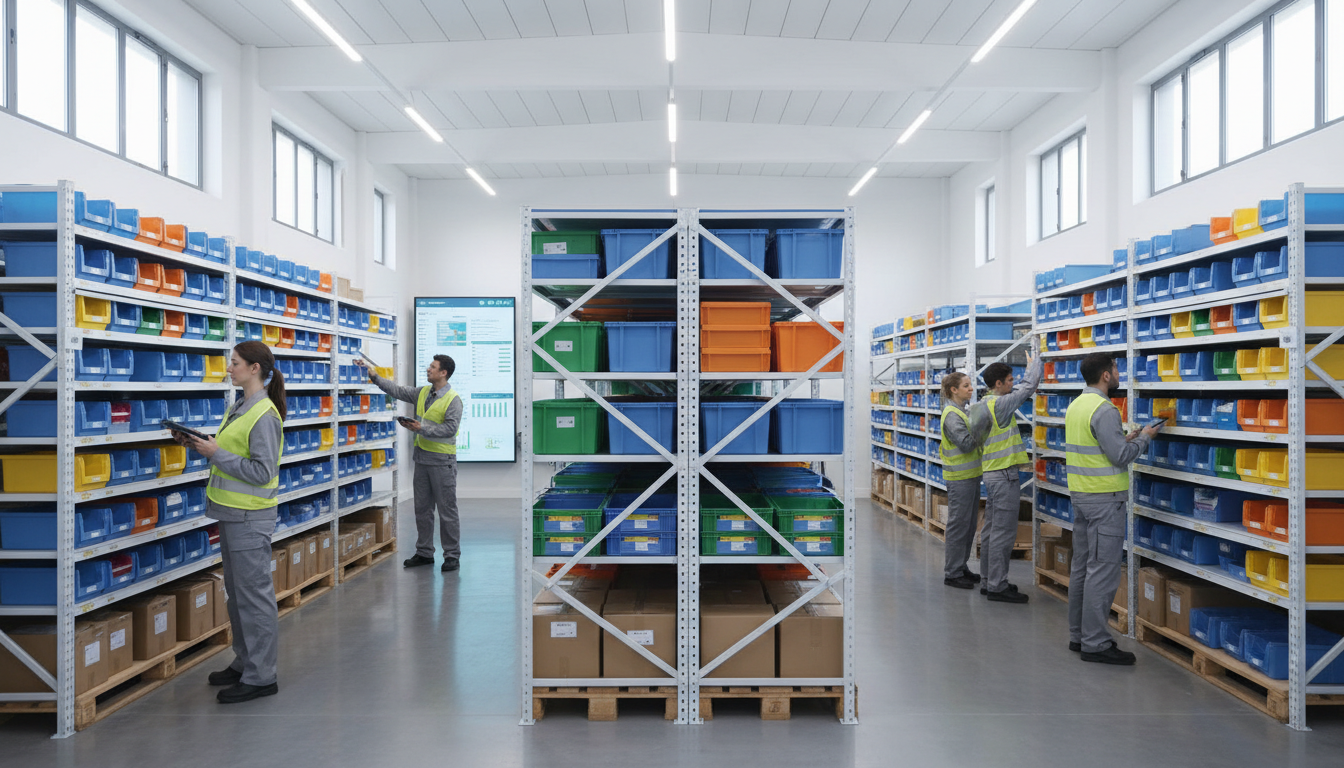
The design of a modern warehouse focuses on maximizing space while ensuring ease of access and movement. High ceilings and open floor plans are common, allowing for the installation of advanced storage systems. These features not only optimize space but also enhance the efficiency of inventory management.
Another critical design element is the incorporation of technology. Automated systems, such as conveyor belts and robotic pickers, streamline operations, reducing the need for manual labor. This technological integration is essential for maintaining a competitive edge in today's fast-paced market.
Sustainability in Design
Sustainability is a key consideration in warehouse design. Many facilities are now built with eco-friendly materials and incorporate energy-efficient systems. Solar panels, LED lighting, and efficient HVAC systems are just a few examples of how warehouses are reducing their carbon footprint.
Functionality and Operations
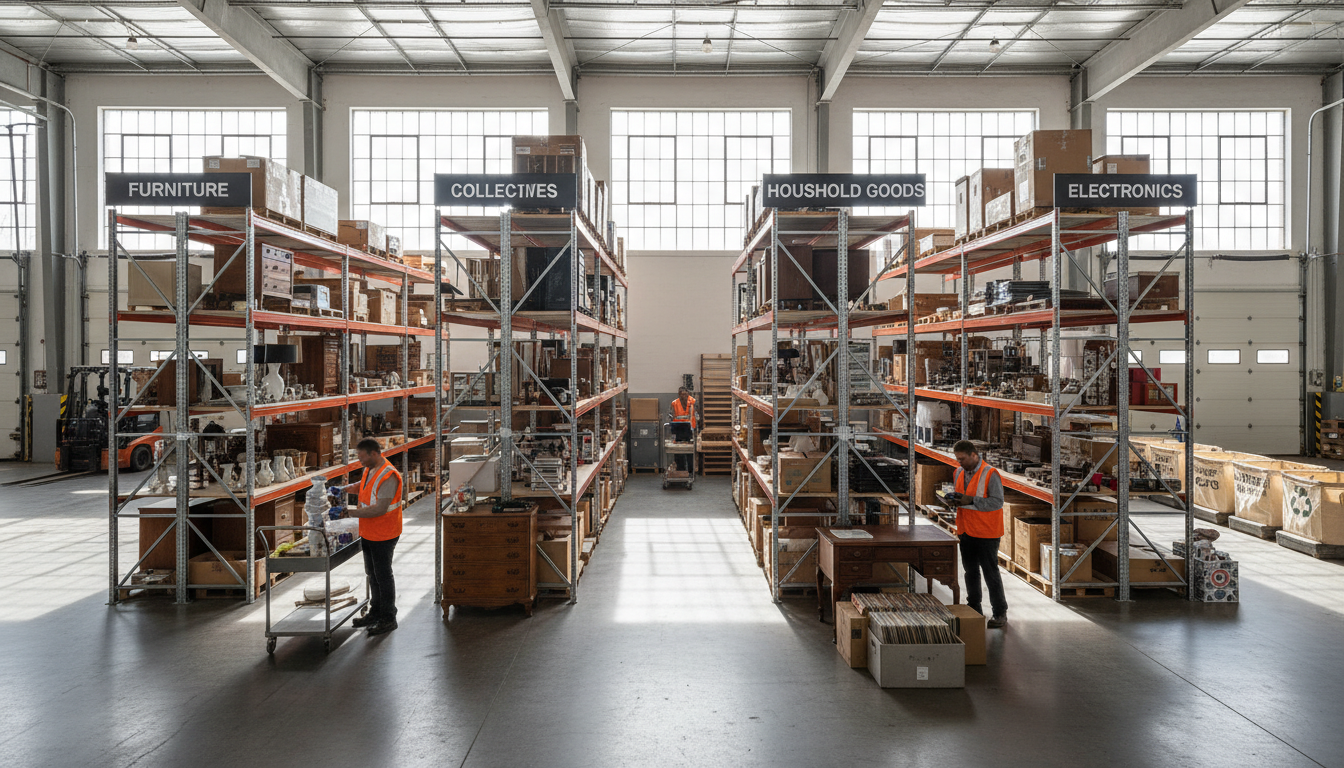
The functionality of a warehouse is determined by its ability to handle and process goods efficiently. This includes the layout of storage areas, loading docks, and transportation routes. A well-designed warehouse minimizes the time and effort required to move goods in and out of the facility.
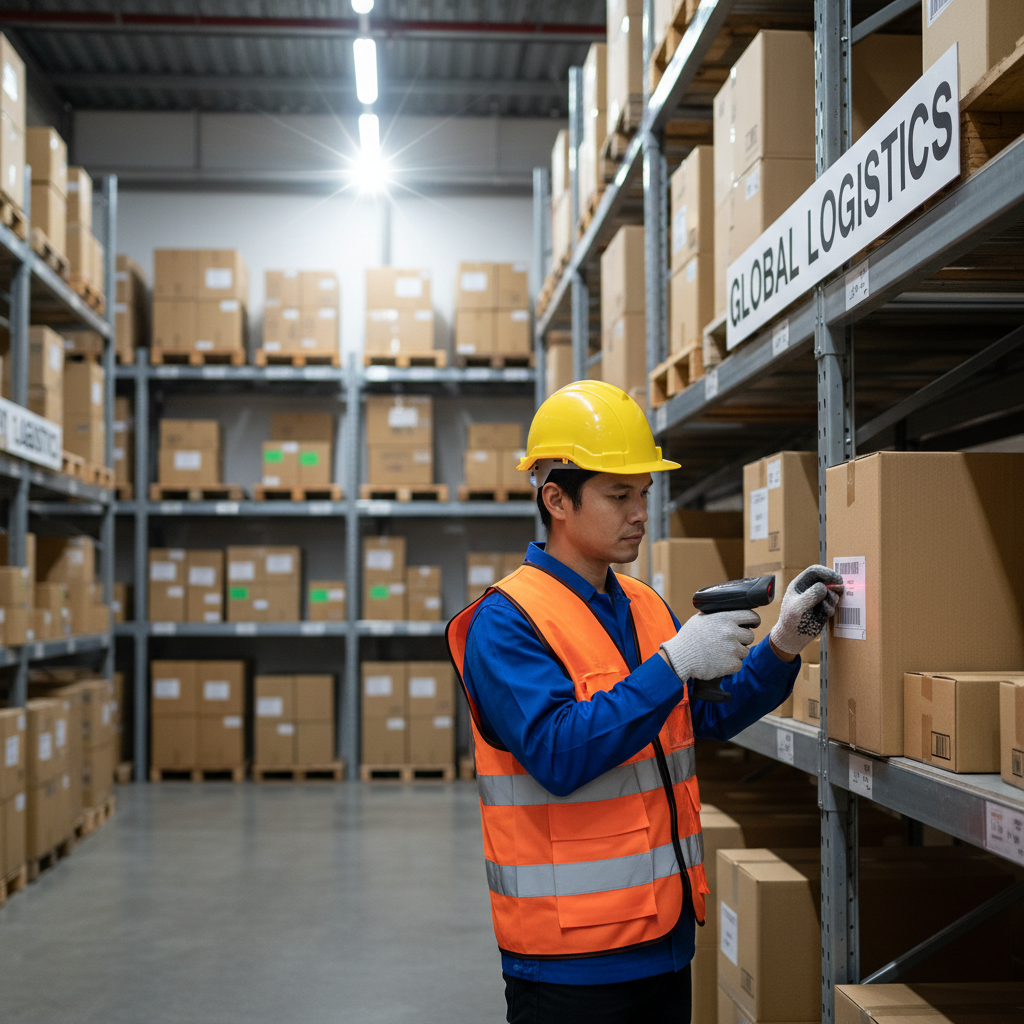
Additionally, warehouse management systems (WMS) play a crucial role in overseeing operations. These systems provide real-time data on inventory levels, tracking shipments, and managing orders. By leveraging such technology, businesses can improve accuracy and reduce errors.
Safety and Security
Safety is a paramount concern in industrial warehouses. Strict regulations govern the storage and handling of goods to prevent accidents. Safety features, such as reinforced shelving, fire suppression systems, and clearly marked pathways, are essential components of warehouse design.
The Future of Warehouse Design
As technology continues to advance, the future of warehouse design looks promising. Innovations such as drones for inventory checks and AI-powered analytics for predictive maintenance are set to revolutionize the industry. These advancements will further enhance the efficiency and functionality of warehouses, meeting the ever-growing demands of the global market.
Moreover, the integration of smart technologies and IoT devices will enable more precise control over warehouse environments. This will lead to improved energy management, reduced costs, and a more sustainable operation.
Conclusion
Modern industrial warehouses are a testament to the blend of innovative design and cutting-edge technology. By focusing on efficiency, sustainability, and safety, these facilities play a pivotal role in the logistics and supply chain industry. As they continue to evolve, warehouses will remain at the forefront of supporting global commerce.