Exploring Modern Industrial Warehouses: Key Features and Benefits
Introduction to Modern Industrial Warehouses
In recent years, industrial warehouses have evolved significantly. These modern structures are not only essential for storage but also play a crucial role in supply chain management and logistics. With advancements in technology and design, today's warehouses are more efficient, sustainable, and adaptable than ever before.
Advanced Technology Integration
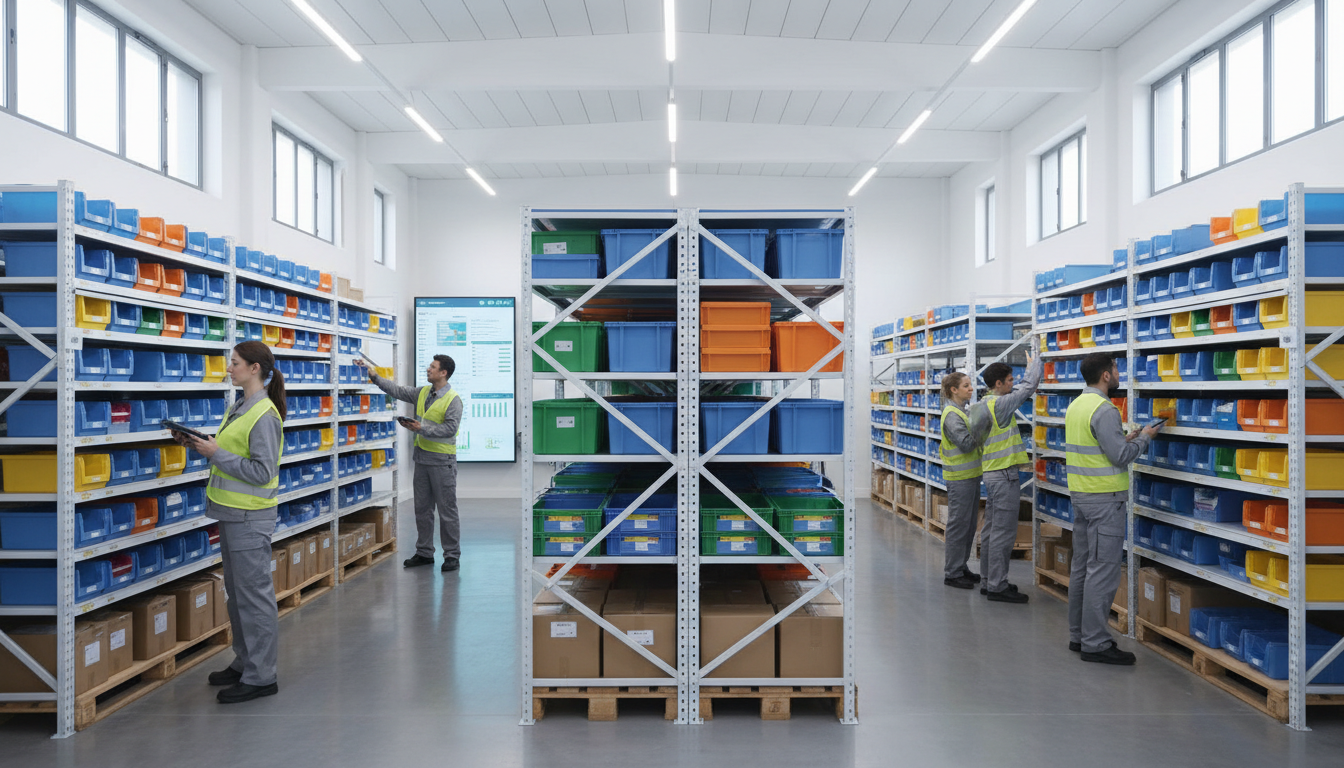
One of the key features of modern industrial warehouses is the integration of advanced technologies. From automated systems and robotics to IoT devices and AI-driven analytics, technology enhances operational efficiency. These innovations help in reducing costs, minimizing errors, and improving overall productivity.
Automated guided vehicles (AGVs) and drones are increasingly used for inventory management and order picking. Such technologies streamline processes and enhance safety by reducing human intervention in potentially hazardous tasks.
Sustainability and Energy Efficiency
Sustainability has become a priority in warehouse design. Modern warehouses are built with eco-friendly materials and equipped with energy-efficient systems. Solar panels, LED lighting, and smart HVAC systems are common features that help reduce carbon footprints and operational costs.
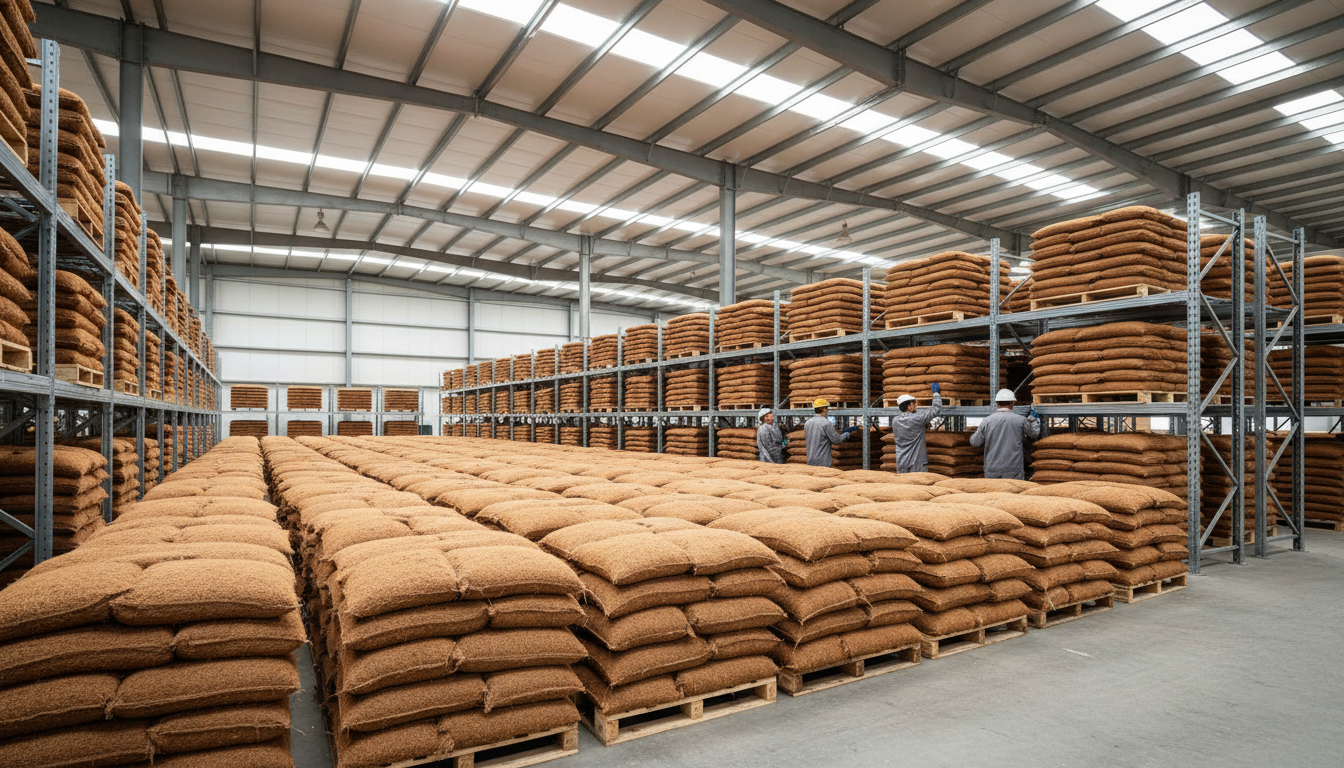
Additionally, warehouses are adopting sustainable practices like recycling programs and rainwater harvesting. These initiatives not only benefit the environment but also improve the corporate image and attract eco-conscious clients.
Flexible and Scalable Design
Flexibility is another hallmark of modern warehouses. With the dynamic nature of business, warehouses are designed to be scalable. This means they can easily adapt to changes in inventory levels and market demands.
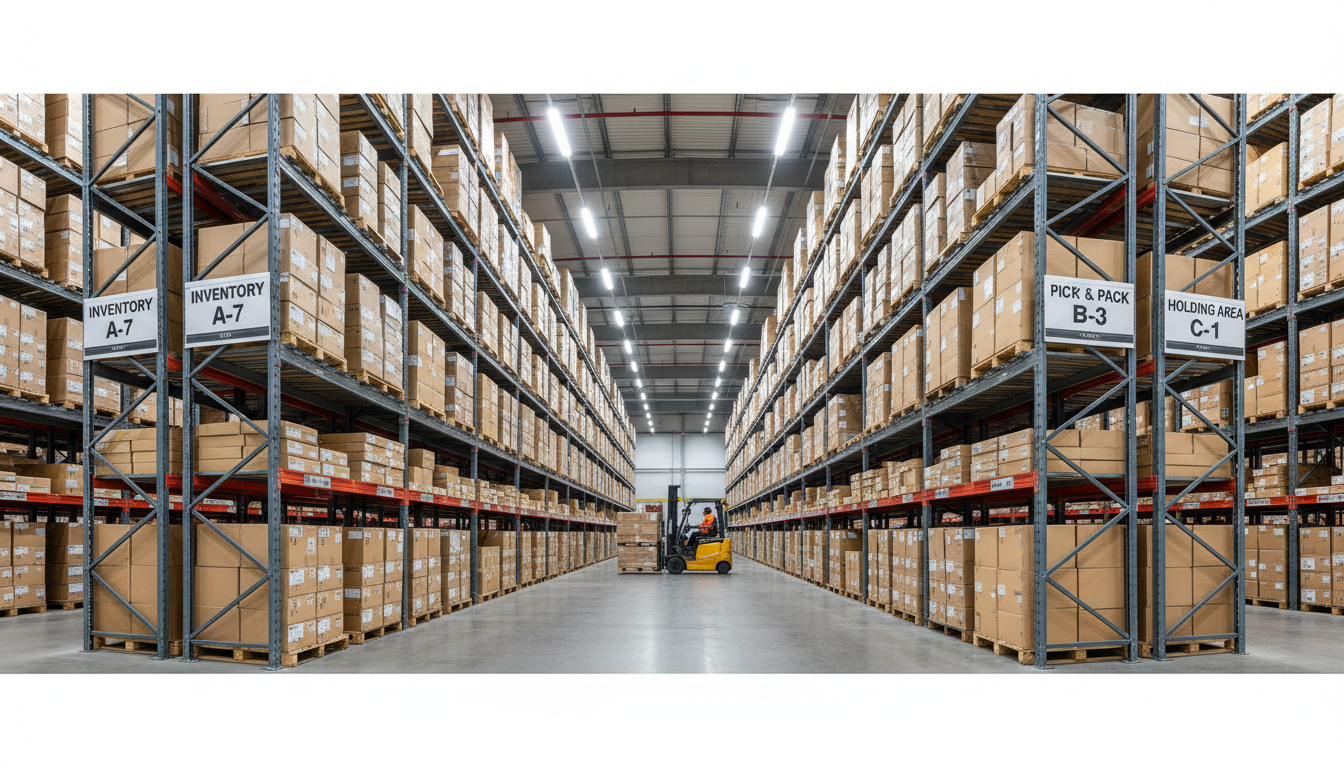
Modular racking systems and movable walls are examples of flexible design elements. These features allow businesses to reconfigure spaces quickly, ensuring maximum utilization of the available area.
Enhanced Safety and Security
Safety and security are paramount in warehouse operations. Modern warehouses are equipped with advanced security systems, including surveillance cameras, access control, and alarm systems. These measures protect assets and ensure a secure working environment for employees.
Furthermore, safety protocols are enhanced with the use of ergonomic equipment and comprehensive training programs. This focus on safety not only prevents accidents but also boosts employee morale and productivity.
Conclusion: The Future of Warehousing
Modern industrial warehouses are a testament to the fusion of technology, design, and sustainability. By embracing these advancements, businesses can achieve greater efficiency and adaptability in their operations. As the industry continues to evolve, warehouses will undoubtedly play a pivotal role in shaping the future of logistics and supply chain management.
In summary, the key features of modern warehouses—such as technology integration, sustainability, flexible design, and enhanced safety—offer numerous benefits. By leveraging these innovations, businesses can stay competitive in an ever-changing market landscape.