Exploring the Benefits of Minimalist Design in Modern Warehouses
Introduction to Minimalist Design in Warehouses
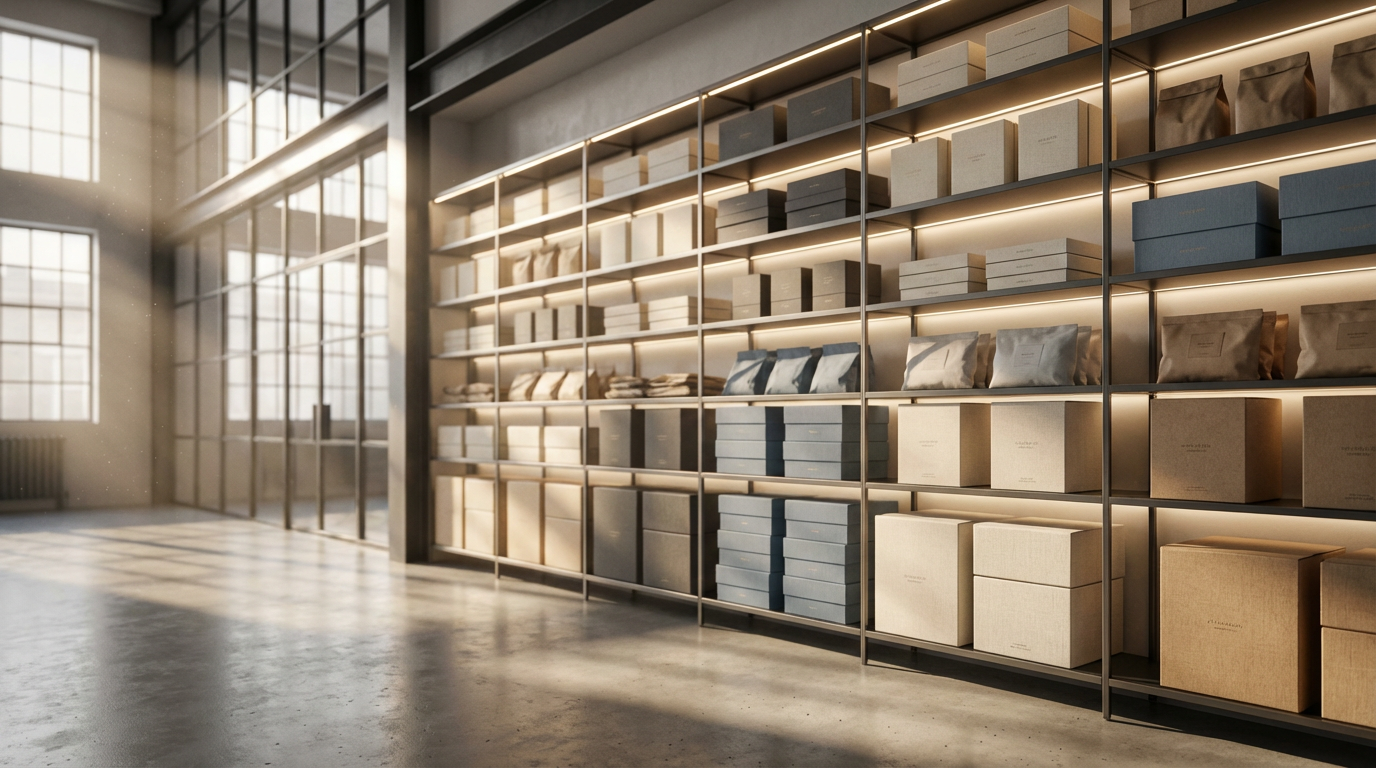
In recent years, minimalist design has gained traction across various industries, including the realm of modern warehousing. Emphasizing simplicity and efficiency, this design philosophy can transform warehouse operations significantly. By reducing clutter and focusing on essential elements, minimalist design improves productivity and optimizes space utilization.
Enhancing Operational Efficiency
One of the primary benefits of minimalist design is the enhancement of operational efficiency. By eliminating unnecessary elements, warehouses can streamline their processes. This streamlined approach reduces the time taken to locate and transport goods, ultimately speeding up the entire supply chain.
Additionally, minimalist design often incorporates advanced technology such as automation and smart storage solutions. These innovations further enhance efficiency by reducing manual labor and minimizing errors.
Space Optimization
Minimalist design focuses on making the most out of available space. By using modular shelving and flexible layouts, warehouses can adjust to varying inventory levels and product sizes. This adaptability is crucial in today’s fast-paced market, where demand can change rapidly.
Cost-Effectiveness
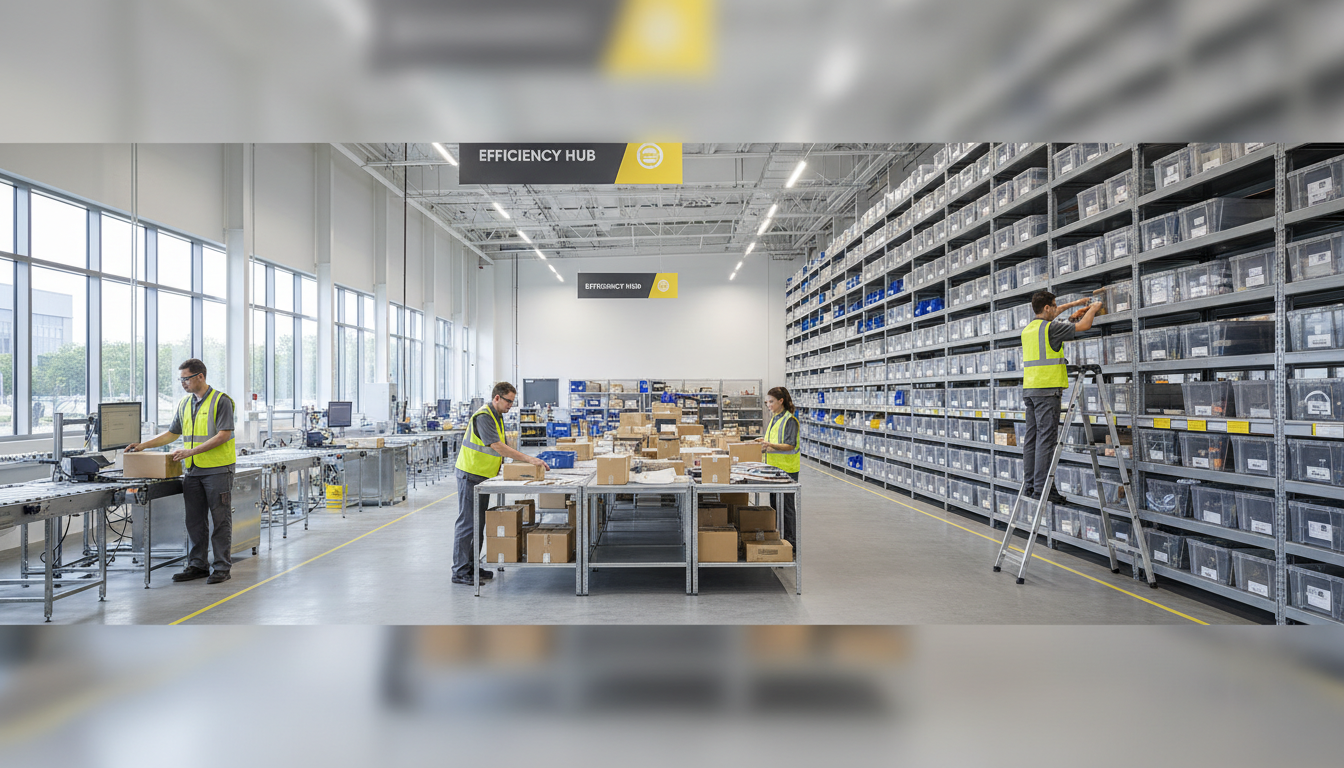
Implementing minimalist design can lead to significant cost savings. By optimizing space and improving efficiency, warehouses can reduce overhead costs associated with storage and labor. Fewer resources are wasted, and the overall expenditure on maintenance and utilities can be minimized.
Moreover, a well-organized warehouse reduces the risk of damage to goods, decreasing potential losses and insurance costs. This cost-effectiveness makes minimalist design an attractive option for businesses aiming to enhance their bottom line.
Improved Safety and Cleanliness
A clean and uncluttered environment is inherently safer. By adopting minimalist principles, warehouses can improve safety for their employees. Clear pathways and organized storage reduce the risk of accidents and make emergency procedures more straightforward.

Sustainability Benefits
Minimalist design aligns with sustainability goals by reducing waste and promoting efficient resource usage. The streamlined approach often involves using sustainable materials and energy-efficient systems, contributing to a warehouse's eco-friendly credentials.
By embracing minimalist design, warehouses can not only improve their operational metrics but also enhance their environmental impact, aligning with global sustainability trends.
Conclusion
Adopting minimalist design in modern warehouses offers numerous advantages. From boosting efficiency and reducing costs to improving safety and promoting sustainability, the benefits are compelling. As businesses continue to evolve, embracing minimalist principles can provide a strategic edge in the competitive landscape of logistics and supply chain management.