Exploring the Future of Logistics and Distribution in Industrial Warehouses
The Rise of Automation in Warehousing
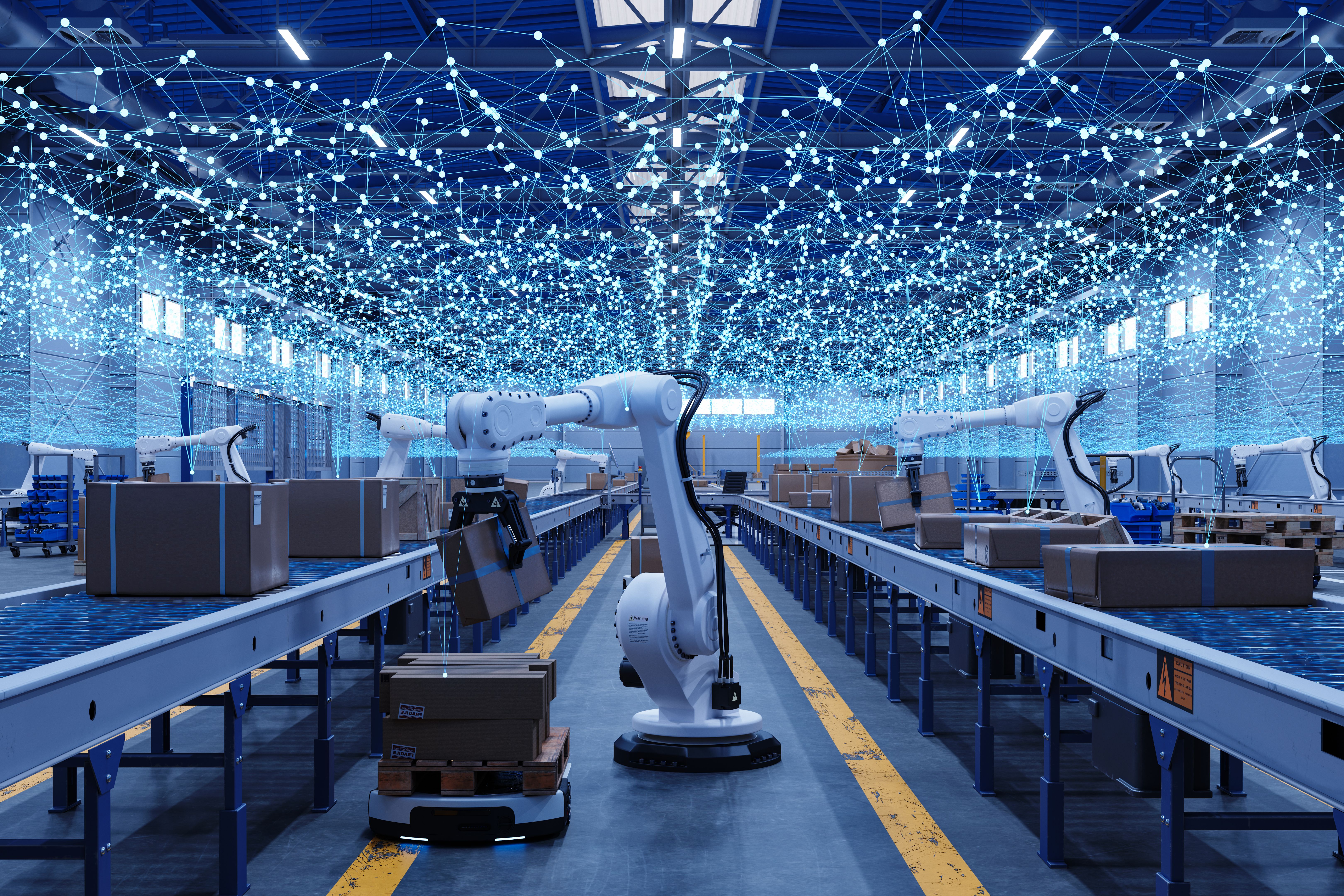
The future of logistics and distribution is closely tied to the rise of automation in industrial warehouses. Automated systems, such as robotic pickers and automated guided vehicles (AGVs), are transforming the landscape by increasing efficiency and reducing human error. These technologies allow warehouses to operate 24/7, maximizing output and minimizing downtime.
As labor costs rise, the investment in automation becomes not only attractive but essential. Companies are looking at ways to integrate machine learning and AI to further optimize operations. The result is a more streamlined process that can handle larger volumes and more complex tasks with ease.
Embracing the Internet of Things (IoT)
The Internet of Things (IoT) is playing a pivotal role in the evolution of logistics and distribution. By connecting devices and systems, IoT provides real-time data and insights that are invaluable for decision-making. Sensors and smart devices allow for tracking inventory levels, shipment statuses, and even the condition of goods in transit.
This connectivity enables predictive maintenance, ensuring equipment is serviced before failures occur, thus reducing downtime and costs. Furthermore, IoT facilitates greater transparency in the supply chain, allowing for more accurate demand forecasting and inventory management.

Sustainability in Logistics
As environmental concerns grow, the logistics industry is under pressure to adopt more sustainable practices. Industrial warehouses are exploring eco-friendly solutions such as energy-efficient lighting, renewable energy sources, and sustainable packaging materials. The goal is to reduce the carbon footprint without compromising on efficiency or performance.
Logistics companies are also investing in green transportation options, such as electric vehicles and hybrid fleets. These efforts not only help in reducing emissions but also align with consumer expectations for more responsible business practices.

Advancements in Data Analytics
Data analytics is revolutionizing logistics by providing deeper insights into every aspect of the supply chain. Advanced analytics tools allow for the analysis of large data sets to identify trends, predict outcomes, and optimize operations. This data-driven approach helps in making informed decisions that enhance productivity and efficiency.
Warehouse managers can use predictive analytics to anticipate demand spikes and adjust inventory levels accordingly. This not only improves customer satisfaction by ensuring product availability but also reduces waste and costs associated with overstocking.
The Role of Artificial Intelligence
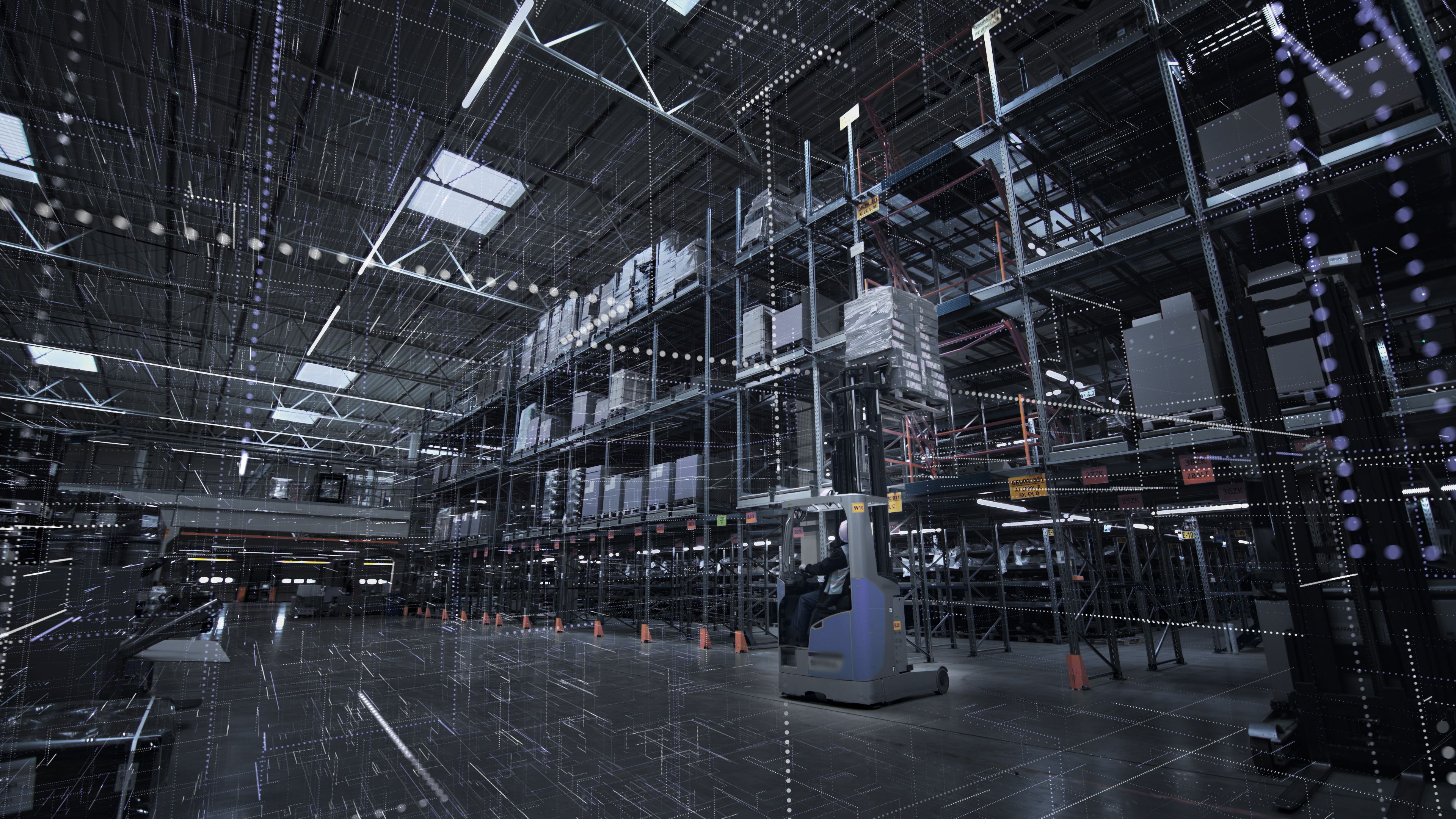
Artificial Intelligence (AI) is becoming increasingly integral in logistics and distribution. From route optimization to demand forecasting, AI algorithms are enhancing the capabilities of warehouses. AI can quickly process vast amounts of data, offering insights that would be impossible to obtain manually.
Chatbots and virtual assistants are also being utilized to improve customer service and streamline communication. By automating routine tasks, AI allows human workers to focus on more complex and strategic activities, ultimately boosting overall productivity.
Future Trends to Watch
Looking ahead, the logistics industry is poised for even more transformation. Emerging technologies such as blockchain have the potential to enhance transparency and security in the supply chain. Drones and autonomous vehicles could revolutionize last-mile delivery, making it faster and more efficient.
As these technologies continue to evolve, industrial warehouses will need to adapt and innovate to stay competitive. The future of logistics is not just about keeping pace with change but leading it, ensuring that businesses can meet the demands of a rapidly evolving market.