Harnessing Smart Technology Integration in Warehouses for Better Operations
The Rise of Smart Warehousing
In recent years, the integration of smart technology in warehouses has transformed operations, making them more efficient and cost-effective. With the influx of technologies such as the Internet of Things (IoT), artificial intelligence (AI), and machine learning, warehouses are now smarter and more connected than ever before.
The use of smart technology in warehouses is not just about automation; it's about creating an interconnected system that enhances productivity and reduces human errors. This transformation leads to better inventory management, improved safety standards, and optimized resource utilization.
Enhancing Inventory Management
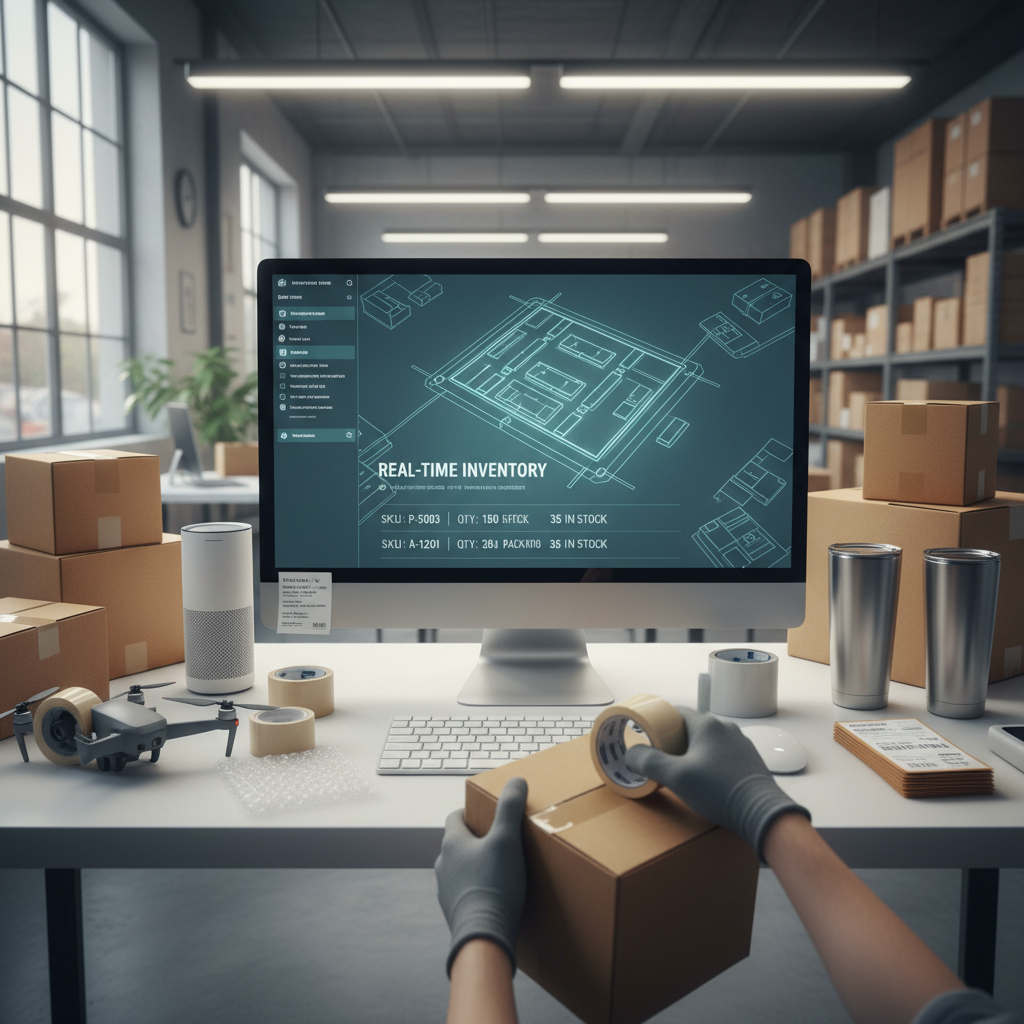
Inventory management is at the core of warehouse operations. Smart technology allows for real-time tracking of inventory, reducing the risk of overstocking or stockouts. IoT devices can monitor stock levels and automatically update records, ensuring accurate data.
Additionally, AI algorithms can predict demand patterns, enabling warehouses to adjust inventory levels proactively. This predictive capability helps in minimizing waste and ensuring that the right products are available when needed.
Boosting Operational Efficiency
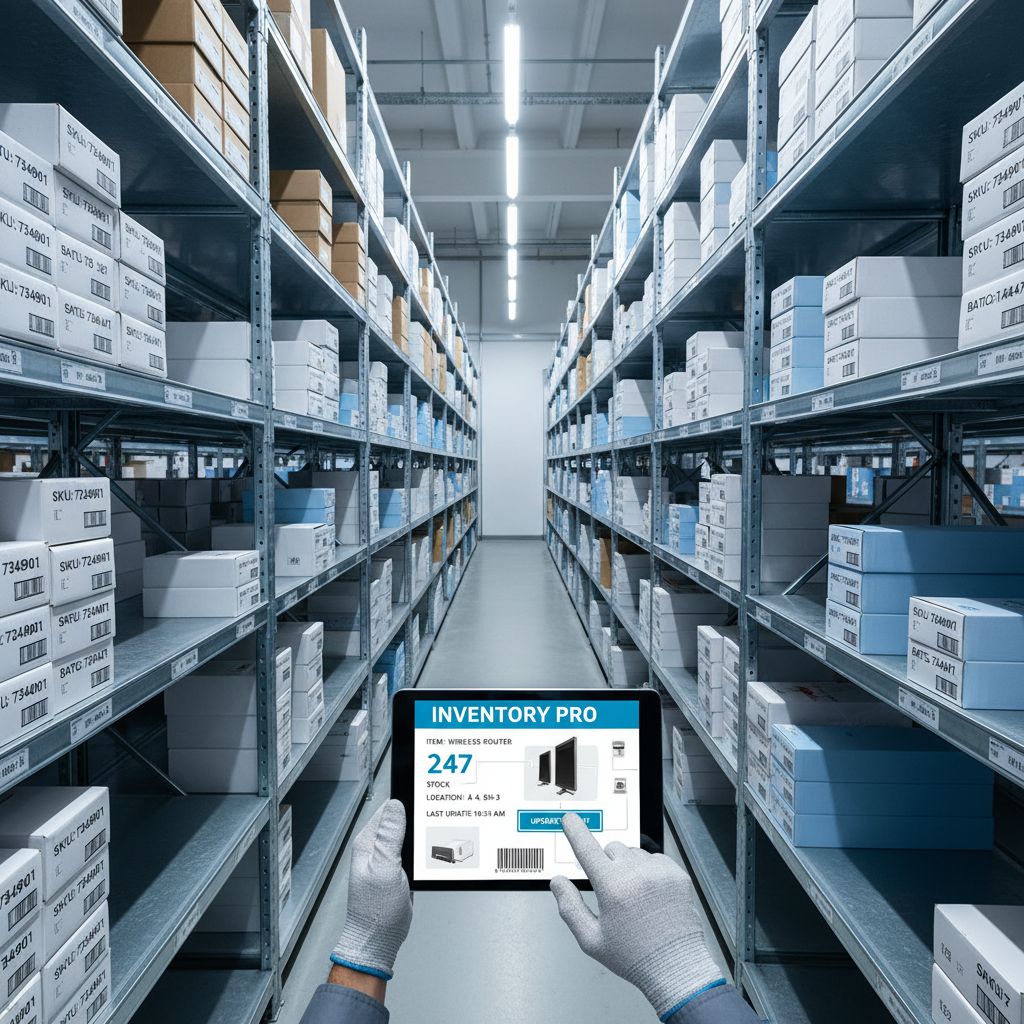
Operational efficiency is critical in maintaining a competitive edge. Smart technologies such as autonomous robots and automated guided vehicles (AGVs) streamline the picking and packing processes, reducing manual labor and speeding up operations.
These technologies not only enhance speed but also significantly reduce the likelihood of human error. By automating repetitive tasks, warehouse staff can focus on more strategic activities that add value to the business.
Improving Safety Standards
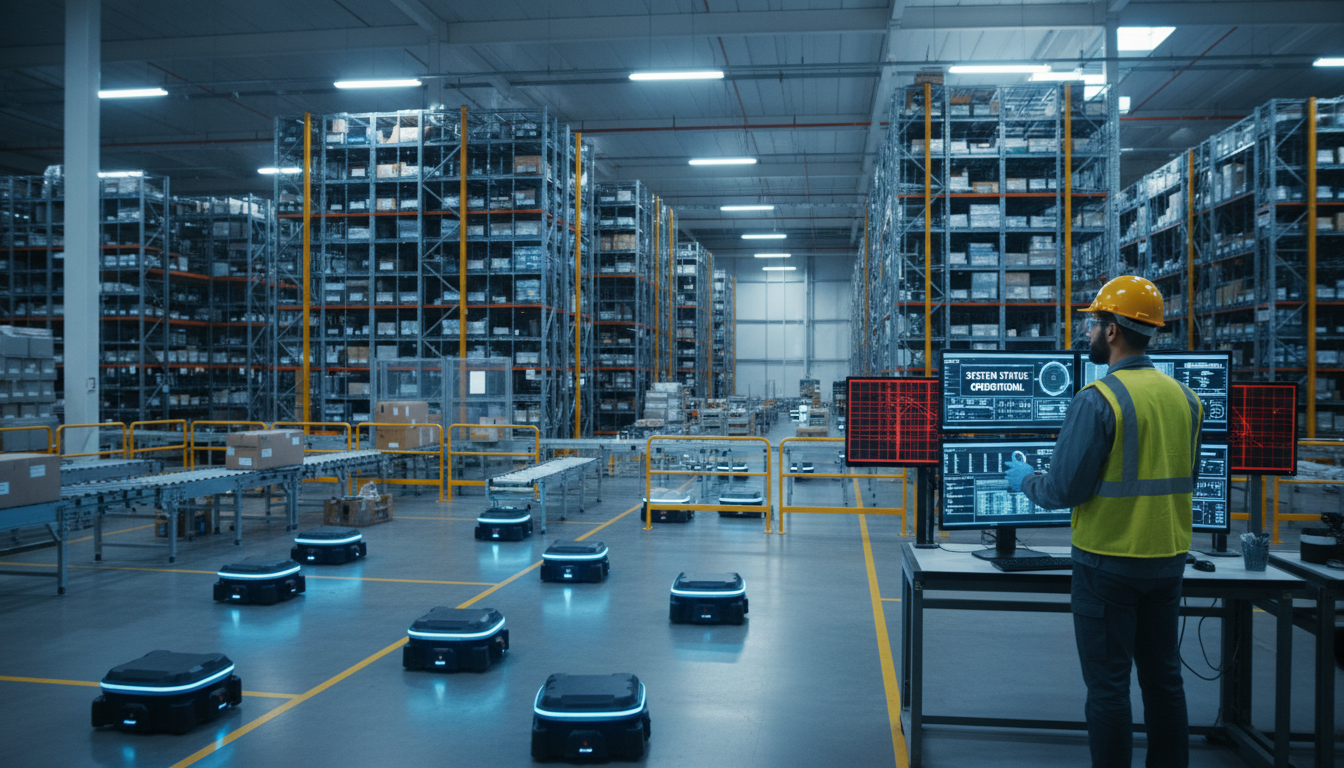
Safety is a paramount concern in warehouse environments. Smart technology plays a crucial role in enhancing safety standards. Wearable devices can monitor workers' health and alert supervisors in case of anomalies, ensuring timely intervention.
Moreover, AI-powered systems can analyze data to identify potential hazards and suggest preventive measures. This proactive approach to safety helps in creating a safer working environment for all employees.
Optimizing Resource Utilization
Smart warehouses are adept at optimizing resource utilization. Energy-efficient systems and smart lighting can significantly reduce energy consumption, leading to cost savings and a reduced carbon footprint.
Furthermore, AI-based analytics can provide insights into the most efficient use of space, helping warehouses to maximize their storage capacity and reduce operational costs.
The Future of Warehousing
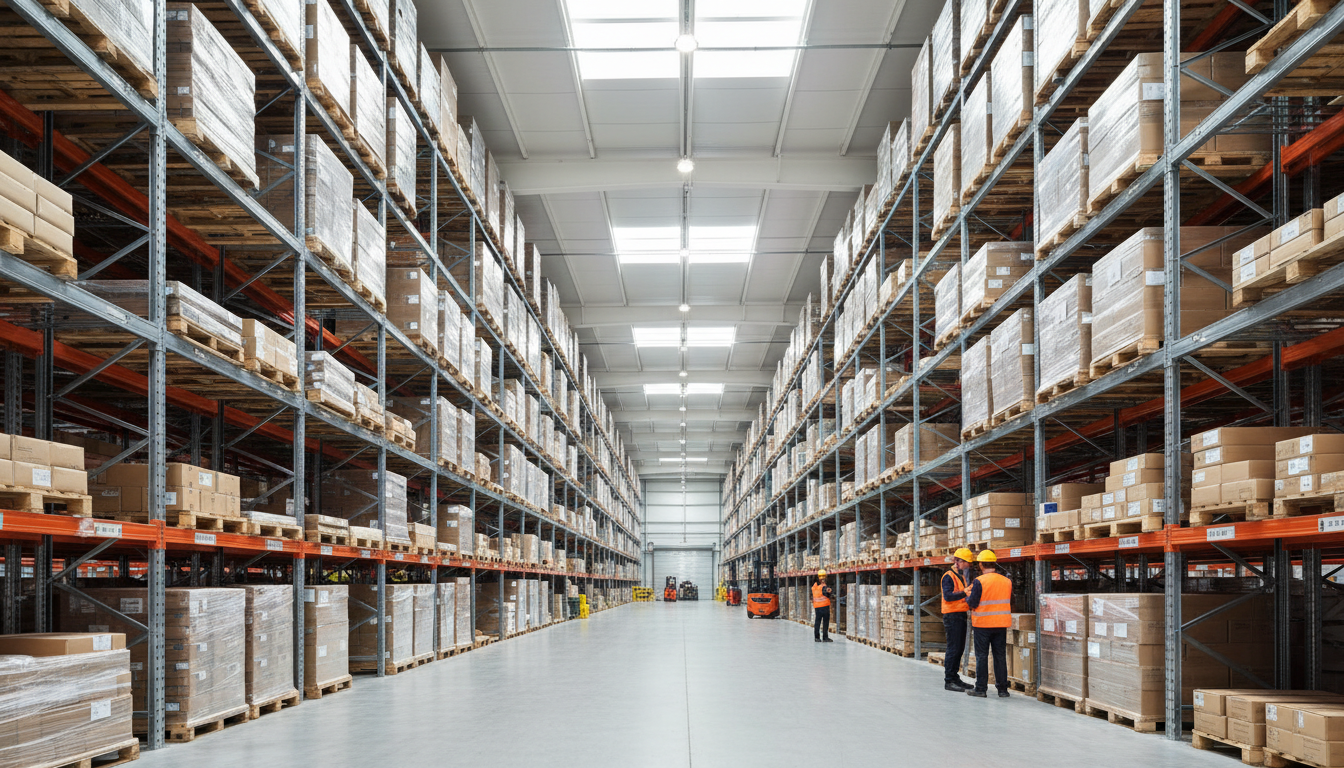
As technology continues to evolve, the future of warehousing looks promising. The integration of smart technologies will continue to drive innovation, leading to even more advanced and efficient operations.
Embracing these technologies not only enhances current operations but also prepares warehouses for future challenges. By staying ahead of the curve, warehouses can maintain their competitive edge and meet the ever-growing demands of the market.