How Smart Technology Is Revolutionizing Warehouse Operations
Introduction to Smart Technology in Warehousing
In recent years, the integration of smart technology has dramatically transformed warehouse operations. From inventory management to logistics, advanced technologies are streamlining processes, enhancing efficiency, and reducing costs. This evolution is crucial for businesses aiming to maintain a competitive edge in a rapidly changing market.
Smart technology encompasses various tools and systems, including automation, the Internet of Things (IoT), and artificial intelligence (AI). These innovations are not just improving productivity but also enhancing accuracy and safety within warehouse environments.
Automation: The Heart of Modern Warehouses
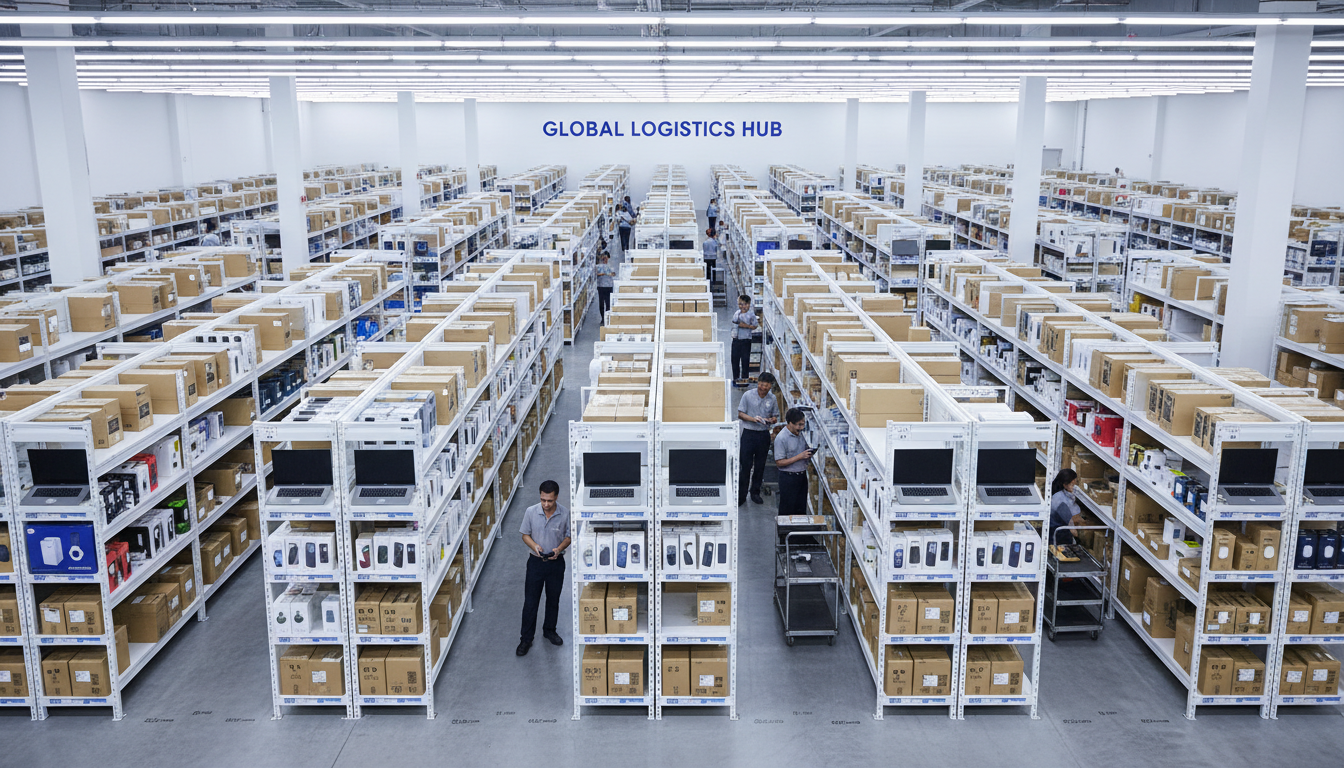
One of the most significant impacts of smart technology is the rise of automation. Automated Guided Vehicles (AGVs) and robotic arms are now commonplace in warehouses, performing tasks that traditionally required manual labor. This shift not only reduces human error but also accelerates processes, allowing for faster turnaround times.
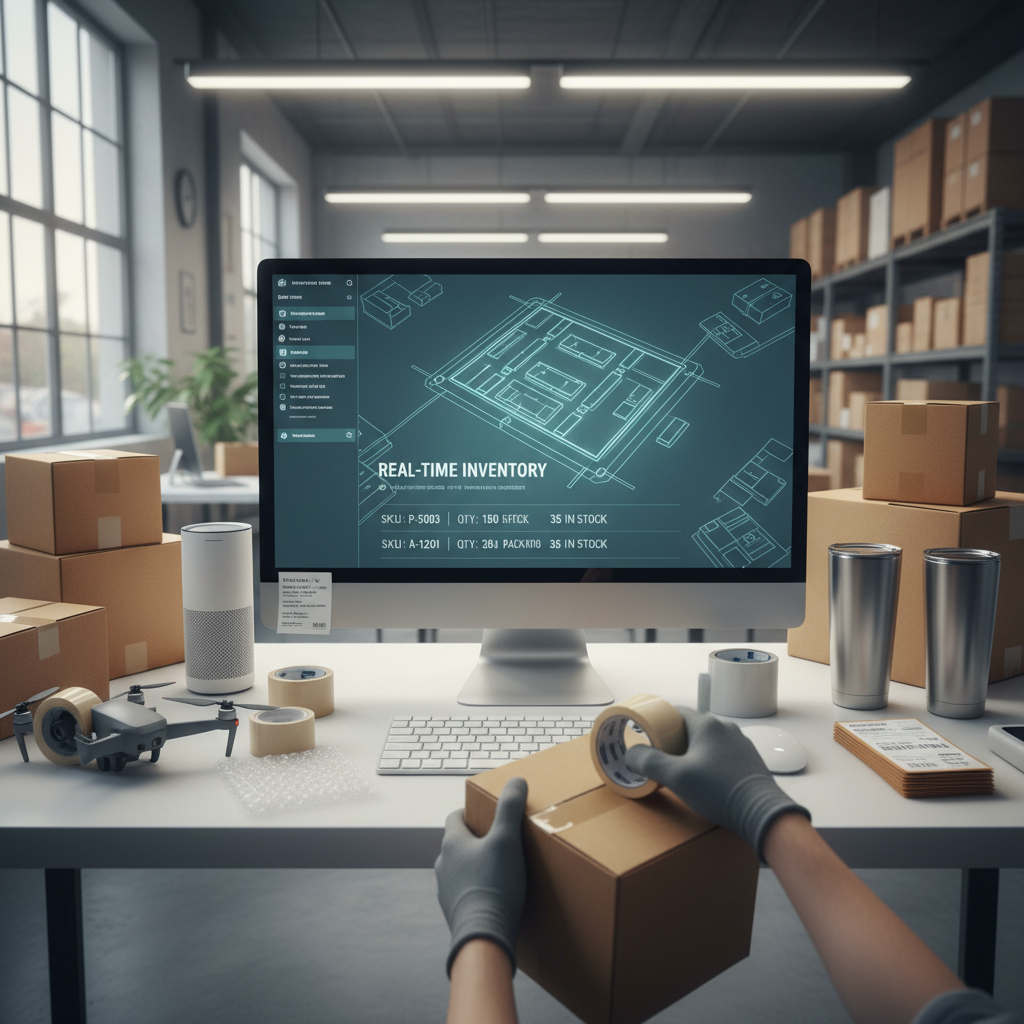
Automation also extends to inventory management. Automated systems can track inventory in real-time, ensuring that stock levels are always accurate. This reduces the risk of overstocking or stockouts, optimizing inventory levels to meet demand precisely.
Benefits of Warehouse Automation
- Increased Efficiency: Automation speeds up operations, reducing the time taken for picking, packing, and shipping.
- Cost Reduction: By minimizing manual labor, businesses can significantly cut operational costs.
- Improved Accuracy: Automated systems reduce human error, ensuring more reliable data and processes.
The Role of IoT in Warehousing
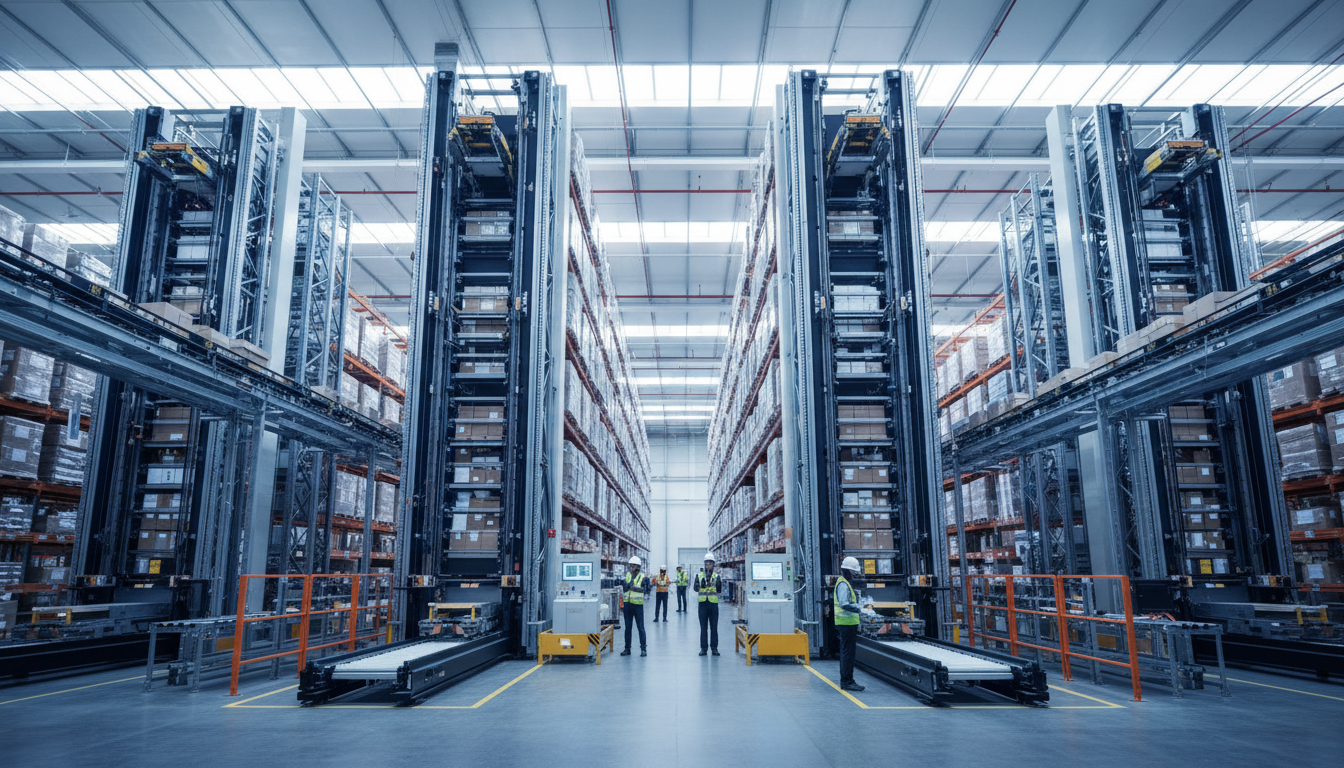
The Internet of Things (IoT) plays a vital role in transforming warehouse operations. IoT devices enable real-time tracking and monitoring of goods throughout the supply chain. Sensors and connected devices collect and transmit data, providing valuable insights into warehouse operations.
With IoT, warehouses can monitor environmental conditions such as temperature and humidity, ensuring that products are stored under optimal conditions. This is especially important for sensitive goods like pharmaceuticals and perishable items.
IoT Applications in Warehousing
- Real-Time Tracking: Monitor the movement and status of inventory with precision.
- Predictive Maintenance: IoT devices can predict equipment failures, reducing downtime and maintenance costs.
- Enhanced Security: IoT enhances security through smart cameras and sensors, monitoring access and preventing unauthorized entry.
Artificial Intelligence: Making Warehouses Smarter
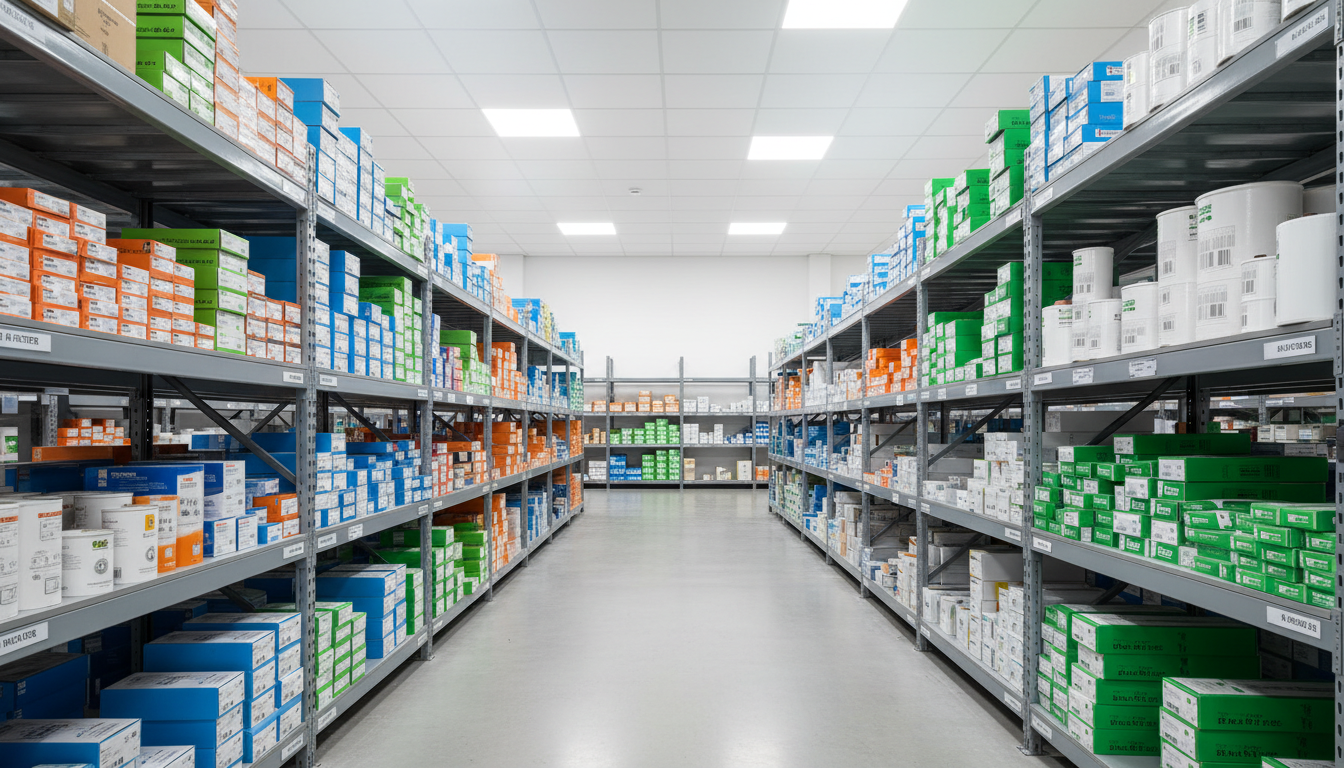
Artificial intelligence is another cornerstone of smart warehousing. AI systems analyze vast amounts of data to optimize decision-making processes. Machine learning algorithms can predict demand patterns, helping businesses adjust inventory levels and improve supply chain efficiency.
Moreover, AI-powered systems can enhance customer service by providing accurate delivery estimates and improving order accuracy. By leveraging AI, warehouses can offer more reliable services, enhancing customer satisfaction.
AI-Driven Improvements
- Demand Forecasting: Predict future demand to optimize inventory and reduce waste.
- Order Accuracy: Improve picking and packing accuracy, reducing errors and returns.
- Enhanced Decision-Making: Use data-driven insights for strategic planning and operational improvements.
Conclusion: Embracing the Future of Warehousing
As smart technology continues to evolve, its impact on warehouse operations will only grow. Businesses that embrace these innovations stand to gain significant advantages in efficiency, accuracy, and cost-effectiveness. By integrating automation, IoT, and AI, warehouses can not only meet current demands but also adapt to future challenges.
In a world where customer expectations are higher than ever, the ability to deliver quickly and accurately is paramount. Smart technology provides the tools necessary to achieve these goals, setting the stage for the future of warehousing.