How to Choose an Industrial Warehouse Space: Key Considerations
Understanding Your Business Needs
Choosing the right industrial warehouse space begins with a clear understanding of your business requirements. Consider the nature of your products, the volume of inventory you need to store, and any special storage conditions your products might require. Are you dealing with perishable goods that need refrigeration? Or perhaps you have large machinery that demands ample space? Identifying these needs will guide your search effectively.
Another crucial aspect is location. The warehouse should be strategically located to facilitate efficient distribution. Proximity to major highways, ports, and your customer base can significantly impact logistics and transportation costs. Evaluate the infrastructure and accessibility of potential sites to ensure they align with your operational goals.
Assessing Space and Layout
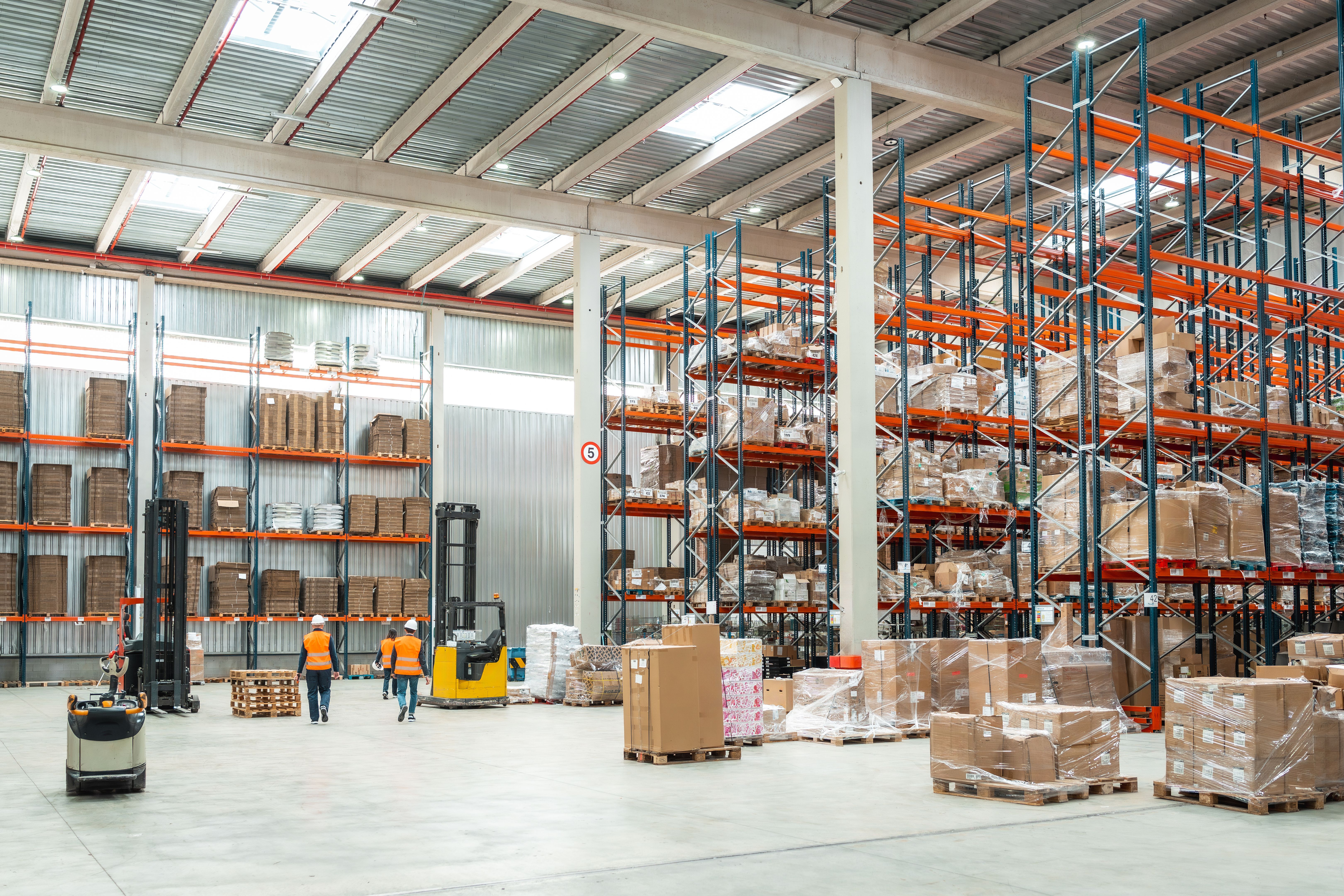
When evaluating warehouse spaces, size and layout are critical. The warehouse should have sufficient space to accommodate your inventory and allow smooth movement of goods. Consider the ceiling height, as higher ceilings can offer more vertical storage space, enabling you to maximize the use of the area.

Additionally, assess the layout of the warehouse. A well-organized and efficient layout can enhance productivity and streamline operations. Look for spaces with wide aisles and easy access points to optimize the flow of goods in and out of the facility.
Infrastructure and Facilities
Check the infrastructure and facilities available in the warehouse. Features such as loading docks, parking areas for trucks, and advanced security systems are essential. Ensure the building has adequate electrical capacity and internet connectivity to support your operations.

Moreover, consider any additional amenities that might benefit your employees, such as office space, break rooms, and restrooms. A well-equipped warehouse not only improves efficiency but also enhances the working environment for your staff.
Compliance and Zoning Regulations
Before finalizing a warehouse space, ensure that it complies with local zoning regulations and industry standards. Different areas may have specific requirements regarding the types of operations allowed. Verify that the warehouse meets health and safety standards to avoid any legal issues down the line.
Consult with legal and industry experts to ensure compliance. This step is crucial to prevent any potential operational disruptions or fines.
Cost Considerations
Finally, evaluate the cost implications of each potential warehouse space. This includes rental or purchase costs, as well as ongoing expenses like utilities and maintenance. Compare these costs against your budget to ensure financial feasibility.

It's also wise to consider future growth. Opting for a slightly larger space than currently needed can accommodate business expansion without the need for a disruptive move.
Conclusion
Choosing an industrial warehouse space is a significant decision that can impact your business operations. By understanding your specific needs, assessing space and layout, checking infrastructure, ensuring compliance, and evaluating costs, you can find a warehouse that supports your business goals and facilitates growth.