How to Choose an Industrial Warehouse Space: Key Considerations
Understanding Your Needs
Choosing the right industrial warehouse space begins with a clear understanding of your specific needs. Consider the type of goods you will store, the volume, and how frequently they will move in and out. Recognizing your operational requirements is the first step to finding a space that enhances efficiency.
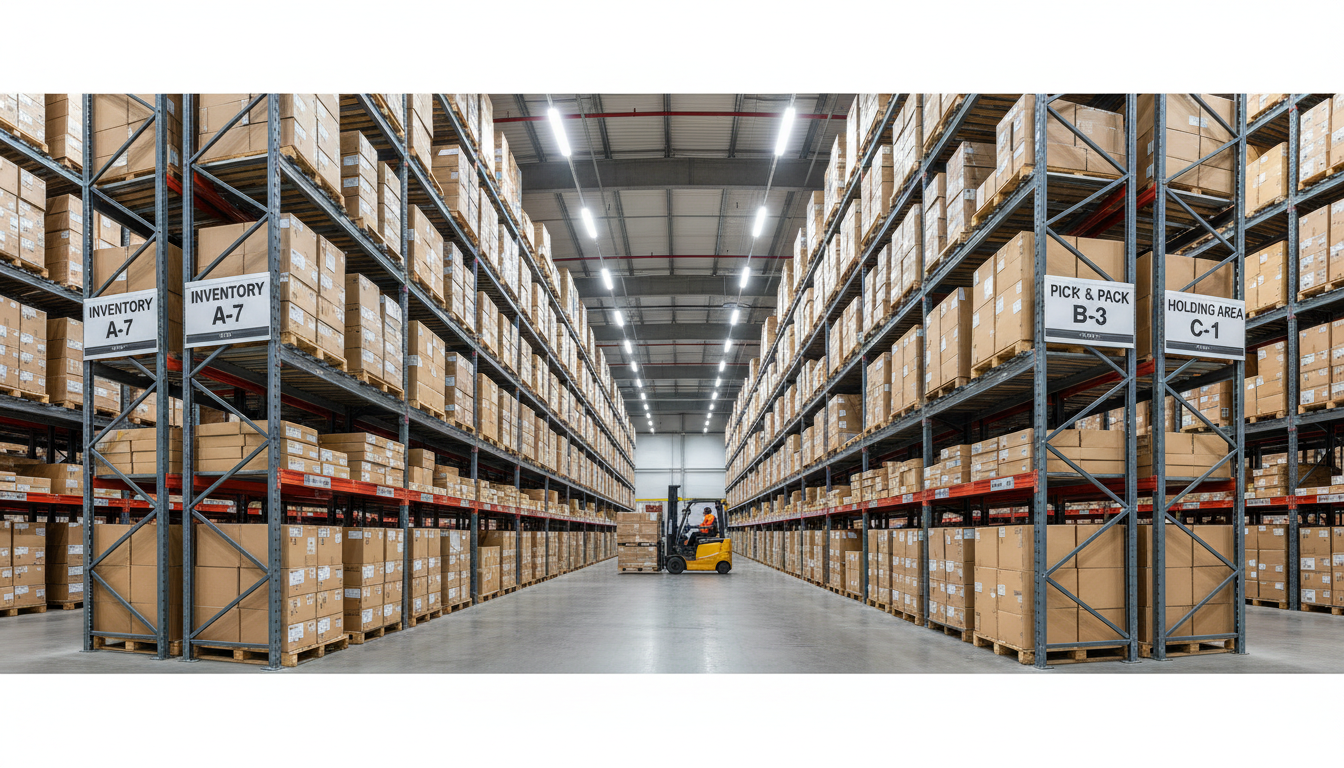
Think about the size and layout of the warehouse. Do you need high ceilings for stacking pallets or wide open spaces for machinery? Understanding these aspects ensures you select a warehouse that accommodates your business.
Location Matters
The location of your warehouse can significantly impact your logistics and distribution efficiency. Consider proximity to major highways, ports, or railways, as these can reduce transportation costs and time. Additionally, think about the accessibility for employees and the potential impact on delivery times.
It's also wise to evaluate the local labor market. A location with a skilled workforce can enhance productivity and reduce training costs. Choosing the right location can be the difference between smooth operations and logistical headaches.
Assessing Infrastructure and Facilities
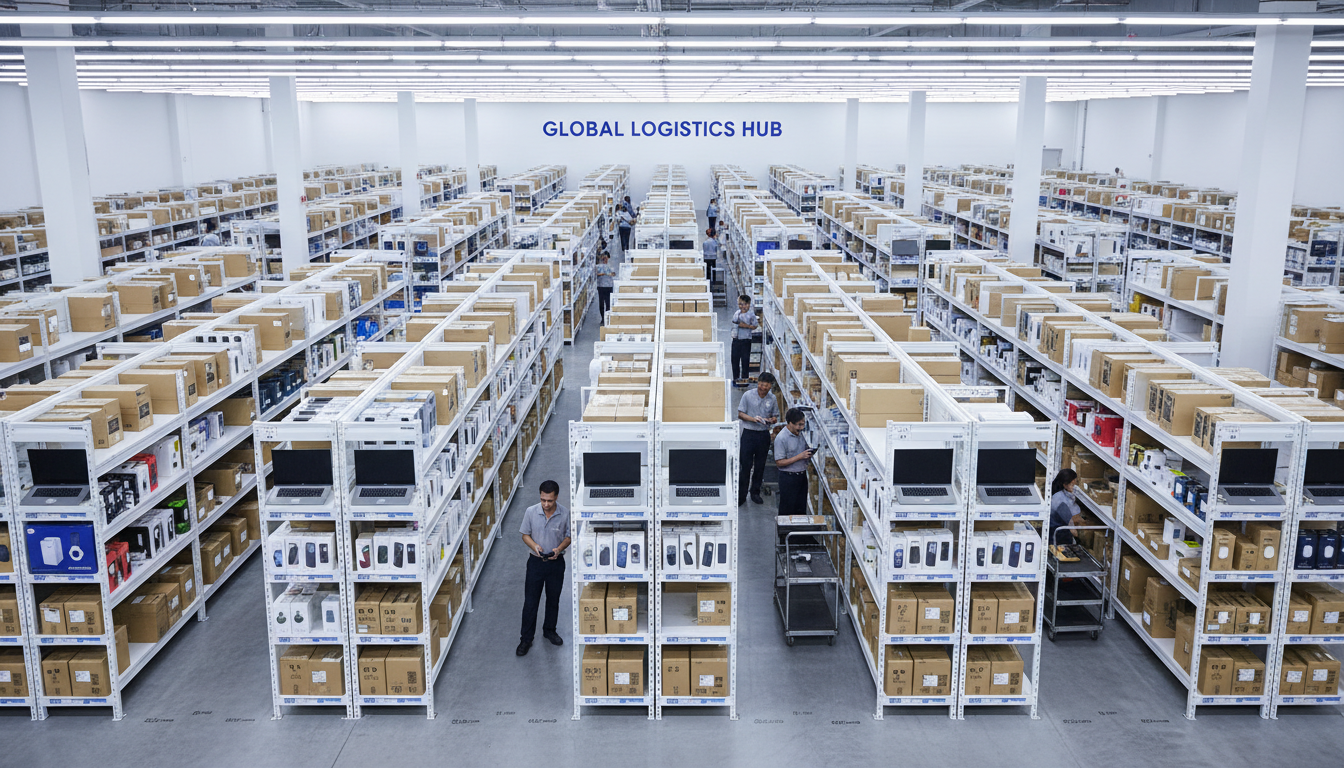
When evaluating potential warehouse spaces, assess the infrastructure and facilities. Look for features such as loading docks, parking facilities, and security systems. These elements play a significant role in the daily operations and safety of your inventory.
Consider the condition of the building itself. A well-maintained warehouse can save you money on repairs and provide a safer environment for your workforce. Ensure that the space meets all regulatory and safety standards.
Technology and Automation
In today's competitive landscape, technology and automation are crucial. Look for warehouses that offer modern amenities like climate control, automated storage systems, and advanced inventory management software. These features can streamline operations and improve accuracy.
Cost Considerations
Cost is always a critical factor when choosing an industrial warehouse space. Evaluate not just the rental or purchase price, but also the costs associated with utilities, maintenance, and potential upgrades.
Create a budget that includes all potential expenses. A detailed financial analysis will help you choose a warehouse that fits your financial capabilities while meeting your operational needs.
Future Growth and Flexibility
Your business needs today might not be the same tomorrow. Choosing a warehouse with flexibility for growth can save time and money in the long run. Look for spaces that allow for easy expansion or modification.
Consider the lease terms. Opt for agreements that provide the flexibility to adjust your space as your business evolves. This foresight ensures your warehouse can adapt to changing demands.

Environmental and Sustainability Factors
Sustainability is becoming increasingly important in industrial operations. Consider a warehouse that incorporates eco-friendly practices, such as energy-efficient lighting or solar panels. Not only do these features reduce environmental impact, but they can also lower operational costs.
Assess the environmental policies in place at potential locations. A commitment to sustainability can enhance your brand's reputation and align with corporate social responsibility goals.