How to Choose the Right Warehouse for Your Business Needs
Understanding Your Storage Needs
Choosing the right warehouse for your business is a crucial decision that can impact your operations, costs, and customer satisfaction. The first step in this process is to clearly understand your storage needs. Consider the types of products you will store, their sizes, and any special requirements such as climate control or security measures. Having a detailed inventory list can help you identify these needs more accurately.

Location and Accessibility
Location is a critical factor when selecting a warehouse. You want to ensure that your warehouse is strategically located to optimize your supply chain. Consider its proximity to major transport routes, ports, or airports. Additionally, think about how accessible the warehouse is for your logistics partners and whether it facilitates efficient distribution to your customers.
Space and Scalability
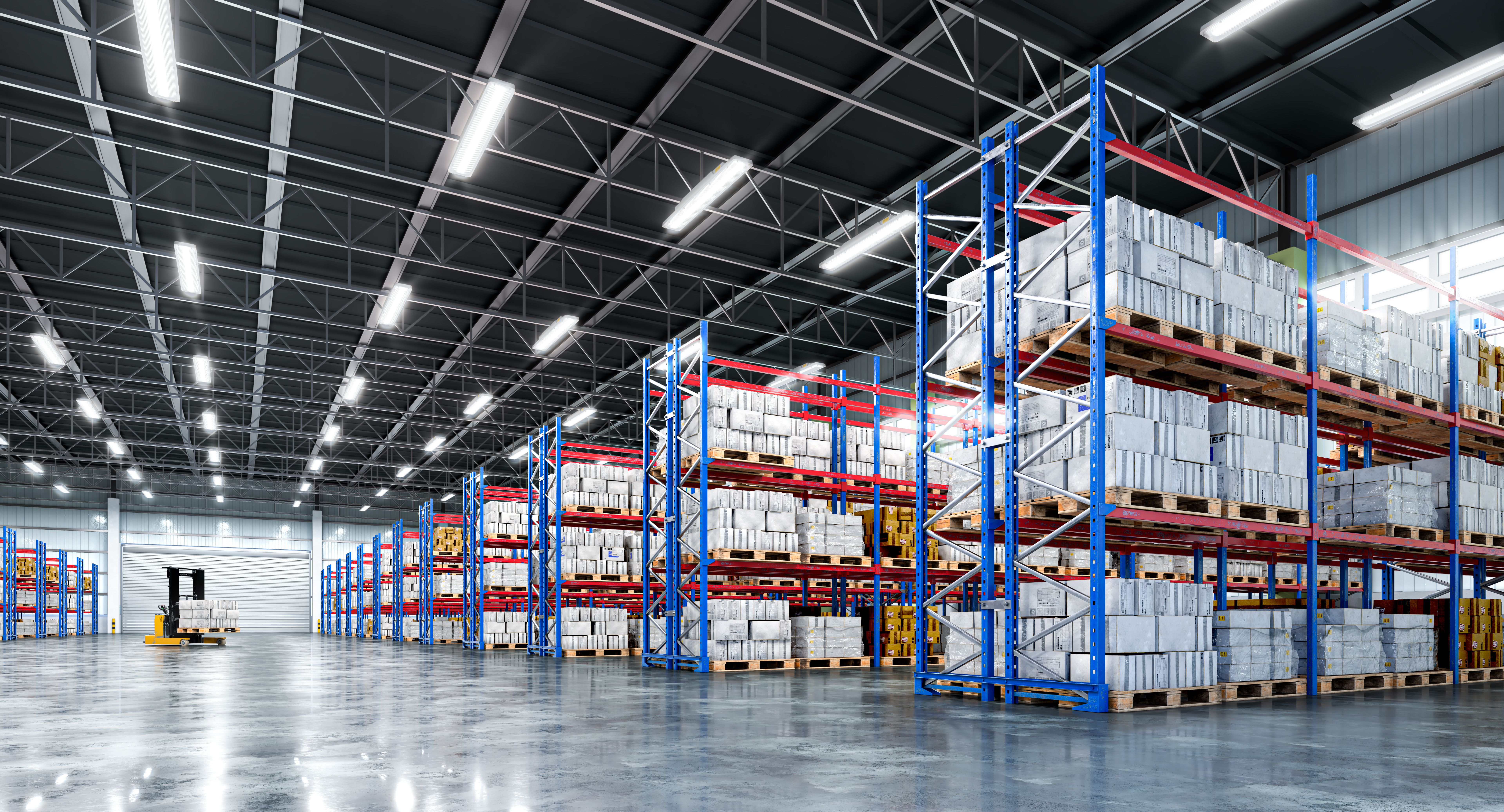
As your business grows, so will your storage requirements. It's important to choose a warehouse that not only meets your current needs but also allows for future expansion. Evaluate the available space and consider whether there is potential for scalability. This includes looking at the layout, ceiling heights, and the possibility of adding additional storage solutions like mezzanines or vertical shelving.
Technology and Infrastructure
Modern warehouses are equipped with advanced technology to streamline operations. Look for features such as warehouse management systems (WMS), automated storage and retrieval systems (ASRS), and RFID tracking. These technologies can enhance accuracy, efficiency, and overall productivity. Additionally, ensure the warehouse has reliable infrastructure, including power supply, internet connectivity, and safety systems.
Cost Considerations
Budget is a key consideration in choosing a warehouse. Analyze the costs involved, including rental fees, utilities, and maintenance expenses. It's important to balance cost with the features and services offered. Sometimes, paying a bit more for a well-located and well-equipped warehouse can result in long-term savings through increased efficiency and reduced transportation costs.
Security and Compliance
Security should not be overlooked when selecting a warehouse. Ensure the facility has robust security measures in place, such as surveillance cameras, access control systems, and on-site security personnel. Additionally, check that the warehouse complies with relevant industry regulations and standards, particularly if you are storing hazardous materials or goods that require special handling.
Evaluating Service Providers
If you're considering third-party logistics (3PL) providers, evaluate their reputation, experience, and reliability. Look for providers with a proven track record in handling businesses similar to yours. Read reviews, ask for references, and consider visiting their facilities to get a better sense of their operations and customer service.

Making the Final Decision
After considering all these factors, it's time to make your decision. Create a shortlist of potential warehouses and weigh the pros and cons of each. Involve key stakeholders in the decision-making process to ensure all aspects of your business needs are considered. Remember, the right warehouse can be a competitive advantage, enhancing your supply chain efficiency and customer satisfaction.