Industrial Features of Chinese Warehouses: A Modern Approach
Introduction to Modern Chinese Warehousing
China's rapid industrial growth has significantly transformed its warehousing sector. With advancements in technology and increasing global trade, Chinese warehouses have adopted modern features that ensure efficiency and cost-effectiveness. This evolution is crucial for meeting the demands of both domestic and international markets.
Warehouses in China are not just storage facilities anymore. They are dynamic hubs crucial to the supply chain, equipped with cutting-edge technology and innovative designs. This article explores the industrial features that define modern Chinese warehouses.
Advanced Automation and Robotics
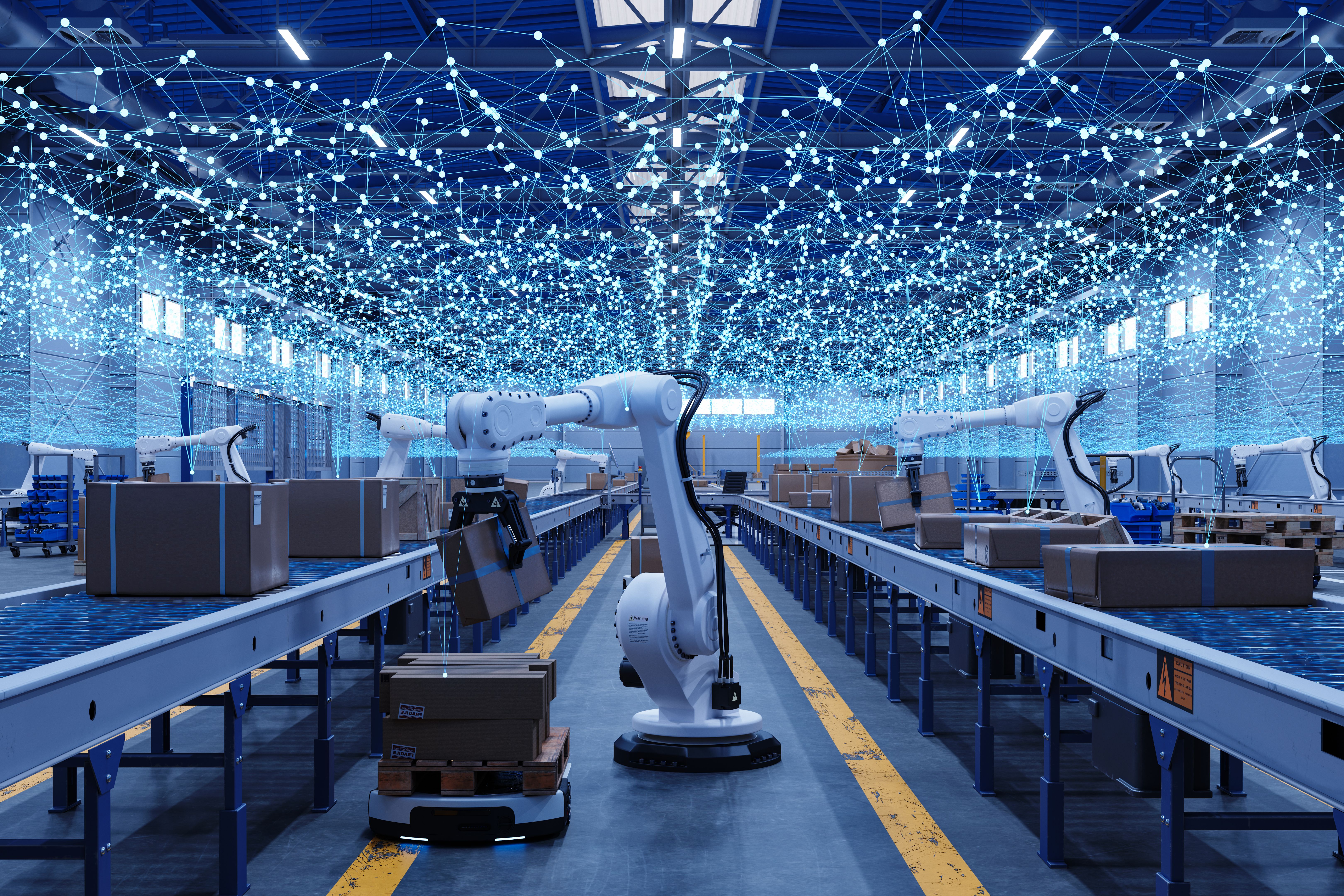
The rise of automation in Chinese warehouses is a game-changer. Many facilities now utilize automated guided vehicles (AGVs) and robotic arms to handle goods efficiently. This reduces the need for manual labor and minimizes errors, enhancing productivity.
These technologies allow for faster processing times and increased throughput. For example, AGVs can transport items across large facilities with precision, while robotic arms handle repetitive tasks like sorting and packing.
Benefits of Automation
Automation offers numerous benefits, including:
- Increased Efficiency: Faster operations lead to quicker turnaround times.
- Cost Savings: Reduces labor costs and minimizes human errors.
- Scalability: Easily adjustable to meet varying demand levels.
Smart Warehousing Technologies
Smart technologies are integral to the modern Chinese warehouse. These include IoT devices, AI-driven analytics, and real-time monitoring systems that optimize operations. By connecting different components of the warehouse, these technologies provide valuable insights into performance and areas for improvement.
For instance, IoT sensors can track environmental conditions, ensuring that goods are stored under optimal conditions. Meanwhile, AI systems analyze data to predict demand, helping warehouses manage inventory more effectively.
Real-Time Data and Insights
Real-time data collection and analysis allow warehouses to make informed decisions quickly. This agility is essential for adapting to market changes and maintaining a competitive edge. Additionally, predictive analytics can forecast trends, helping businesses plan for future demands.
Sustainable Practices in Warehousing
As sustainability becomes a global priority, Chinese warehouses are integrating eco-friendly practices. These include energy-efficient lighting, solar panels, and waste reduction strategies. Such initiatives not only lower operational costs but also enhance the corporate image of businesses.
Moreover, green certifications are becoming increasingly common, with many warehouses aiming for LEED or similar standards. This commitment to sustainability reflects a broader trend towards environmentally responsible industrial practices.

Impact on Global Supply Chains
The modern features of Chinese warehouses have a profound impact on global supply chains. By enhancing efficiency and sustainability, these facilities help businesses reduce costs and improve delivery times. This, in turn, strengthens China's position as a pivotal player in international trade.
In conclusion, the industrial features of Chinese warehouses represent a forward-thinking approach to logistics and supply chain management. By embracing automation, smart technologies, and sustainability, these facilities are setting new standards in the industry.