Industrial Warehouse Trends: Innovations Shaping the Future of Storage
Automation and Robotics
In recent years, automation and robotics have significantly transformed industrial warehouses. The integration of automated systems has streamlined operations, reducing the need for manual labor and increasing efficiency. Automated guided vehicles (AGVs) and robotic arms are now common sights, managing tasks such as sorting, packing, and transporting goods with precision.
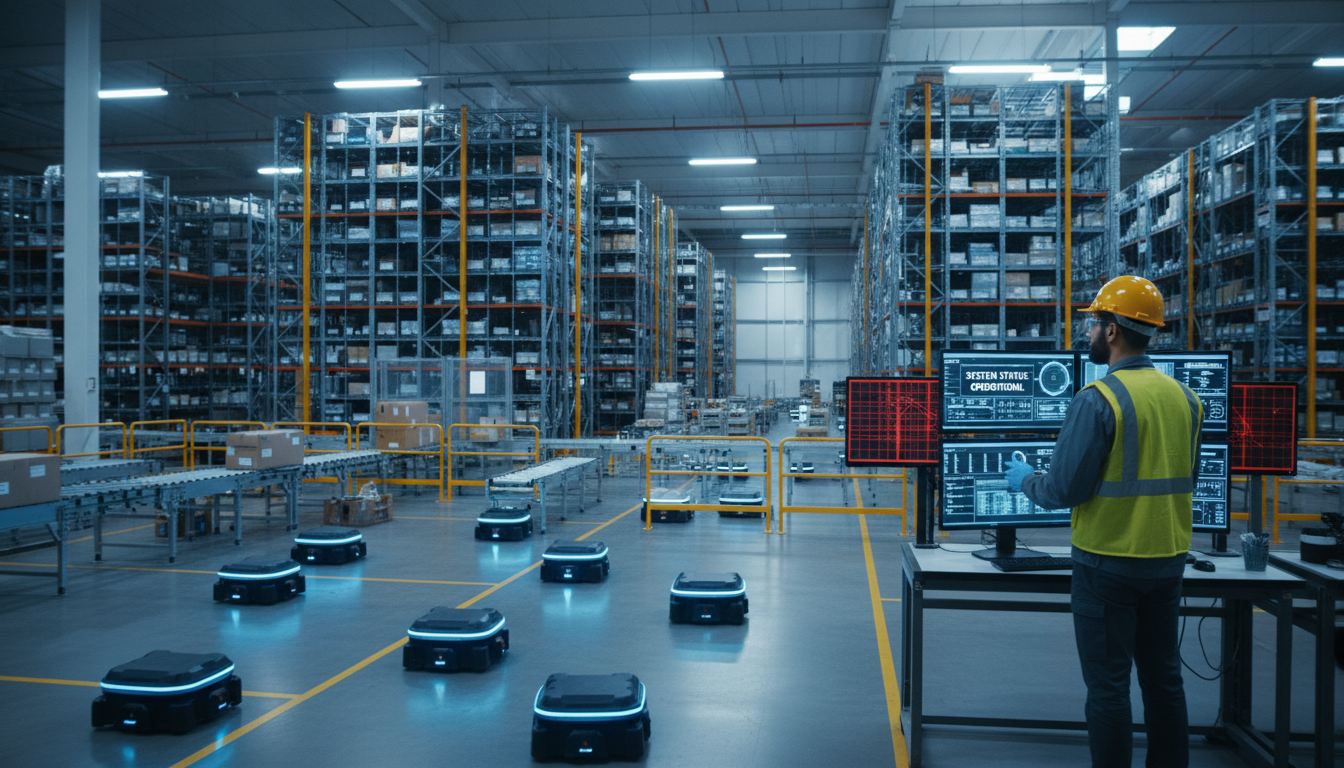
These technologies not only enhance productivity but also improve safety by minimizing human involvement in potentially hazardous tasks. As a result, companies are seeing reduced error rates and faster processing times, allowing them to meet increasing consumer demands effectively.
Smart Warehousing
Smart warehousing is another trend revolutionizing the storage industry. By leveraging the Internet of Things (IoT), warehouses are becoming more connected and intelligent. IoT devices provide real-time data, enabling managers to monitor inventory levels, track shipments, and optimize logistics with unprecedented accuracy.
This connectivity allows for predictive maintenance, reducing downtime and ensuring equipment is always in optimal condition. The use of sensors and smart shelves helps in efficient space utilization, ensuring that every inch of the warehouse is used effectively.

Sustainable Practices
As environmental concerns grow, the push for sustainability in warehousing has become more prominent. Companies are now adopting eco-friendly practices, such as installing solar panels, using energy-efficient lighting, and implementing waste reduction strategies. These initiatives not only reduce carbon footprints but also result in significant cost savings over time.
Additionally, the use of sustainable materials in construction and packaging is becoming more common, reflecting a broader commitment to environmental responsibility within the industry.
Advanced Inventory Management
Inventory management systems are evolving rapidly, incorporating advanced technologies like artificial intelligence (AI) and machine learning. These systems analyze historical data to forecast demand accurately, ensuring that inventory levels are optimized to prevent overstocking or stockouts.
With AI-driven insights, warehouses can streamline their supply chains, improve order accuracy, and enhance customer satisfaction. This level of precision is crucial in today’s fast-paced market, where consumer expectations continue to rise.
Flexible Storage Solutions
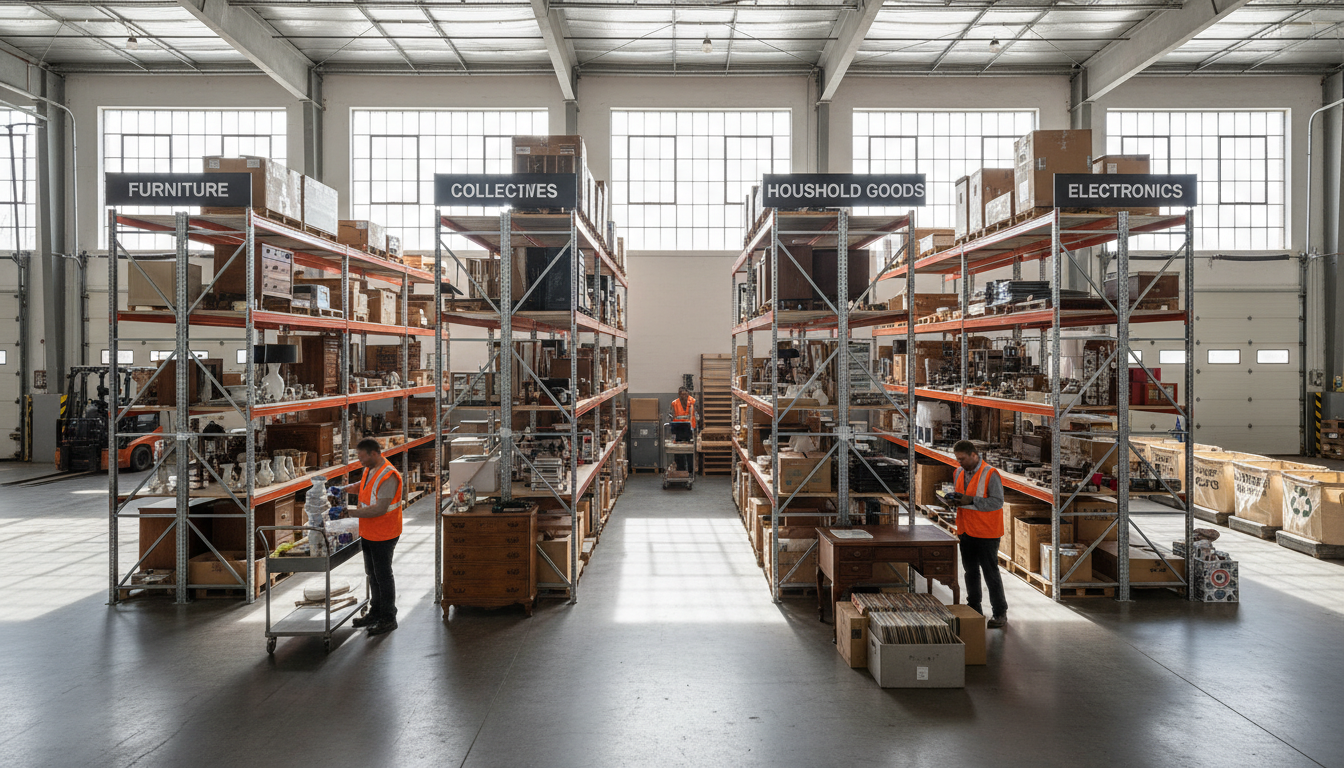
Finally, the rise of e-commerce has led to an increased demand for flexible storage solutions. Warehouses are now being designed to accommodate a wide range of products, from large bulk items to small, individual packages. Modular storage systems are gaining popularity, allowing warehouses to adjust to changing inventory needs quickly.
This flexibility is essential for businesses looking to scale and adapt to market trends without incurring excessive costs or delays. By embracing these innovations, industrial warehouses are positioning themselves for a future that is both dynamic and efficient.