Innovative Trends in Warehouse Design and Functionality
Embracing Automation and Robotics
In recent years, automation and robotics have become pivotal in transforming warehouse operations. These technologies streamline processes, reduce errors, and enhance efficiency. Automated guided vehicles (AGVs) and robotic arms are now commonplace, handling tasks that were once labor-intensive.
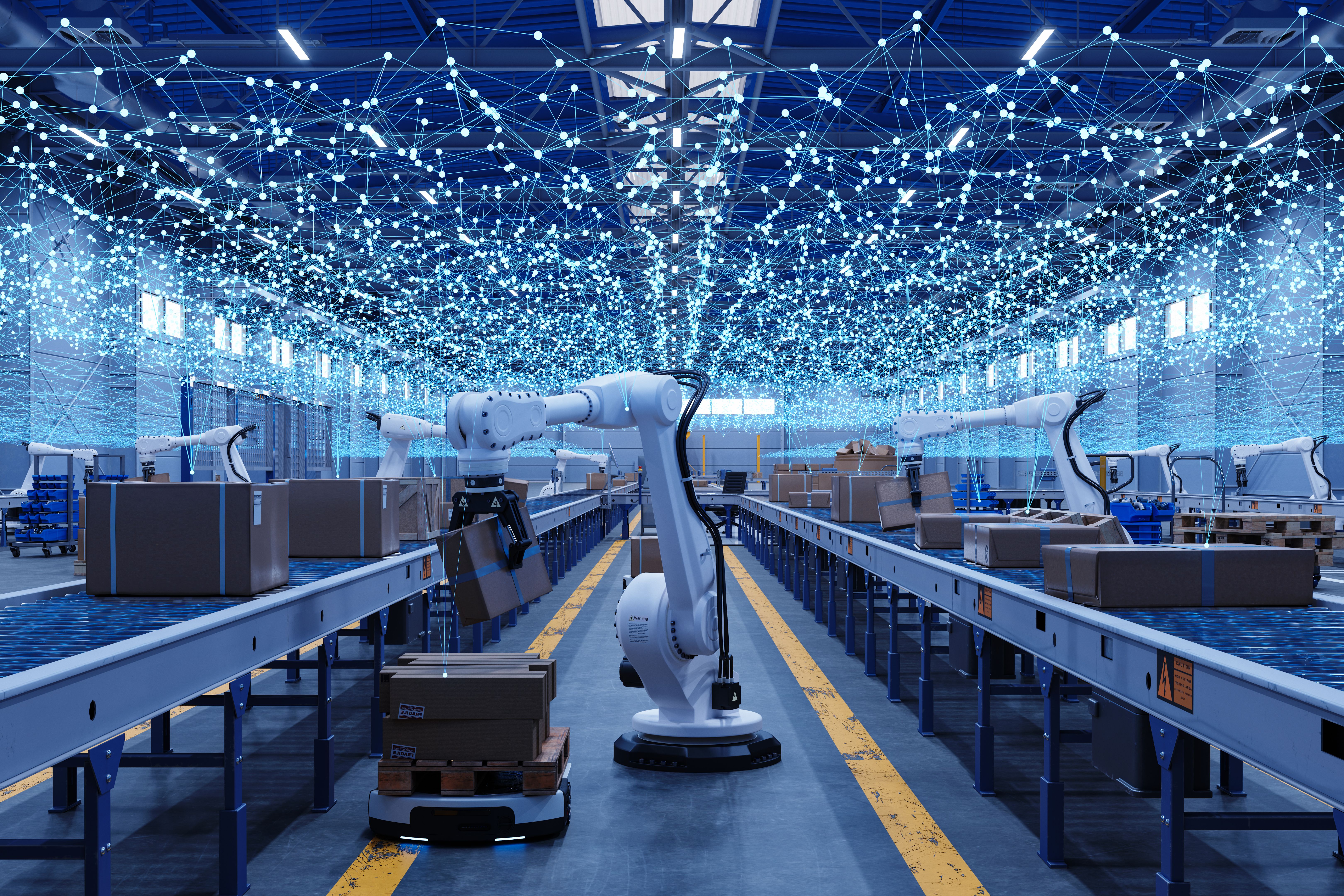
By integrating robotics, warehouses can operate around the clock, increasing productivity and reducing operational costs. Furthermore, automation minimizes human error, ensuring that inventory management is more accurate and reliable.
Benefits of Automation
Integrating automation offers several advantages:
- Increased Efficiency: Automated systems work faster and more consistently than human labor.
- Cost Reduction: While the initial investment may be substantial, long-term savings on labor costs are significant.
- Scalability: Automation allows for easy scaling to meet demand without the need for massive hiring.
Smart Warehousing with IoT
Internet of Things (IoT) technology is revolutionizing how warehouses operate. IoT devices and sensors provide real-time data on inventory levels, equipment status, and environmental conditions. This information is crucial for making informed decisions and optimizing warehouse operations.
By using IoT, warehouses can predict maintenance needs, prevent equipment failures, and ensure optimal storage conditions, reducing waste and improving efficiency.
Enhancing Inventory Management
IoT enables precise inventory tracking, reducing the chances of stockouts or overstocking. The data collected can also be analyzed to forecast demand more accurately, allowing for better inventory planning.
Sustainable Warehouse Practices
As environmental concerns grow, warehouses are adopting sustainable practices to reduce their carbon footprint. This includes using energy-efficient lighting, renewable energy sources, and eco-friendly materials in construction and operations.

Sustainability not only benefits the environment but also enhances a company's brand image and can lead to cost savings in energy consumption.
Implementing Green Technology
Warehouses are now implementing technologies such as solar panels and LED lighting to decrease energy usage. Additionally, sustainable packaging and recycling programs are becoming standard practices.
Flexible and Modular Spaces
The need for adaptable warehouse spaces is driving the trend towards flexible and modular designs. These spaces can be reconfigured quickly to accommodate changing business needs, such as shifts in product lines or fluctuations in demand.
Modular designs allow for easy expansion and reconfiguration, making them ideal for businesses looking to grow or diversify their operations.
Advantages of Flexible Design
Flexible warehouse designs offer several benefits:
- Adaptability: Easily adjust to changes in product lines or seasonal demand.
- Cost Efficiency: Reduce the need for costly construction or relocation.
- Improved Workflow: Optimize space for better workflow and productivity.