Integrating Smart Technology in Industrial Warehouses: A Comprehensive Guide
Understanding the Role of Smart Technology in Warehousing
Integrating smart technology in industrial warehouses is revolutionizing the way businesses operate. With advancements such as the Internet of Things (IoT), artificial intelligence (AI), and machine learning, warehouses are becoming more efficient and responsive. These technologies enable real-time data collection and analysis, leading to improved decision-making and streamlined operations.
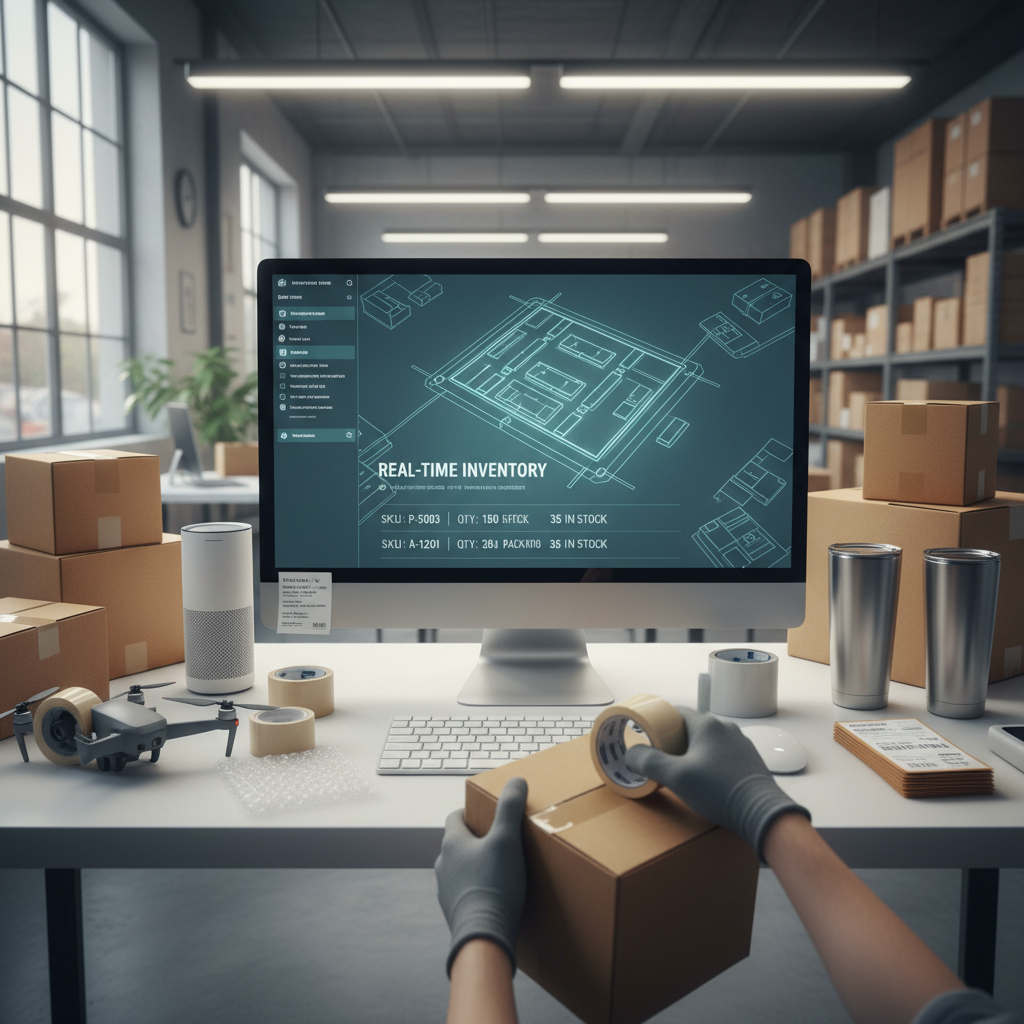
Smart technology offers a range of benefits, including enhanced inventory management, predictive maintenance, and energy efficiency. By leveraging these technologies, businesses can reduce costs and improve overall productivity. The adoption of smart solutions is becoming essential for staying competitive in today's fast-paced market.
Enhancing Inventory Management with Smart Technology
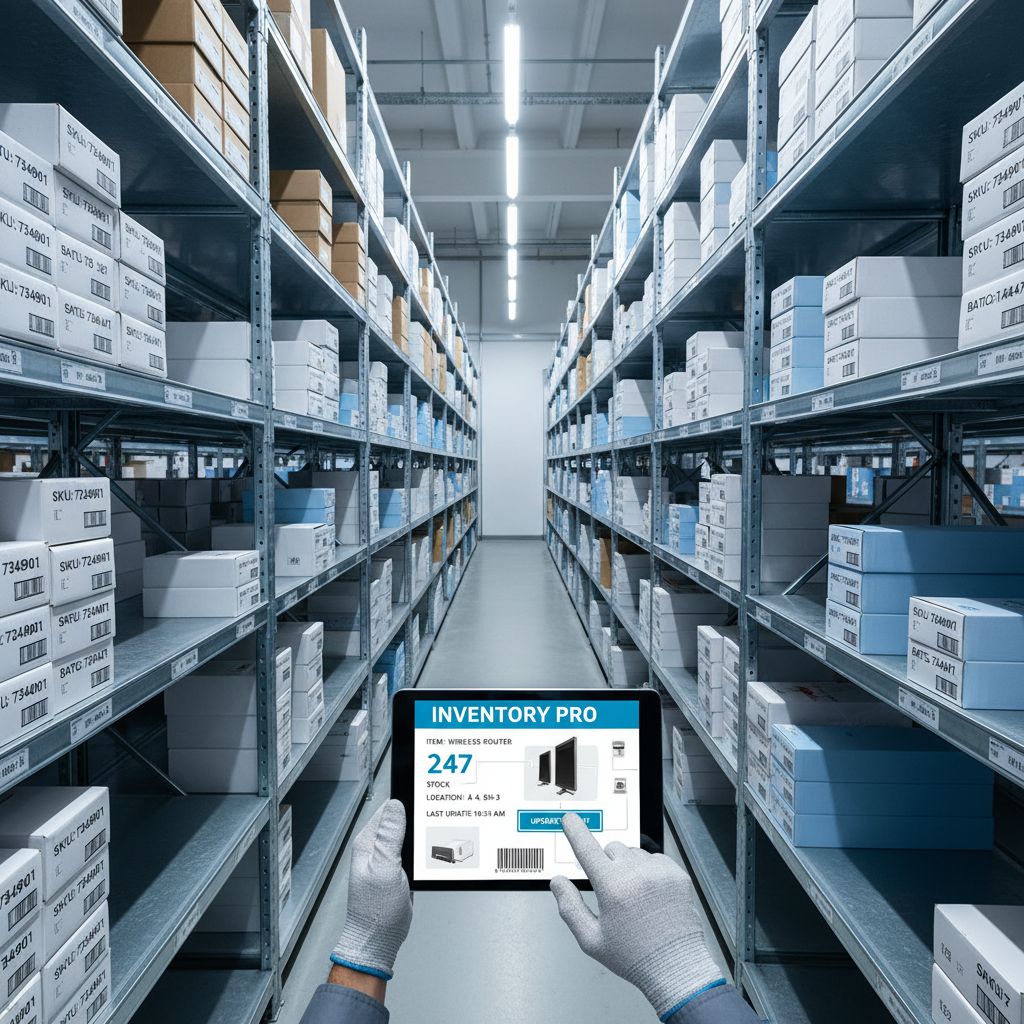
One of the most significant advantages of smart technology in warehouses is improved inventory management. IoT devices can track items in real-time, providing accurate data on stock levels, location, and movement. This ensures that warehouses maintain optimal inventory levels, reducing the risk of overstocking or stockouts.
Automated systems can also integrate with warehouse management software to streamline order processing and fulfillment. This integration enhances accuracy and speed, ensuring that customers receive their orders on time. As a result, businesses can improve customer satisfaction and foster long-term relationships.
Predictive Maintenance for Equipment Longevity
Predictive maintenance is another critical aspect of smart technology in warehouses. By using sensors and data analytics, warehouses can monitor equipment performance and predict potential failures before they occur. This proactive approach reduces downtime and extends the lifespan of machinery.
Implementing predictive maintenance not only enhances operational efficiency but also reduces repair costs. By addressing issues before they escalate, businesses can avoid unexpected expenses and maintain smooth operations.
Improving Energy Efficiency
Energy efficiency is a growing concern for many industries, and warehouses are no exception. Smart technology can significantly reduce energy consumption through automated lighting, heating, and cooling systems. By optimizing energy usage, businesses can lower their carbon footprint and reduce utility bills.
Additionally, smart meters and energy management systems provide valuable insights into energy consumption patterns. This data allows warehouse managers to identify areas for improvement and implement energy-saving strategies effectively.
Implementing Smart Technology in Your Warehouse
Integrating smart technology in a warehouse requires careful planning and execution. Here are some steps to consider:
- Assess your current operations and identify areas where smart technology can add value.
- Choose the right technology solutions that align with your business goals.
- Train your staff to ensure they are equipped to handle new systems and processes.
- Monitor and evaluate the performance of implemented technologies to ensure they meet your objectives.
By following these steps, businesses can successfully integrate smart technology and reap its benefits.
The Future of Smart Warehousing
The future of warehousing lies in the continued evolution of smart technology. As advancements in AI, IoT, and robotics continue, warehouses will become even more automated and efficient. This transformation will drive innovation and open new opportunities for businesses across various sectors.
Embracing smart technology is not just an option but a necessity for staying competitive. By investing in these technologies today, businesses can position themselves for success in the dynamic market of tomorrow.