Integrating Smart Technology in Minimalist Warehouses: A Step-by-Step Guide
Integrating smart technology into minimalist warehouses is a transformative approach that optimizes efficiency, reduces costs, and enhances productivity. In this guide, we will explore the step-by-step process for successfully incorporating smart solutions into your warehouse operations.
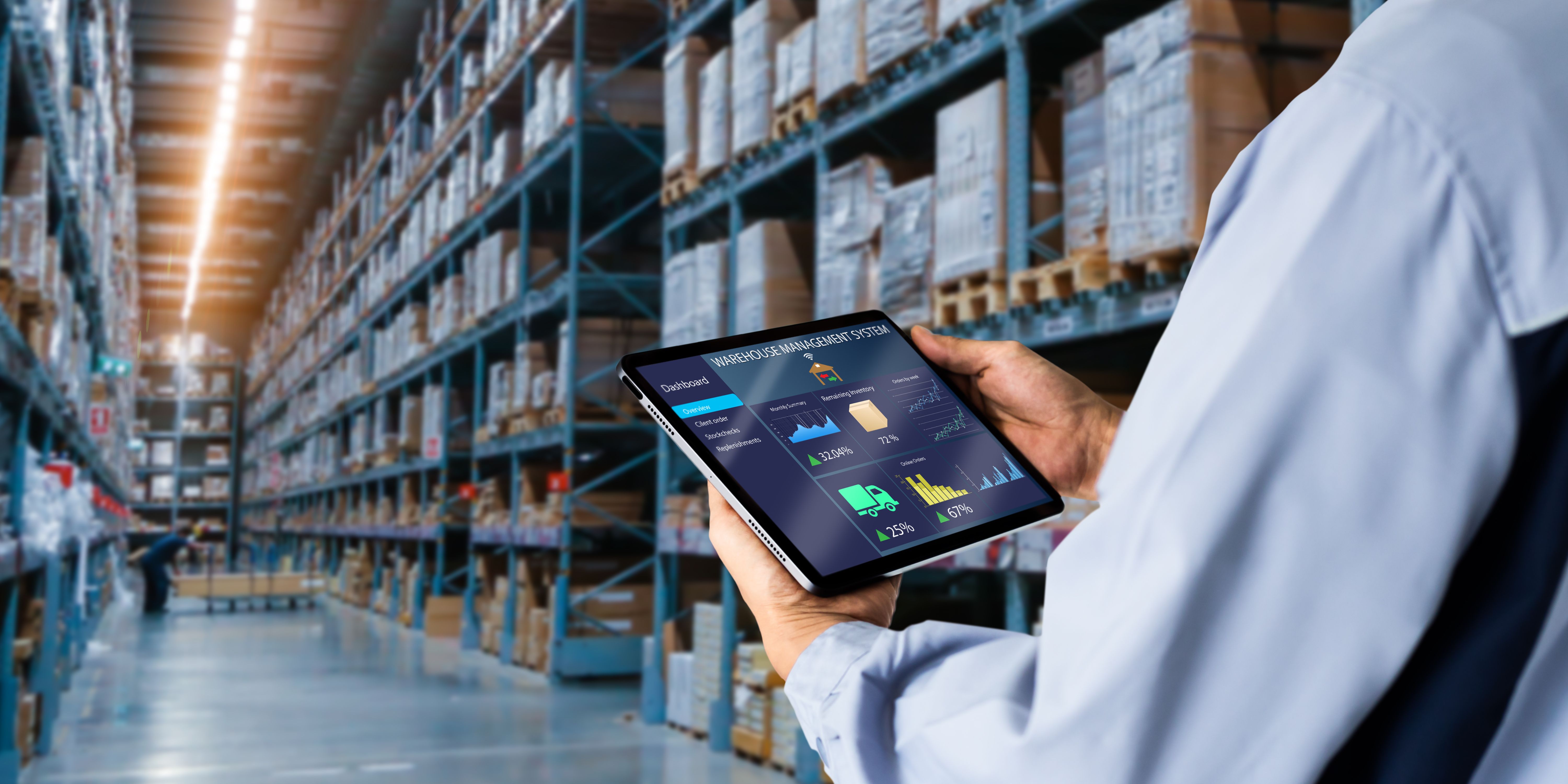
Understanding the Basics of Smart Technology
Smart technology involves using devices and systems that communicate, analyze, and automate processes. For warehouses, this includes IoT devices, sensors, and AI-driven software that can monitor inventory, track shipments, and even predict maintenance needs. Embracing these innovations can significantly streamline operations.
Key Benefits of Smart Warehouses
Implementing smart technology in warehouses offers numerous advantages. Some of the most notable include:
- Improved Inventory Management: Real-time tracking of stock levels and automated reordering.
- Enhanced Efficiency: Automation reduces manual labor and speeds up processes.
- Cost Reduction: Decreased operational costs through optimized resource use.
Preparing for Integration
Before introducing smart technology, it is essential to assess current operations and identify areas for improvement. Conduct a thorough analysis of your warehouse layout, inventory processes, and existing technology. This will help pinpoint where smart solutions can have the most impact.

Setting Clear Goals
Define what you want to achieve with smart technology. Are you looking to reduce labor costs, improve accuracy, or enhance scalability? Setting specific objectives will guide your integration strategy and help measure success.
Choosing the Right Technology
Selecting the appropriate smart technology is crucial. Consider devices and systems that align with your goals and budget. Common technologies include:
- IoT Sensors for real-time monitoring.
- Automated Guided Vehicles (AGVs) for efficient material handling.
- AI-driven analytics for data insights.
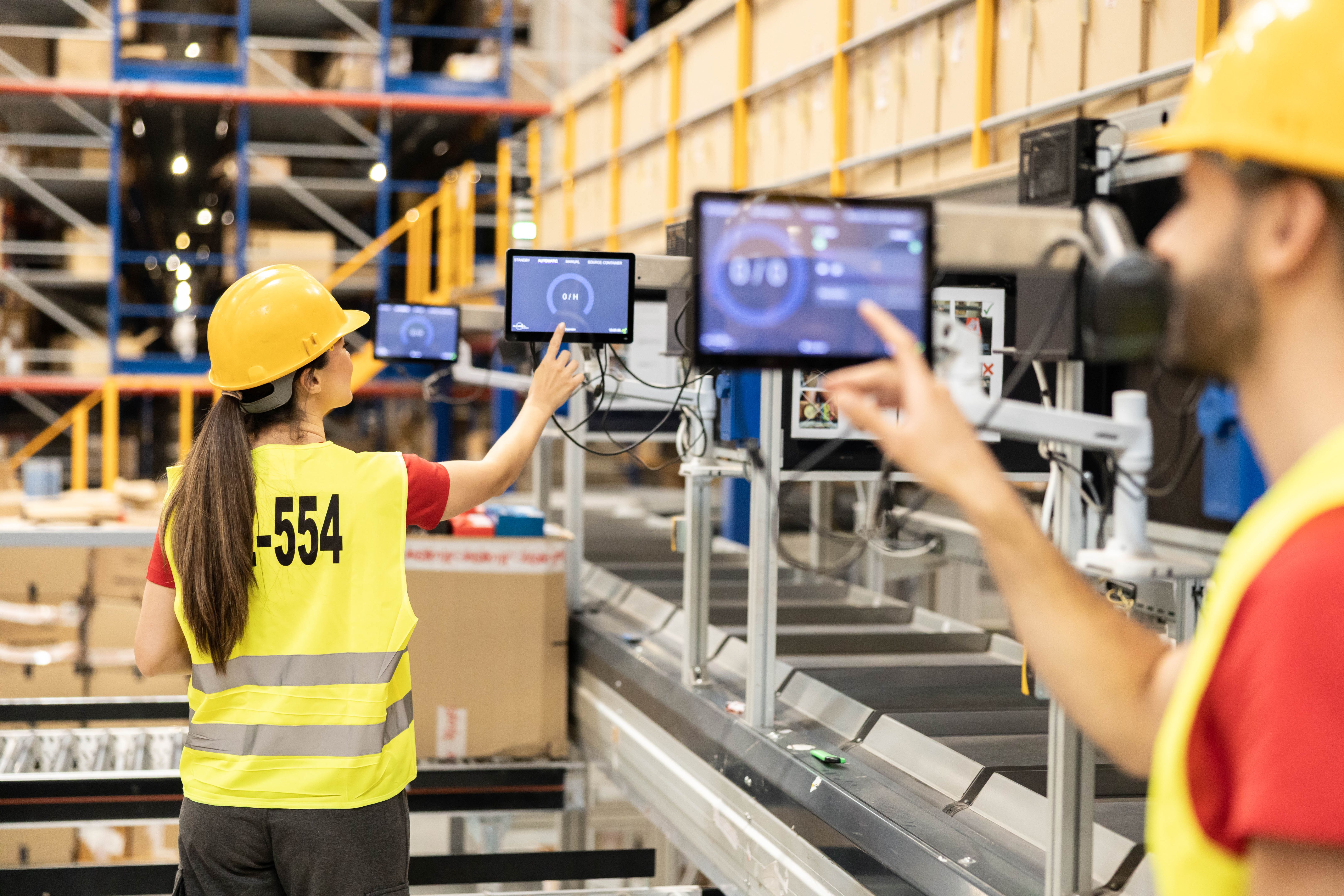
Partnering with Technology Providers
Collaborating with experienced technology providers ensures seamless integration. They can offer customized solutions and ongoing support, allowing you to focus on core business activities.
Implementing Smart Solutions
Begin with a pilot program to test the technology on a small scale. This approach allows you to identify potential issues and make necessary adjustments without disrupting overall operations.
Training and Support
Ensure that your team is well-trained in using new technologies. Providing continuous support and resources will help employees adapt to changes and maximize the benefits of smart systems.
Evaluating Success and Making Adjustments
Regularly review the performance of smart technologies to ensure they meet your objectives. Use data analytics to identify trends, make informed decisions, and optimize processes. Adjust strategies as needed to maintain and enhance efficiency.

Integrating smart technology in minimalist warehouses is a strategic move that can transform operations. By following these steps, businesses can enjoy increased efficiency, reduced costs, and a competitive edge in the ever-evolving logistics landscape.