Maximizing Efficiency: Expert Tips for Industrial Warehouse Management
In today's fast-paced industrial environment, efficient warehouse management is crucial to maintaining a competitive edge. Properly managed warehouses not only streamline operations but also reduce costs and improve customer satisfaction. Here, we share expert tips on maximizing efficiency in industrial warehouse management.
Embrace Technology
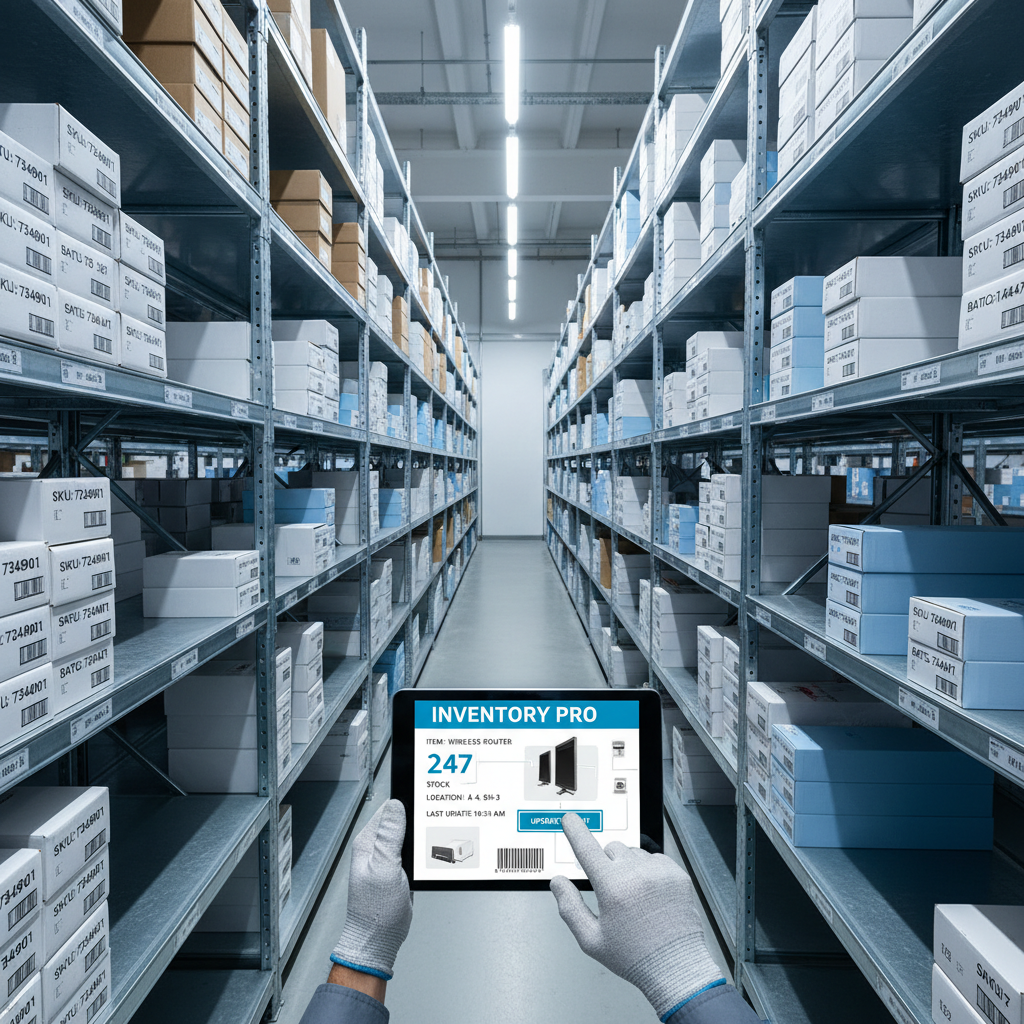
Technology plays a pivotal role in modern warehouse management. Implementing Warehouse Management Systems (WMS) can drastically improve operational efficiency. These systems offer real-time inventory tracking, optimized picking processes, and seamless integration with other business systems.
Moreover, automation technologies such as Automated Guided Vehicles (AGVs) and robotics can further enhance productivity by reducing manual labor and minimizing human error. Investing in technology is an investment in your warehouse's future.
Optimize Layout and Space Utilization
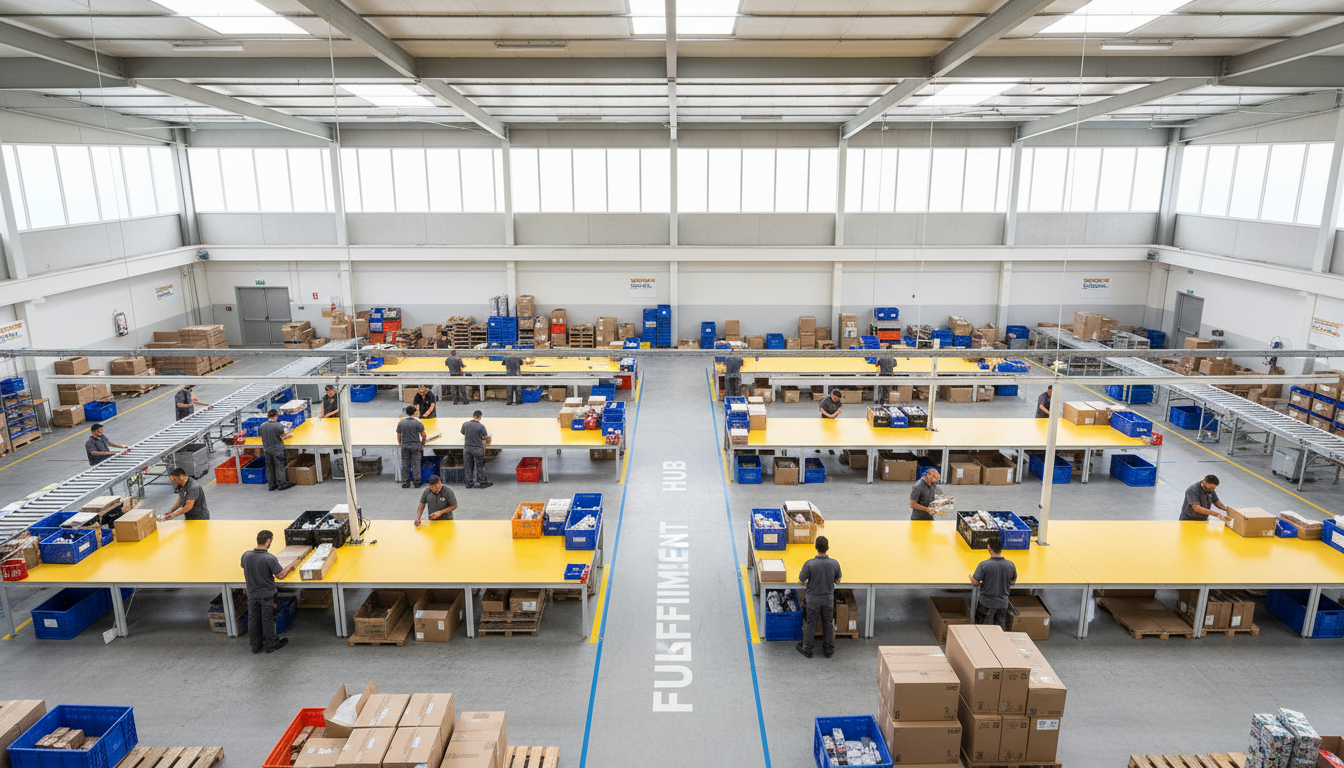
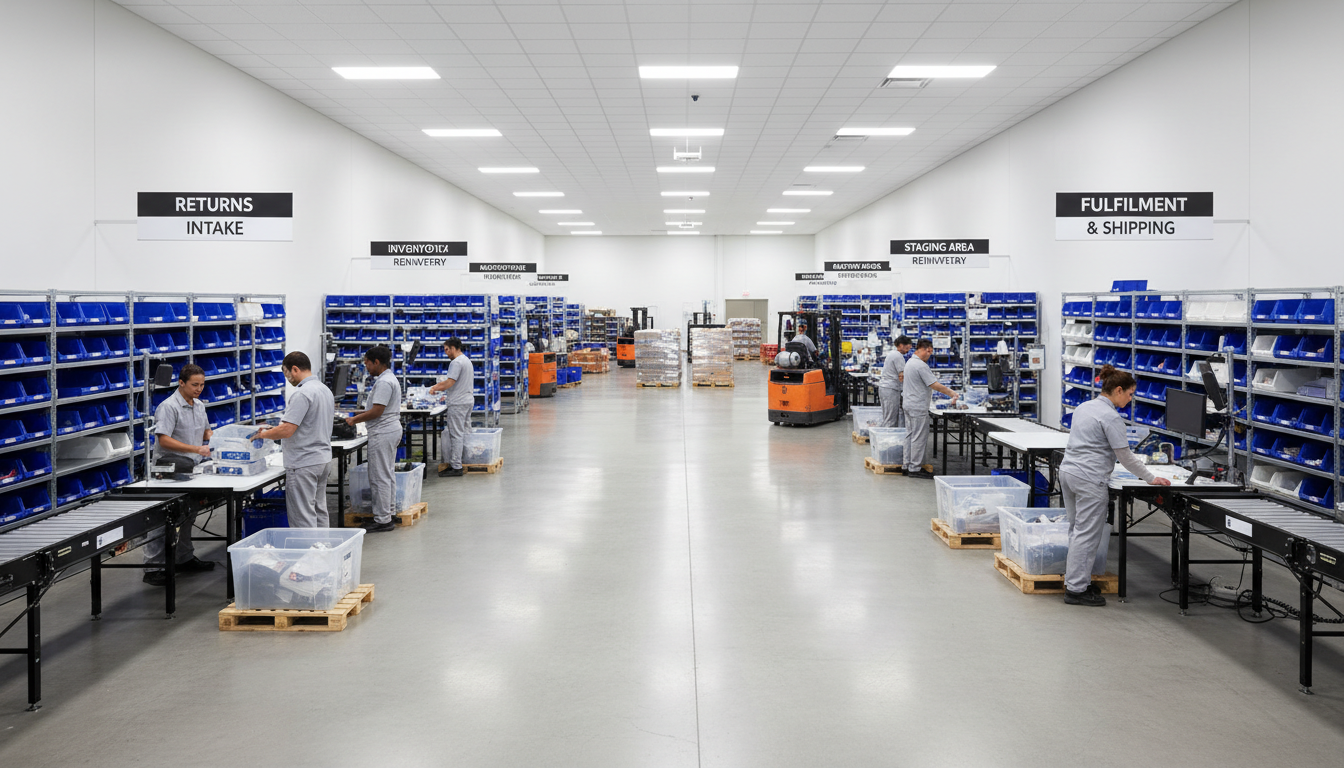
The physical layout of a warehouse significantly impacts its efficiency. An optimized layout ensures smooth workflow and reduces unnecessary movement. Consider implementing a layout design that minimizes travel time and maximizes storage space.
Use Vertical Space
Maximizing vertical space is an often-overlooked strategy. High stacking and efficient shelving can dramatically increase storage capacity without expanding the warehouse footprint. Ensure that safety protocols are in place to prevent accidents during high stacking.
Implement Lean Inventory Practices
Lean inventory management focuses on reducing waste and improving efficiency. By maintaining an optimal level of inventory, businesses can avoid overstocking and understocking, both of which can be costly.
- Conduct regular inventory audits to ensure accuracy.
- Use demand forecasting to adjust inventory levels.
- Implement Just-in-Time (JIT) inventory to reduce holding costs.
Enhance Employee Training and Safety
Well-trained employees are the backbone of an efficient warehouse. Regular training sessions ensure that staff are up-to-date with the latest technologies and best practices in warehouse management. Safety training is equally important to prevent workplace accidents.
Encourage a culture of continuous improvement where employees are motivated to identify inefficiencies and suggest improvements. A safe and efficient warehouse relies on the competence and well-being of its workforce.
Monitor and Evaluate Performance
Continuous monitoring and evaluation of warehouse performance are essential for sustained efficiency. Key Performance Indicators (KPIs) such as order accuracy, inventory turnover, and shipping time should be regularly assessed to identify areas for improvement.

Utilize data analytics to gain insights into operational trends and make informed decisions. By staying proactive and adaptable, warehouses can maintain high levels of efficiency and customer satisfaction.
In conclusion, maximizing efficiency in industrial warehouse management involves a combination of technology adoption, strategic layout planning, lean inventory practices, employee training, and continuous performance evaluation. By implementing these expert tips, warehouses can achieve their operational goals and drive business success.