Modern Industrial Warehouses: Balancing Aesthetics and Functionality
In recent years, the design of industrial warehouses has evolved significantly. No longer just vast, utilitarian spaces, modern industrial warehouses are now being designed with both aesthetics and functionality in mind. This shift reflects the growing recognition that a well-designed space can enhance productivity, employee satisfaction, and even brand image.
The traditional warehouse was mainly focused on storage efficiency and cost-effectiveness. However, as businesses recognize the importance of environment on worker morale and efficiency, there's been a push to create spaces that are not only functional but also visually appealing. This balance between aesthetics and functionality is becoming a critical consideration in the design and construction of modern warehouses.
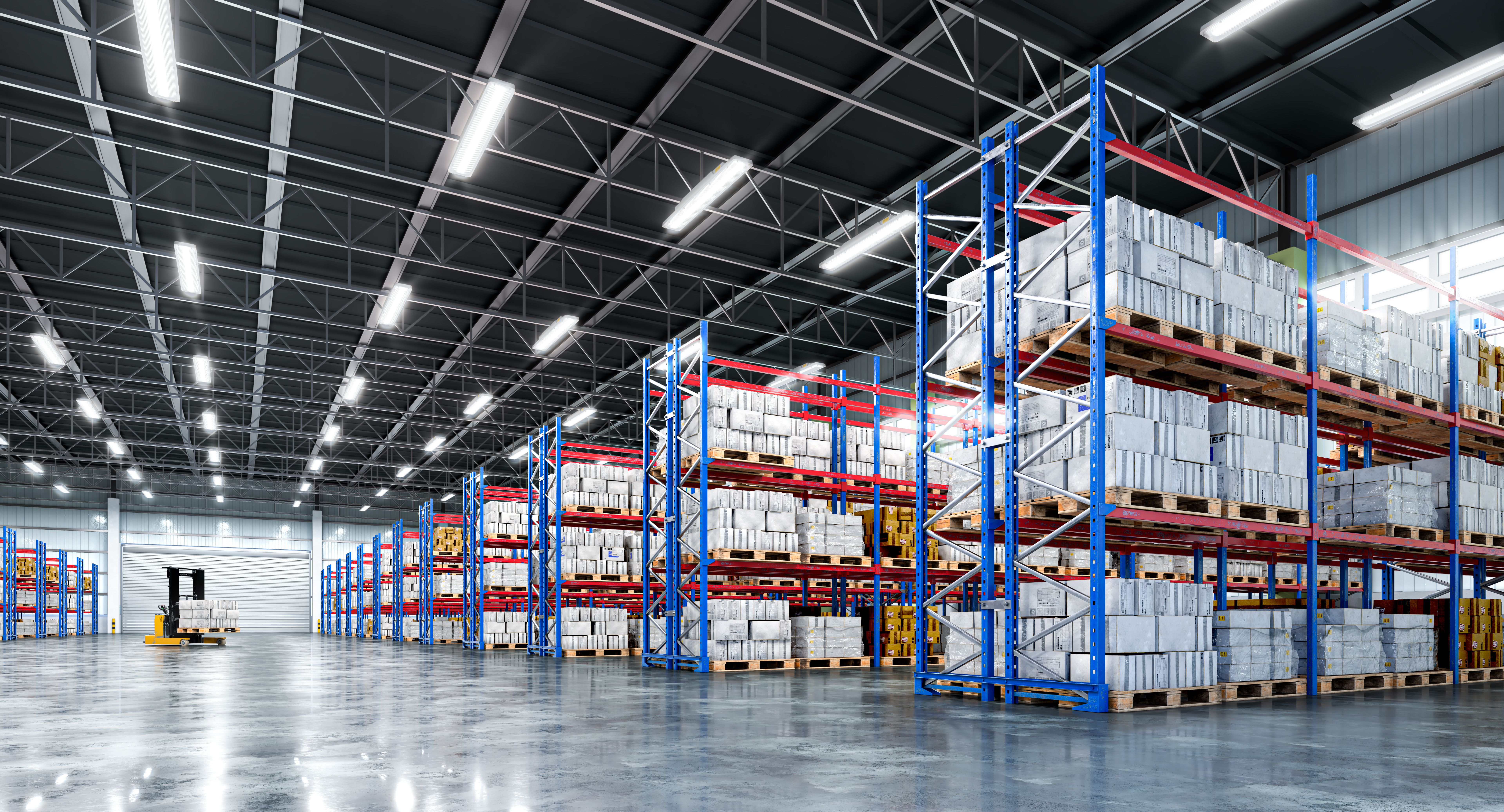
Incorporating Aesthetic Elements
One of the most noticeable trends in modern warehouse design is the incorporation of aesthetic elements. From large windows that allow for natural light to sleek, modern finishes, these spaces are transforming into more inviting environments. The use of color and branding within the warehouse can also enhance the overall atmosphere, making the space feel more cohesive and aligned with the company's identity.
Furthermore, landscaping around the warehouse is gaining attention. Green spaces and outdoor areas not only improve the external appearance but also provide a place for employees to relax and recharge. Such elements are becoming increasingly important as companies strive to create pleasant working environments.
Functionality Remains Paramount
Despite the focus on aesthetics, functionality remains a core concern in warehouse design. The layout needs to optimize workflow, ensuring that goods can be moved efficiently from one area to another. This involves strategic planning of storage areas, loading docks, and office spaces to minimize unnecessary movement and maximize productivity.
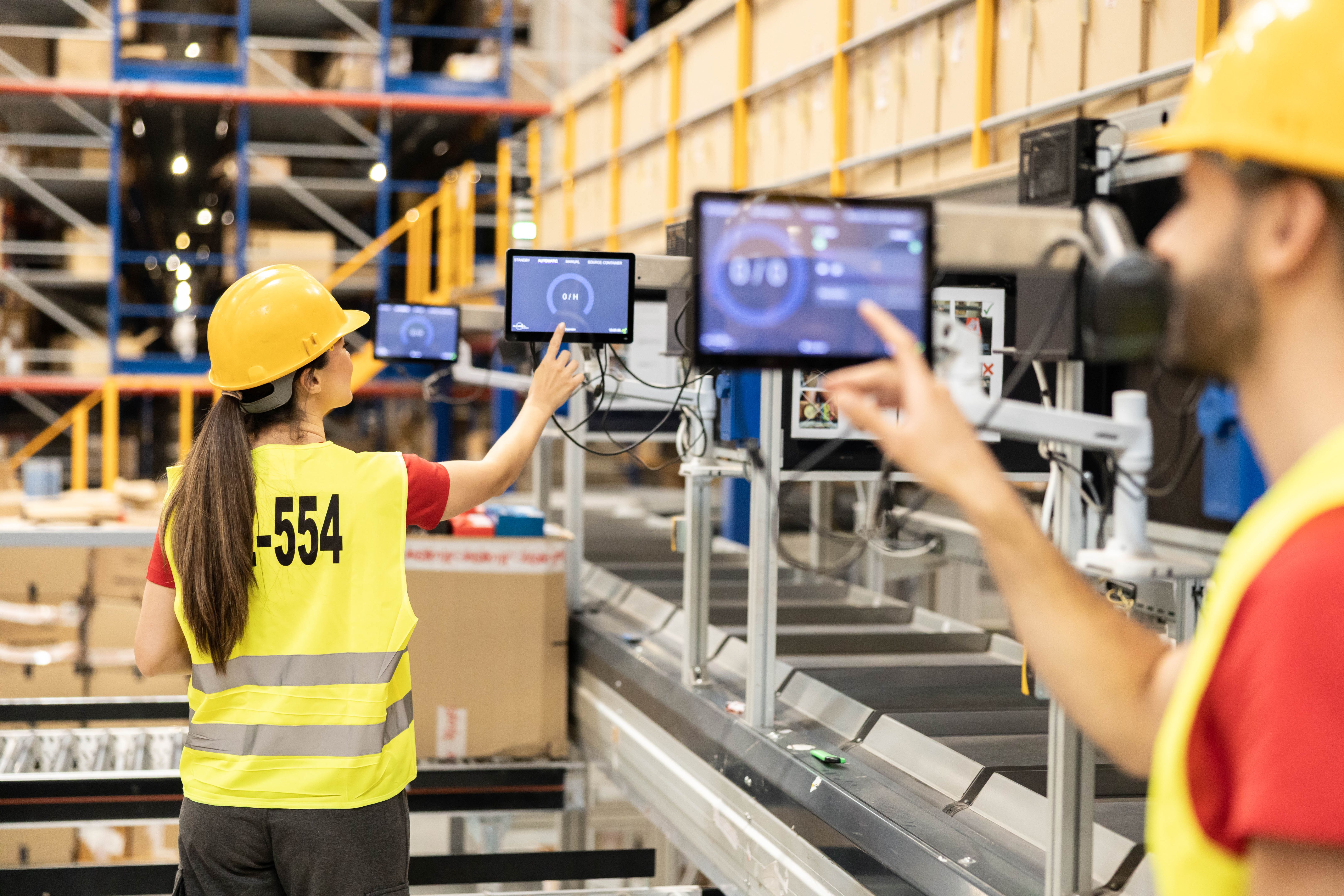
Advanced technology is playing a pivotal role in enhancing functionality. Automated systems, smart inventory management, and real-time data tracking are all integrated into modern warehouse designs, allowing for seamless operations and increased efficiency.
Sustainable Design Practices
Another important aspect of modern warehouse design is sustainability. As environmental concerns grow, businesses are increasingly looking to reduce their carbon footprint. This involves using sustainable building materials, incorporating energy-efficient systems, and implementing waste reduction practices.
Green roofs, solar panels, and rainwater harvesting systems are becoming common features in new warehouse constructions. These elements help reduce environmental impact and can also lead to cost savings in the long run.
The Future of Warehouse Design
Looking ahead, the trend towards balancing aesthetics and functionality in warehouse design is likely to continue. As technology advances and environmental considerations become even more pressing, warehouses will likely become smarter and more sustainable.
By focusing on creating spaces that are both efficient and aesthetically pleasing, companies can foster a more productive and satisfying workplace. This holistic approach to design not only benefits the employees but also enhances the overall business operations and brand image.