Seasonal Storage Solutions: Preparing Your Warehouse for Peak Times
Understanding Seasonal Demand
As seasons change, so do the demands placed on warehouses. Retailers, manufacturers, and distributors often face fluctuating storage needs, particularly during peak times like holidays or harvest seasons. Anticipating these changes can make the difference between a smooth operation and a logistical nightmare. Understanding the seasonal demand patterns specific to your industry is crucial for effective warehouse management.

Assessing Your Current Storage Capacity
Before the peak season hits, it's essential to assess your current storage capacity. Start by conducting an inventory audit to determine how much space is available and how efficiently it's being utilized. Consider factors such as shelving layout and the potential for vertical storage to maximize your space. Knowing your limits will help you plan more effectively for incoming stock.
Optimizing Space Utilization
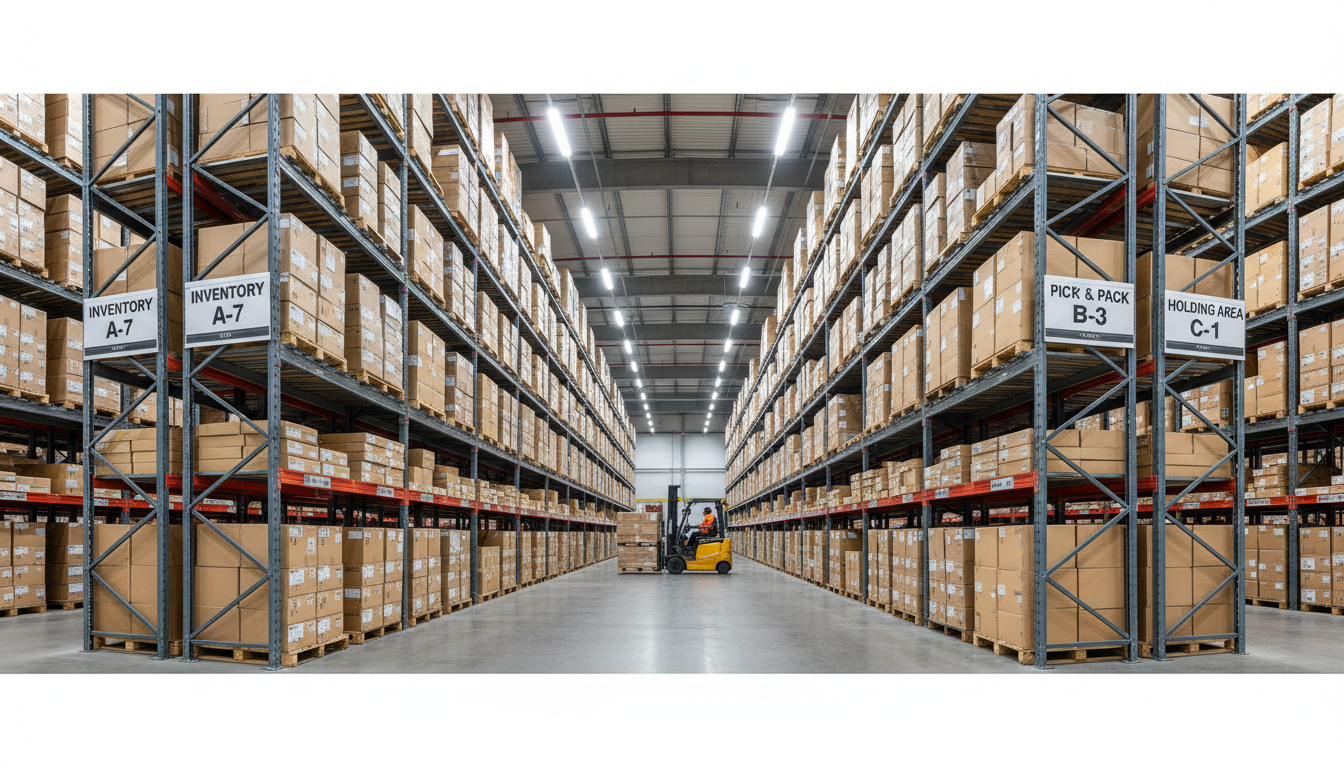
Maximizing your warehouse's available space can help accommodate the increased inventory that often comes with peak times. One strategy is to implement a dynamic storage system, which allows for flexible and efficient use of space. This can involve reconfiguring shelving units or using mobile racking systems to create additional room when needed.
Implementing Advanced Inventory Management
Advanced inventory management systems can offer real-time insights into stock levels and flow, helping you make informed decisions. Implementing software that tracks inventory can reduce errors and increase efficiency. This technology allows for accurate forecasting, ensuring you have the right amount of stock at the right time.
Staffing for Success
During peak seasons, having the right workforce in place is just as important as managing inventory. Consider hiring temporary staff to handle the increased workload. Training your team before the rush ensures they are prepared and efficient, minimizing errors and delays. A well-prepared team can handle the pressures of peak times smoothly.
Enhancing Safety Measures
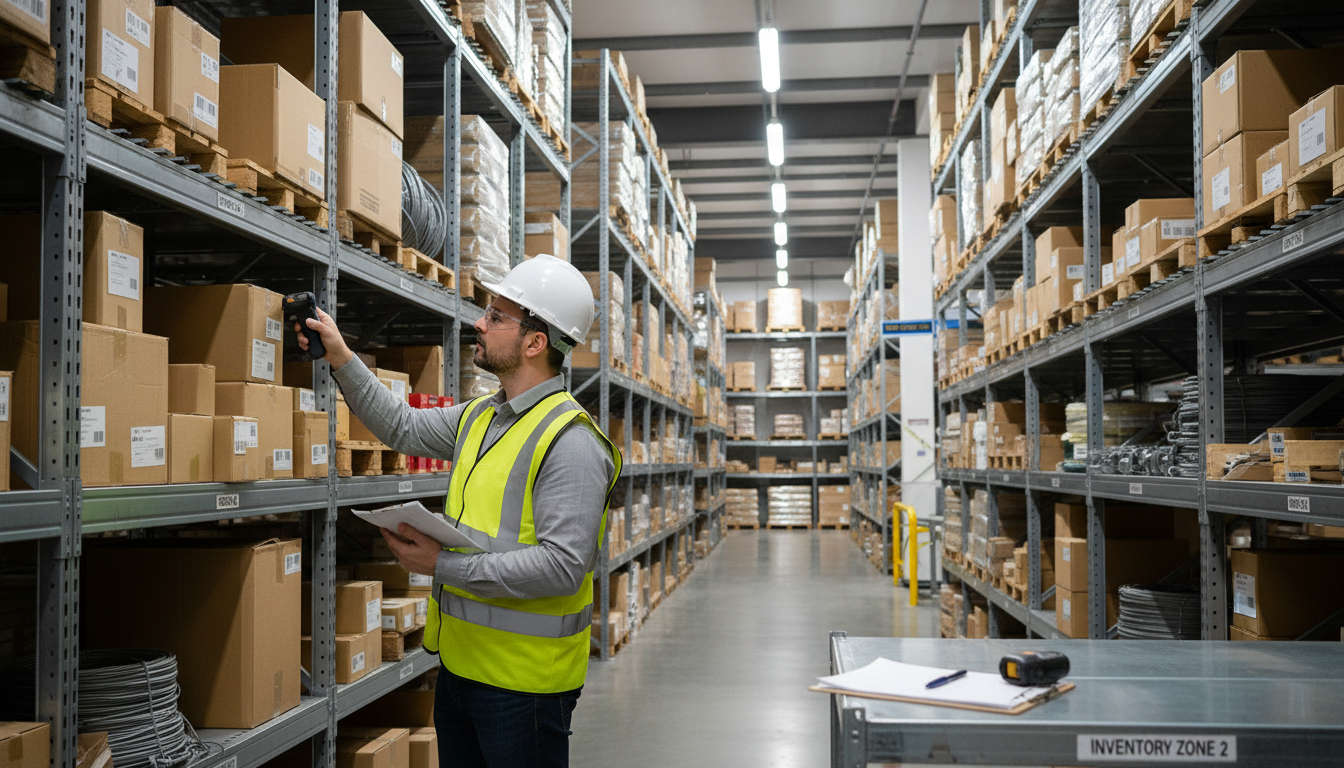
With increased activity, safety becomes even more critical. Ensure all safety protocols are up to date and that staff are trained in best practices. Regular safety audits can prevent accidents and ensure compliance with regulations. Safety not only protects your team but also ensures uninterrupted operations during busy times.
Streamlining Logistics and Distribution
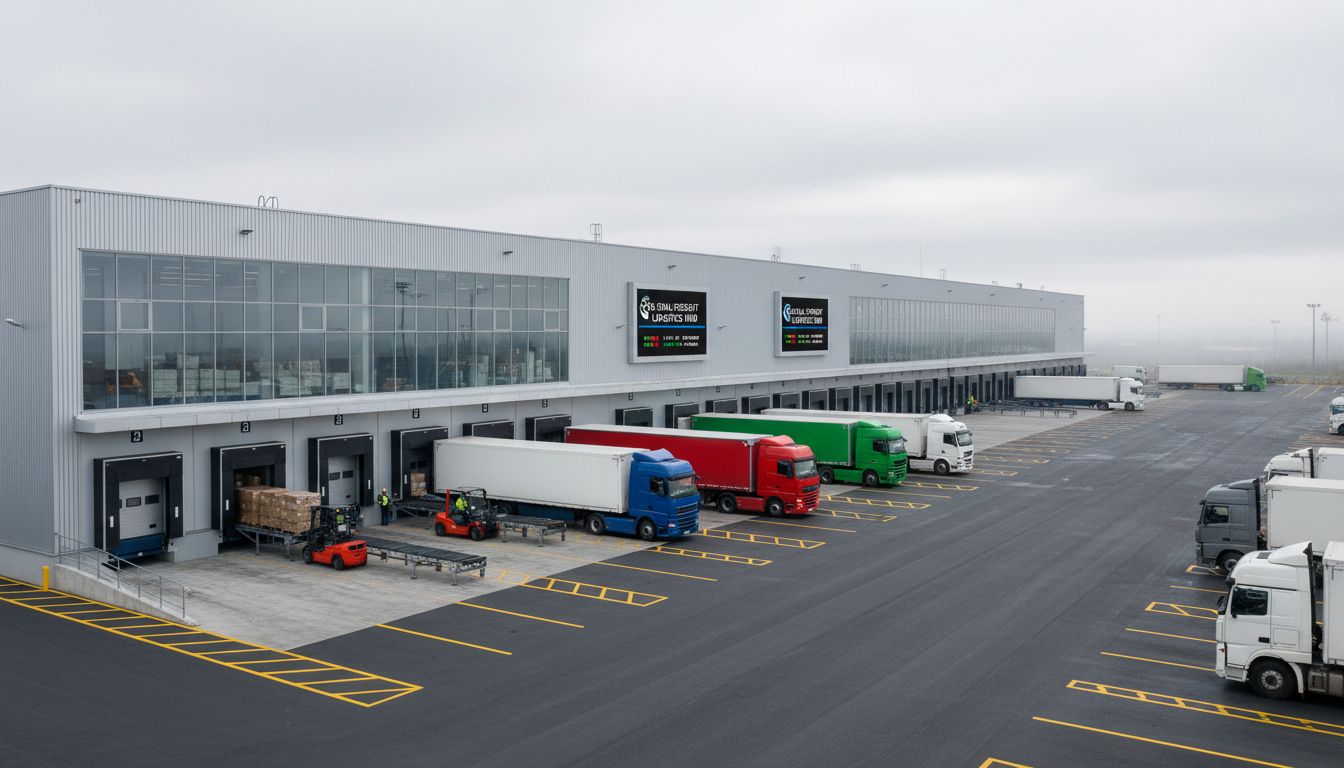
Efficient logistics and distribution are key to managing peak season demands. Consider optimizing routes and schedules to improve delivery times and reduce costs. Collaborating with reliable transport partners can further enhance your distribution network, ensuring that goods reach their destinations promptly and safely.
Evaluating and Adapting Post-Season
Once the peak season concludes, take the time to evaluate your performance. Analyze what strategies worked and identify areas for improvement. Gathering feedback from staff and partners can provide valuable insights. Adapting your approach based on this evaluation ensures better preparedness for future peak times.
In conclusion, preparing your warehouse for seasonal peaks involves strategic planning, optimizing resources, and adapting to changes. By focusing on these areas, you can ensure a smooth and successful operation, regardless of the season.