Seasonal Storage Solutions in Warehouses: Preparing for Changing Needs
As the seasons change, so do the storage needs of many businesses. Warehouses play a pivotal role in managing inventory fluctuations that come with different times of the year. Preparing for these changes requires strategic planning and efficient storage solutions.
Understanding Seasonal Demand
Seasonal demand can significantly impact how businesses manage their inventories. For example, retailers often see an increase in stock requirements during the holiday season, while agricultural businesses may have different needs based on the planting and harvest cycles. Understanding these patterns is crucial for optimizing warehouse storage.
Businesses should analyze past data to predict future trends. This helps in planning the amount of space required and the type of storage solutions needed. By anticipating these changes, companies can ensure that they are ready to meet customer demands without overstocking or understocking.
Flexible Storage Solutions
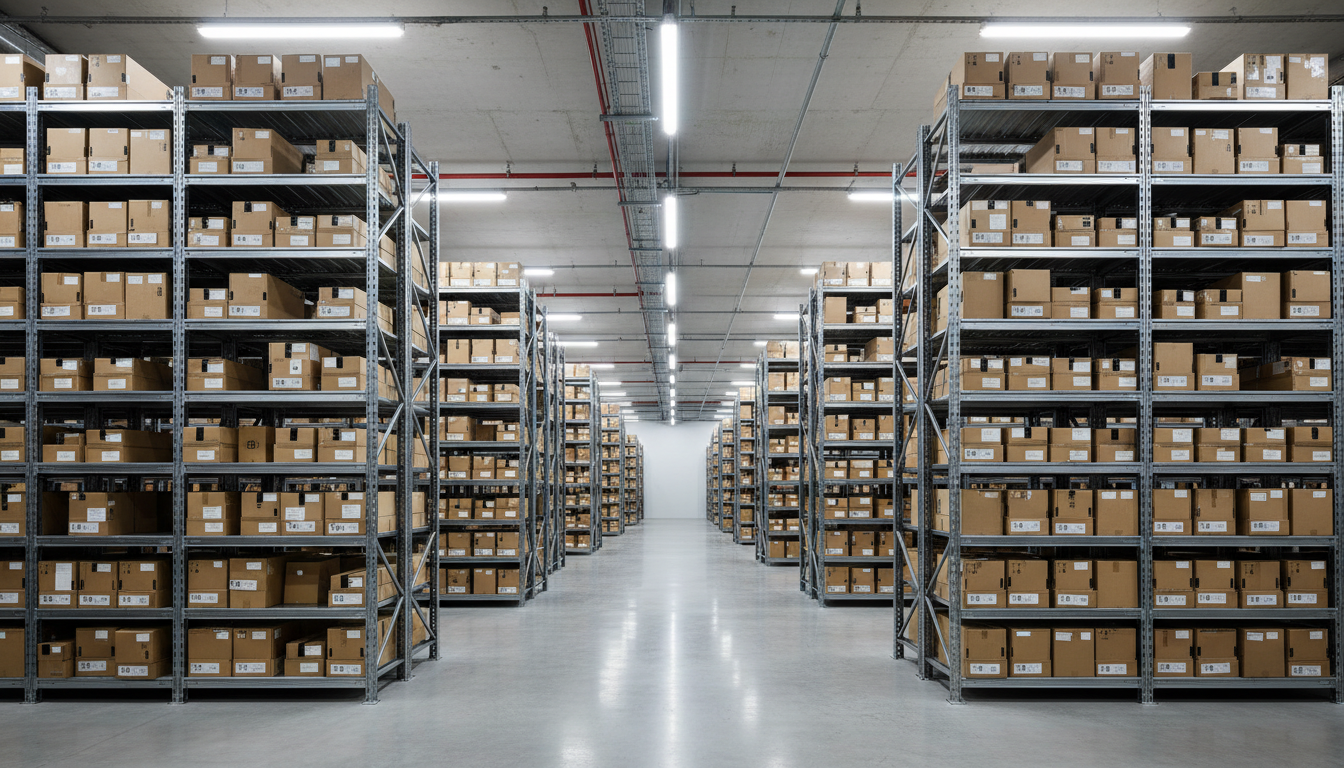
One way to adapt to changing needs is by implementing flexible storage solutions. This might include adjustable shelving, modular racking systems, or even temporary storage units. Flexibility allows warehouses to accommodate varying inventory sizes and types efficiently.

Additionally, using automated storage and retrieval systems can enhance efficiency. These systems help in quickly accessing stored items, reducing the time needed to fulfill orders, which is particularly beneficial during peak seasons.
Temperature and Humidity Control
Seasonal changes can also affect the conditions inside a warehouse. Temperature and humidity control is essential for preserving the quality of certain goods. For instance, perishable items and sensitive electronics may require specific environmental conditions.
Investing in climate control systems can prevent spoilage and damage, ensuring that products remain in optimal condition year-round. Monitoring these systems regularly can help in maintaining the right conditions, adapting as outside weather changes.

Organizing for Efficiency
Efficient organization is key to handling seasonal inventory changes. Implementing a well-thought-out layout that considers both current and future needs can streamline operations. This includes categorizing products based on demand frequency and accessibility.
A dynamic warehouse management system (WMS) can also be a valuable tool. It provides real-time insights into inventory levels and locations, helping in making informed decisions quickly. This technology can adapt to changing needs, providing a robust solution for seasonal fluctuations.
Conclusion
Preparing for seasonal storage solutions in warehouses involves understanding demand patterns, implementing flexible and efficient systems, and maintaining optimal environmental conditions. By planning proactively, businesses can ensure they meet customer demands efficiently, regardless of the season.
With the right strategies in place, warehouses can become more resilient and adaptable, turning seasonal challenges into opportunities for growth and success.