The Future of Industrial Warehousing: Trends in Minimalist Design
In recent years, the industrial warehousing sector has undergone significant transformation, with minimalist design emerging as a key trend. This approach not only enhances aesthetic appeal but also optimizes functionality, efficiency, and sustainability. As businesses look to modernize their operations, understanding these trends is crucial.
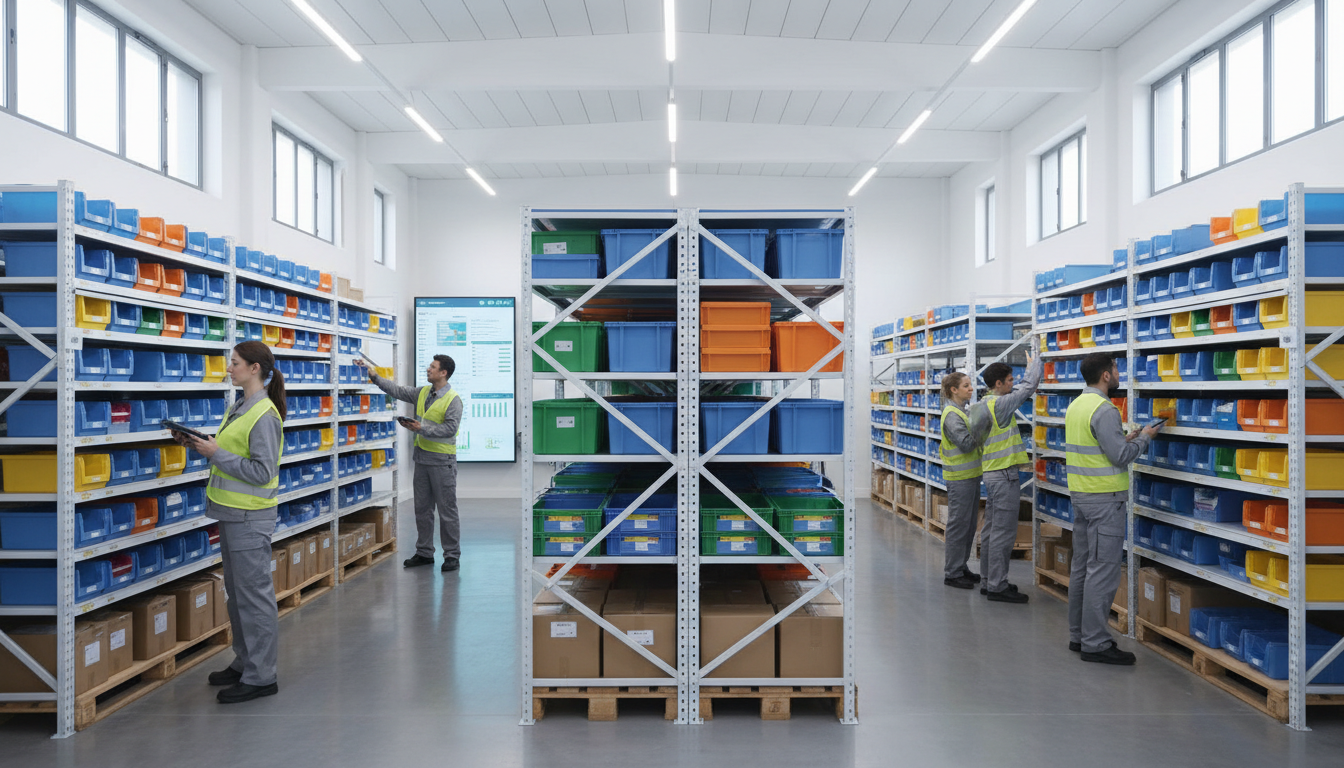
Embracing Simplicity
Minimalist design is characterized by simplicity, clean lines, and a focus on essential elements. In warehousing, this translates to spaces that reduce clutter, improve organization, and streamline operations. By eliminating unnecessary components, businesses can focus on what truly matters: efficiency and productivity.
One of the primary benefits of minimalist design is its ability to create a more organized workspace. This design philosophy encourages the use of modular systems and adaptable layouts, which can be easily reconfigured to meet changing business needs.
Optimizing Space Utilization
Effective space utilization is at the heart of minimalist warehousing. By leveraging vertical space and utilizing innovative storage solutions, warehouses can significantly increase their storage capacity without expanding their physical footprint. This is particularly important as urban areas face space constraints.
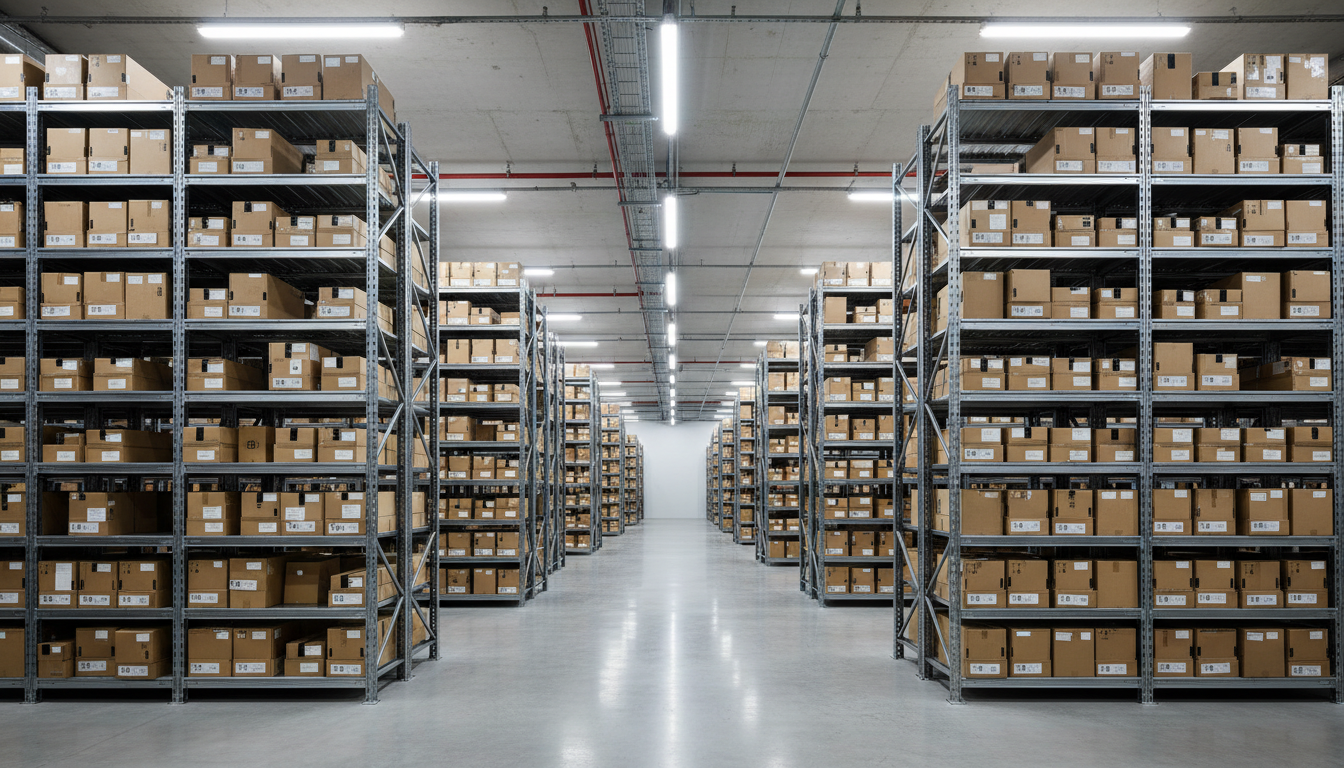
Implementing automated storage and retrieval systems (AS/RS) can also enhance space utilization. These technologies maximize storage density while minimizing human error and labor costs, aligning perfectly with minimalist principles.
Integration of Technology
Technology plays a pivotal role in the future of industrial warehousing. The integration of smart technologies, such as IoT and AI, enables real-time monitoring and data-driven decision-making. These tools contribute to a more efficient and responsive supply chain.
Moreover, technologies like augmented reality (AR) can improve warehouse operations by offering real-time guidance to workers, reducing errors, and enhancing overall productivity. This integration of technology supports the minimalist ethos by simplifying complex processes.

Sustainability and Environmental Impact
Minimalist design in warehousing is also closely linked to sustainability. By reducing material usage and optimizing energy consumption, businesses can lower their environmental footprint. Energy-efficient lighting, such as LED systems, and the use of sustainable materials are becoming standard practice.
Additionally, incorporating green building certifications and renewable energy sources, like solar panels, aligns with both minimalist and sustainable goals. This not only benefits the environment but also reduces operational costs in the long run.
The Human Element
While technology and design are critical, the human element remains a vital consideration in minimalist warehousing. Creating ergonomic and safe working environments is essential for employee well-being and productivity. A minimalist approach often results in less crowded and more intuitive spaces, reducing the risk of accidents and improving job satisfaction.
In conclusion, the future of industrial warehousing is being shaped by minimalist design trends that emphasize simplicity, technology integration, and sustainability. By adopting these principles, businesses can enhance their operations, reduce costs, and contribute to a more sustainable future.