The Rise of Modern Industrial Warehouses: Design and Functionality
Introduction to Modern Industrial Warehouses
The landscape of industrial warehouses has evolved significantly over the past few decades. With advancements in technology and changing consumer demands, these structures have transformed from basic storage spaces into complex hubs of activity. Modern warehouses are designed with both functionality and efficiency in mind, making them integral to the supply chain.
Design Innovations in Warehousing
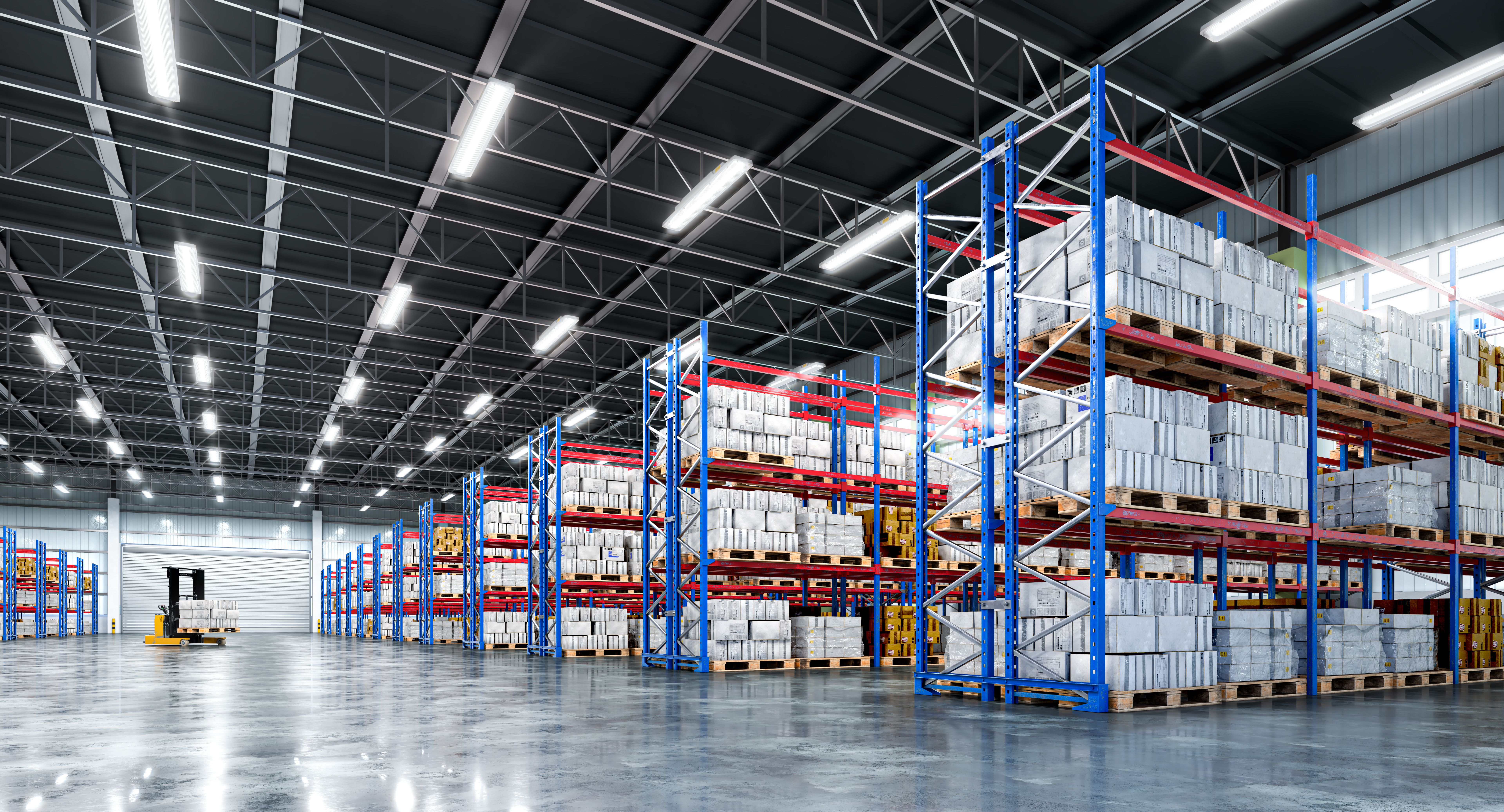
One of the most striking changes in warehouse design is the incorporation of sustainable practices. Developers are now focusing on eco-friendly materials and energy-efficient systems to reduce the carbon footprint of these massive structures. Green roofs, solar panels, and advanced HVAC systems are becoming common features.
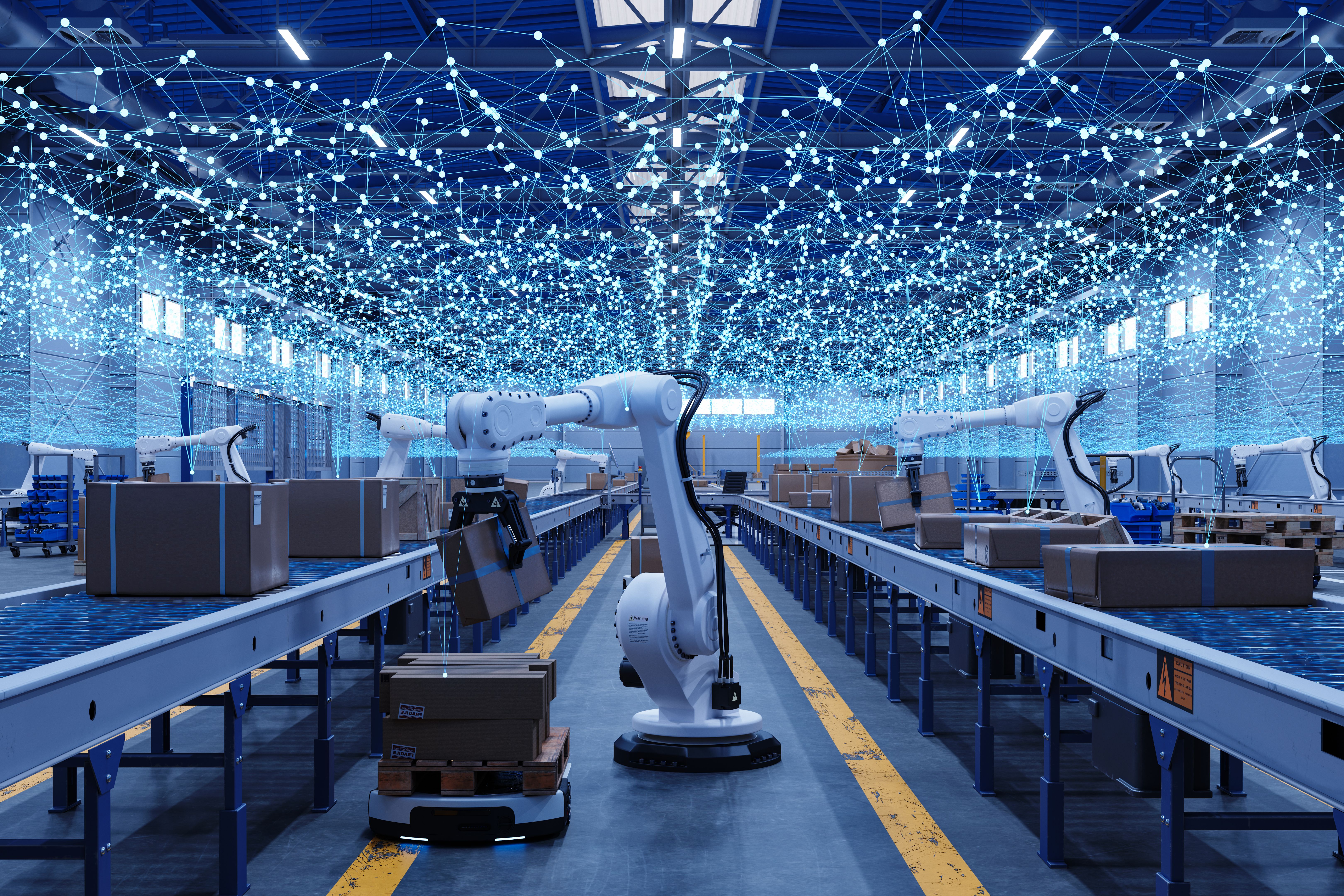
Another key design innovation is the use of automation. Automated storage and retrieval systems (AS/RS) are revolutionizing how goods are handled within warehouses. These systems allow for faster processing times and reduce the need for manual labor, leading to significant cost savings.
Functionality and Efficiency
Functionality is at the heart of modern warehouse design. With the rise of e-commerce, warehouses must now be equipped to handle a wide variety of products and manage quick turnaround times. This has led to the development of multi-level racking systems and optimized floor layouts to maximize space utilization.
Furthermore, the integration of advanced software systems allows for real-time inventory management. This technology ensures that stock levels are always accurate, which is crucial for businesses that rely on just-in-time delivery models.
Technology and Connectivity
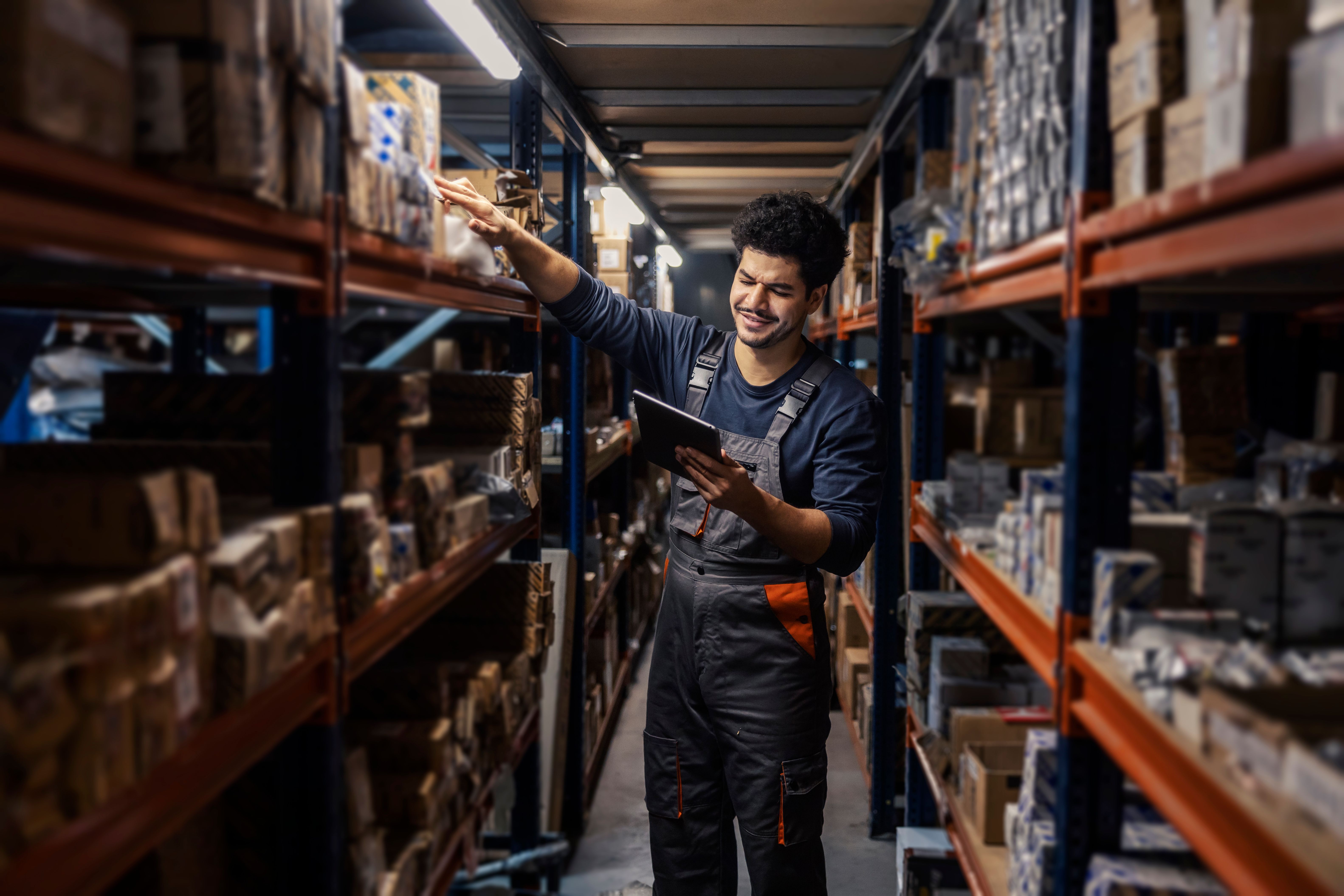
Technology plays a pivotal role in the transformation of industrial warehouses. The Internet of Things (IoT) and artificial intelligence (AI) are being leveraged to enhance operational efficiency. IoT devices can monitor equipment health and track inventory, while AI algorithms optimize picking routes and forecast demand.
Connectivity is also crucial for seamless operations. Modern warehouses are equipped with robust Wi-Fi networks and integrated communication systems to ensure that all devices and personnel are always connected. This connectivity facilitates better coordination and faster decision-making.
Challenges and Solutions
Despite the advancements, warehouses face several challenges. The initial cost of implementing advanced technologies can be high, and there is a continuous need for skilled personnel to manage these systems. However, the long-term benefits often outweigh the initial investment.
To address these challenges, companies are investing in training programs and partnerships with tech providers. This ensures that their workforce is equipped with the necessary skills to adapt to the changing landscape of warehousing.
The Future of Industrial Warehousing
As technology continues to advance, the future of industrial warehousing looks promising. We can expect further integration of automated systems and the increased use of data analytics to drive efficiency. Additionally, the focus on sustainability will likely grow, with more warehouses adopting green building practices.
In conclusion, the rise of modern industrial warehouses is a testament to the power of innovation. By embracing new technologies and design principles, these structures are set to become even more critical components of the global supply chain.