The Role of Technology in Modern Warehouse Logistics
Introduction
In today's fast-paced world, technology plays a crucial role in the evolution of various industries, and warehouse logistics is no exception. The integration of advanced technologies has revolutionized how warehouses operate, making processes more efficient and cost-effective.
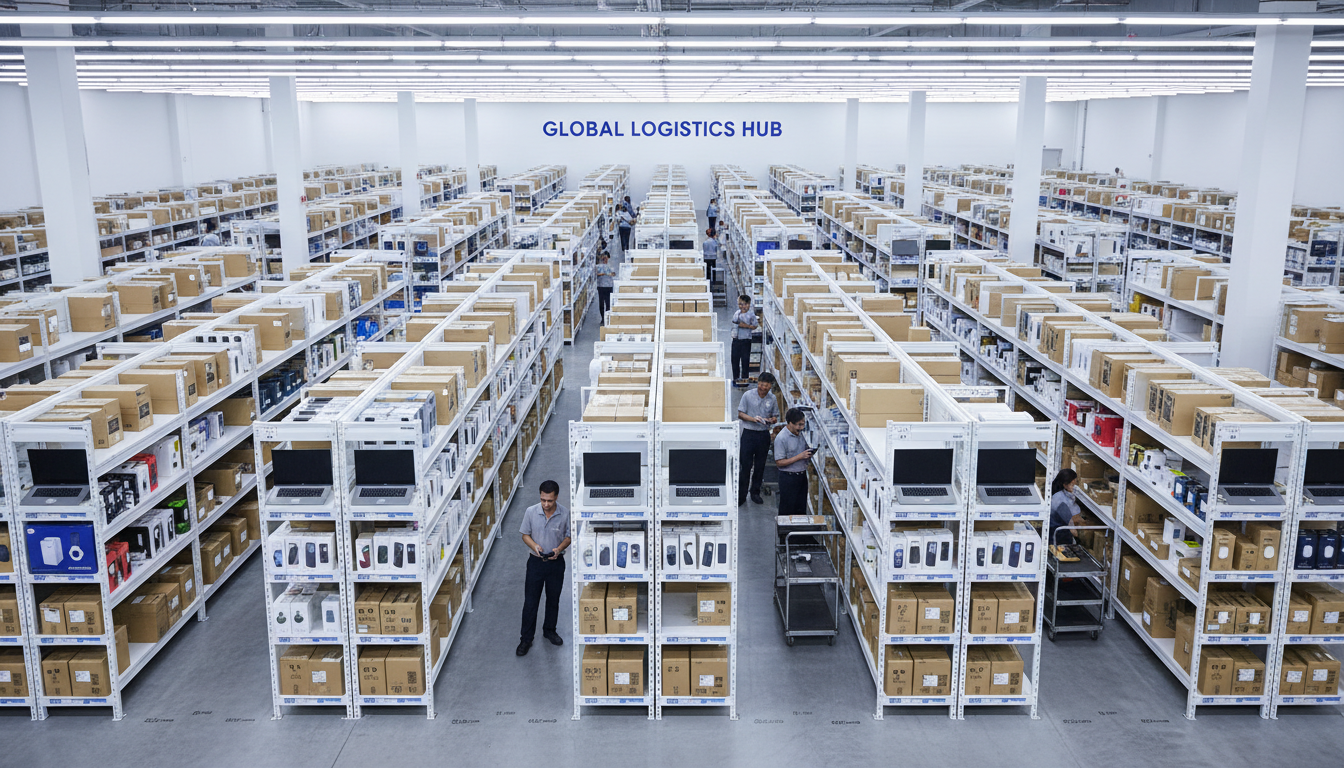
Automation in Warehousing
One of the most significant technological advancements in warehouse logistics is automation. Automated systems, including robotics and conveyor belts, streamline the movement of goods, reducing the need for manual labor. This not only increases efficiency but also minimizes human error.
Robotic systems are capable of handling repetitive tasks with precision, such as sorting, packing, and transporting goods. This allows human workers to focus on more complex tasks, enhancing overall productivity.
Automated Storage and Retrieval Systems (AS/RS)
AS/RS technology is another game-changer in warehouse logistics. These systems automate the storage and retrieval of products, ensuring quick and accurate order fulfillment. They optimize space utilization and improve inventory management, leading to significant cost savings.
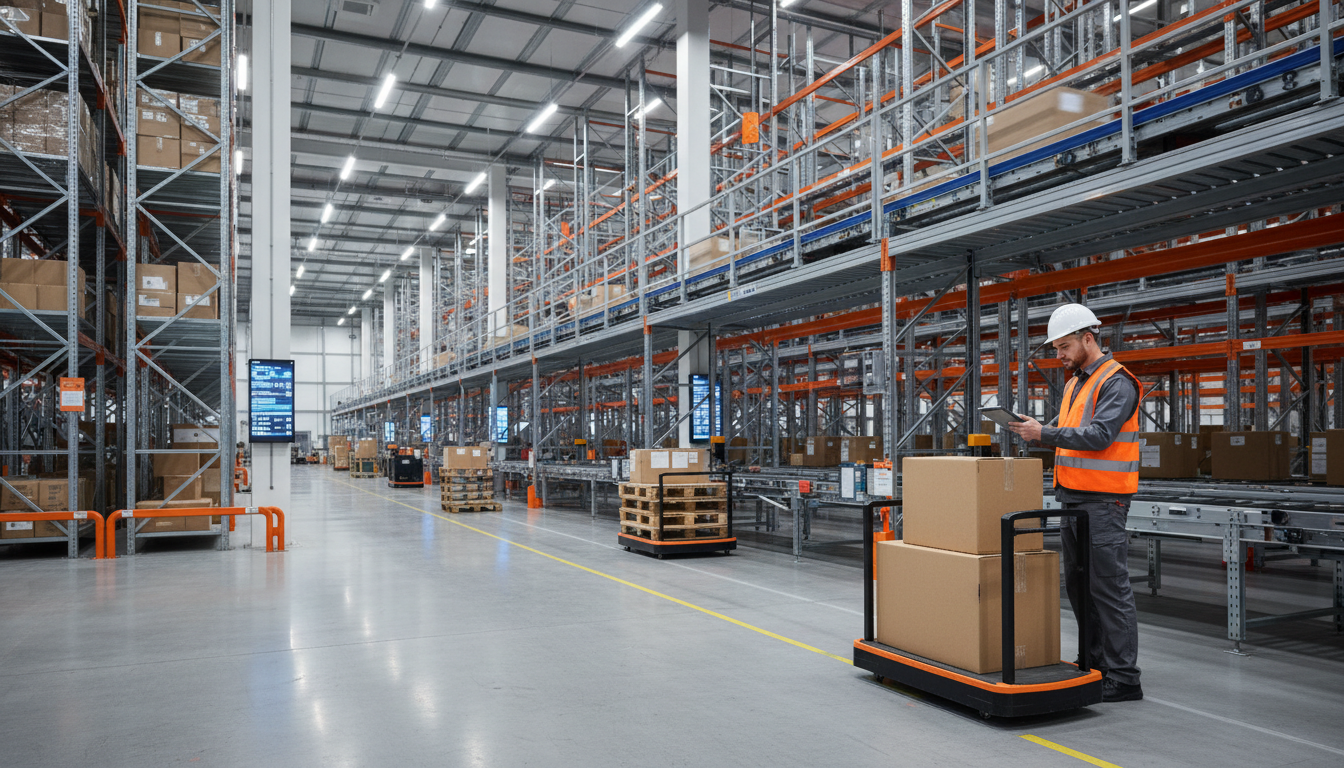
Data Analytics and Inventory Management
Data analytics has become an integral part of modern warehouse logistics. By leveraging big data, warehouses can gain insights into inventory levels, demand patterns, and operational efficiency. This data-driven approach allows for more informed decision-making and strategic planning.
Real-time inventory management systems provide up-to-date information on stock levels, helping prevent overstocking or stockouts. This ensures that customers receive their orders promptly, enhancing customer satisfaction.
Predictive Analytics
Predictive analytics takes data analysis a step further by forecasting future trends and demands. Warehouses can use this information to adjust their operations proactively, ensuring they meet customer needs and optimize resources.

Internet of Things (IoT) in Warehousing
The Internet of Things (IoT) has introduced a new level of connectivity in warehouse logistics. IoT devices collect and transmit data in real-time, providing valuable insights into various aspects of warehouse operations, from equipment performance to environmental conditions.
- Enhanced tracking of assets and inventory
- Improved equipment maintenance through predictive alerts
- Better energy management and sustainability
Smart Warehousing
Smart warehousing leverages IoT technology to create interconnected systems that improve efficiency and reduce costs. By using sensors and automation, warehouses can optimize operations, reduce waste, and ensure a seamless workflow.
Conclusion
The role of technology in modern warehouse logistics cannot be overstated. From automation and data analytics to IoT, these innovations are transforming how warehouses operate, driving efficiency, and improving customer satisfaction. As technology continues to evolve, so too will the capabilities and potential of warehouse logistics.