The Role of Warehouses in Logistics and Distribution Services
Introduction to Warehouses in Logistics
Warehouses are a crucial component of the logistics and distribution industry. They serve as the backbone for storing and managing inventory, ensuring that products reach customers efficiently. Without effective warehousing, businesses would struggle to maintain the flow of goods from manufacturers to end-users.
Functions of a Warehouse
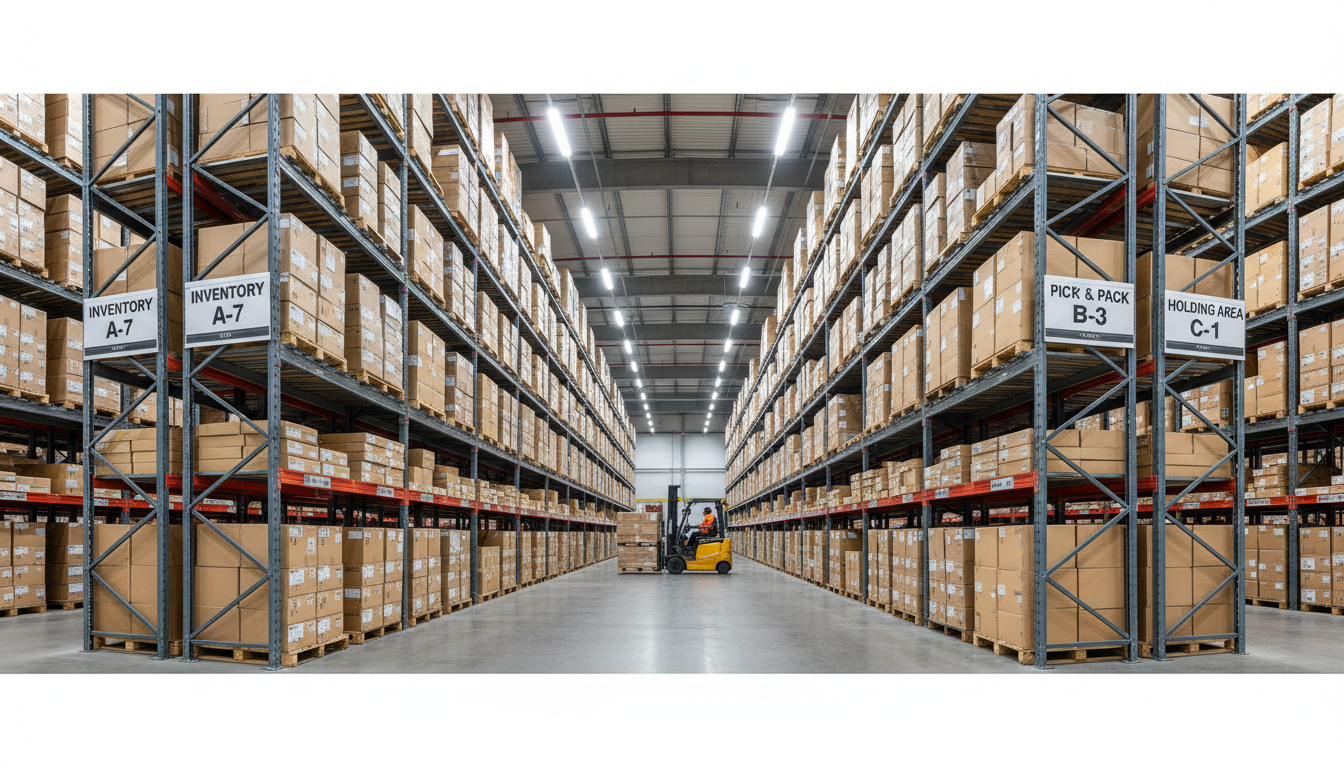
Warehouses perform several essential functions. Primarily, they provide storage space for products, protecting them from damage and deterioration. Warehouses also facilitate the organization and retrieval of goods, making it easier for logistics companies to manage inventory levels.
Additionally, warehouses play a vital role in the sorting and consolidation of products. By grouping items together, they enable efficient distribution to various locations. This not only saves time but also reduces transportation costs.

Types of Warehouses
There are various types of warehouses, each designed to meet specific needs. Public warehouses offer storage solutions to multiple clients, providing flexibility and cost savings. Private warehouses, on the other hand, are owned and operated by individual companies, giving them greater control over their inventory.
Another type is the distribution center, which focuses on the rapid movement of goods rather than long-term storage. These centers are strategically located to minimize delivery times and improve customer satisfaction.
Technological Advancements in Warehousing
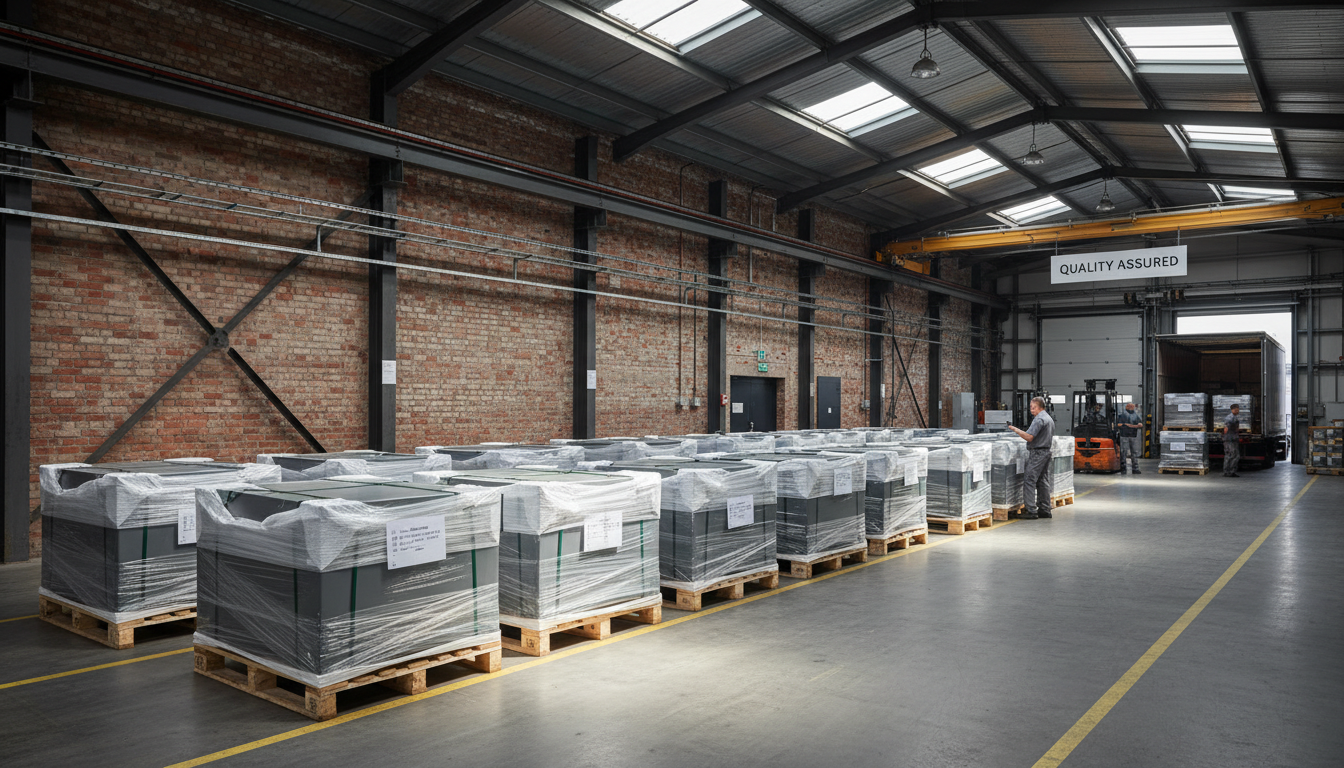
Technology has revolutionized warehousing, making it more efficient and effective. The use of automated systems, such as conveyor belts and robotics, has streamlined operations. This automation reduces labor costs and minimizes errors, leading to faster processing times.
Moreover, Warehouse Management Systems (WMS) have become integral in modern logistics. These systems provide real-time data on inventory levels, optimizing stock management and reducing the risk of overstock or stockouts.
The Impact of Warehousing on Supply Chain Efficiency
Effective warehousing directly impacts the overall efficiency of the supply chain. By ensuring that products are readily available and correctly distributed, warehouses help companies meet customer demands promptly. This reliability enhances customer satisfaction and encourages repeat business.
Furthermore, strategic warehouse locations reduce transportation costs and delivery times, increasing the competitiveness of businesses in the market.

Conclusion
In conclusion, warehouses play a pivotal role in logistics and distribution services. They not only store and protect goods but also enhance the efficiency of the supply chain. With technological advancements, warehouses continue to evolve, offering even greater value to businesses. As companies strive to meet growing consumer demands, the importance of effective warehousing cannot be overstated.