Transforming Industrial Spaces: Innovative Designs for Warehouses
Introduction to Industrial Transformation
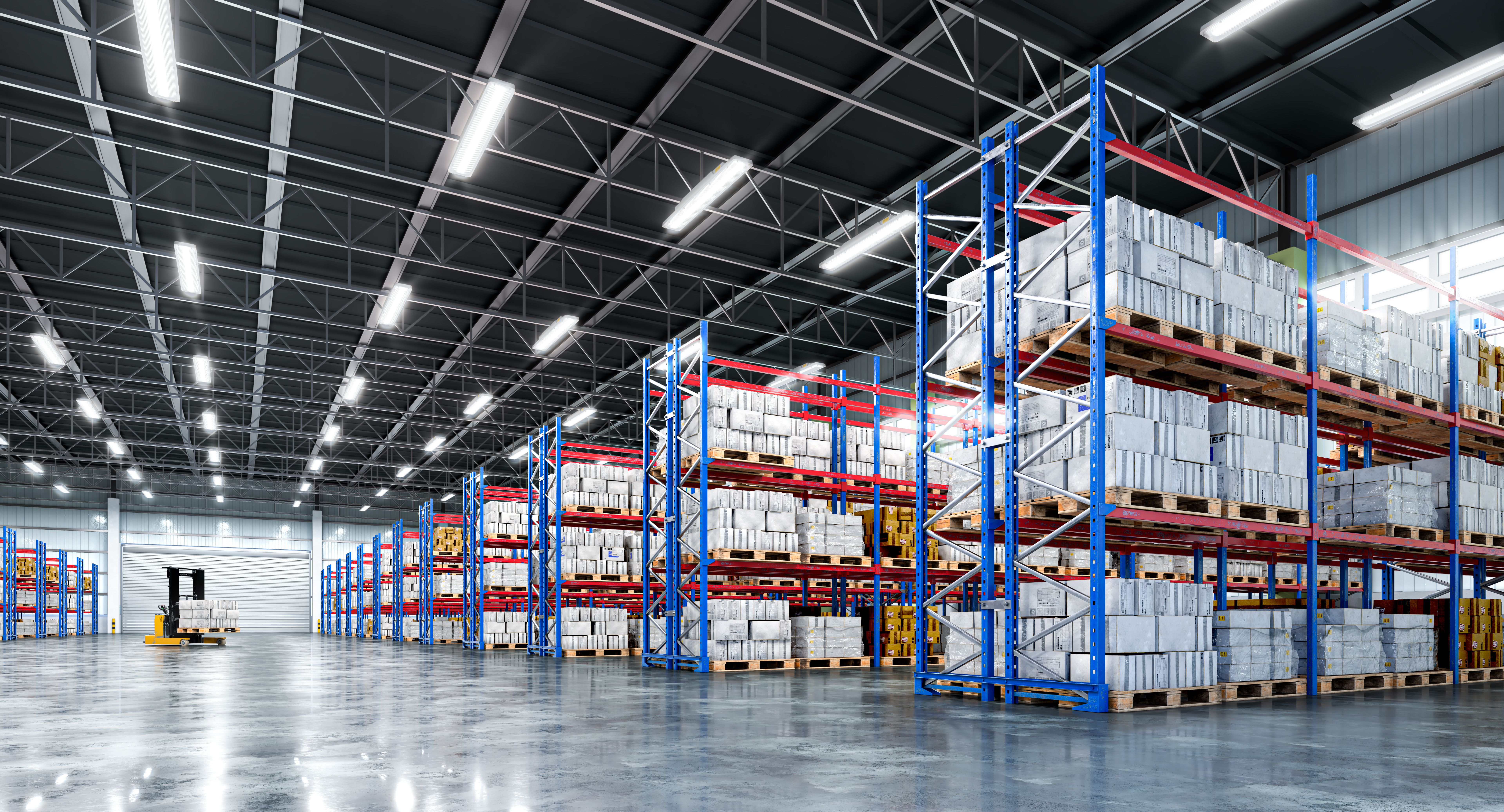
The transformation of industrial spaces, particularly warehouses, is gaining momentum as businesses recognize the potential for efficiency and innovation. Warehouses are no longer just storage facilities; they are becoming dynamic environments that support a variety of business operations. This shift is driven by the need for optimized logistics, sustainability, and enhanced worker productivity.
Modern warehouse designs are embracing technology and creativity to redefine their roles in the supply chain. By integrating smart solutions and adaptive layouts, these spaces are evolving to meet the demands of a rapidly changing market.
Embracing Smart Technology
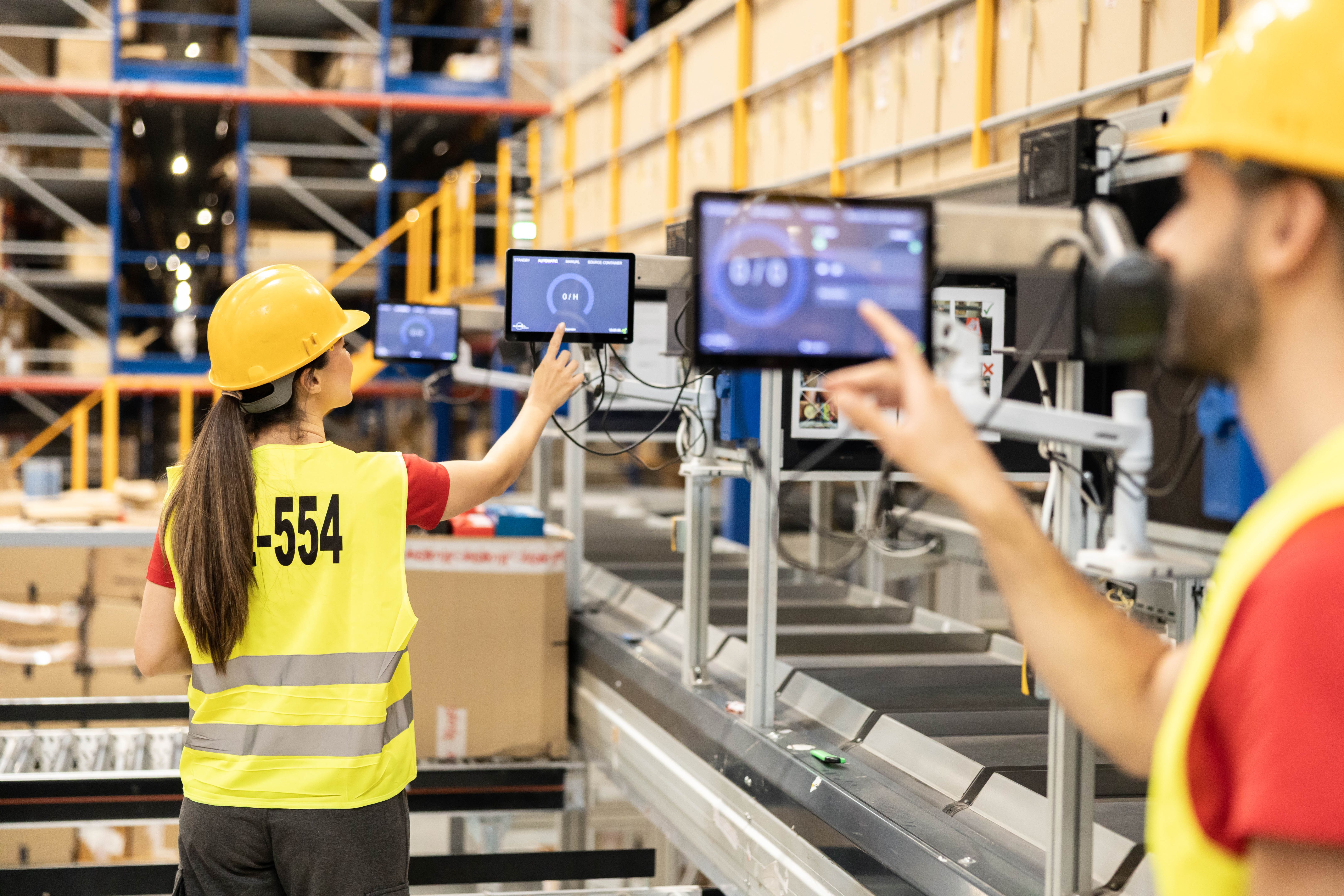
One of the most significant trends in transforming warehouses is the adoption of smart technology. Automated systems, IoT devices, and AI-driven analytics are being utilized to streamline operations. These technologies enhance inventory management, reduce errors, and increase efficiency.
For example, automated guided vehicles (AGVs) and robotics are increasingly used to handle repetitive tasks, freeing up human workers to focus on more complex activities. This integration not only boosts productivity but also improves safety within the warehouse environment.
Sustainable Design Practices
Sustainability is a crucial consideration in the redesign of industrial spaces. Eco-friendly materials, energy-efficient lighting, and climate control systems are being integrated to reduce the environmental impact of warehouses. By implementing green building practices, businesses can achieve cost savings and contribute to a healthier planet.
Another approach is the use of solar panels and rainwater harvesting systems, which help in reducing the operational costs and carbon footprint of these facilities. This commitment to sustainability enhances the overall brand image and aligns with global efforts to combat climate change.

Flexible and Adaptive Layouts
Warehouses are increasingly adopting flexible and adaptive layouts to accommodate diverse business needs. Modular shelving, mobile workstations, and adjustable racking systems allow for quick reconfiguration of space depending on current requirements.
This adaptability is crucial for businesses that experience fluctuations in inventory levels or need to accommodate different types of products. By investing in versatile infrastructure, companies can ensure their facilities remain functional and relevant.
Enhancing Worker Experience
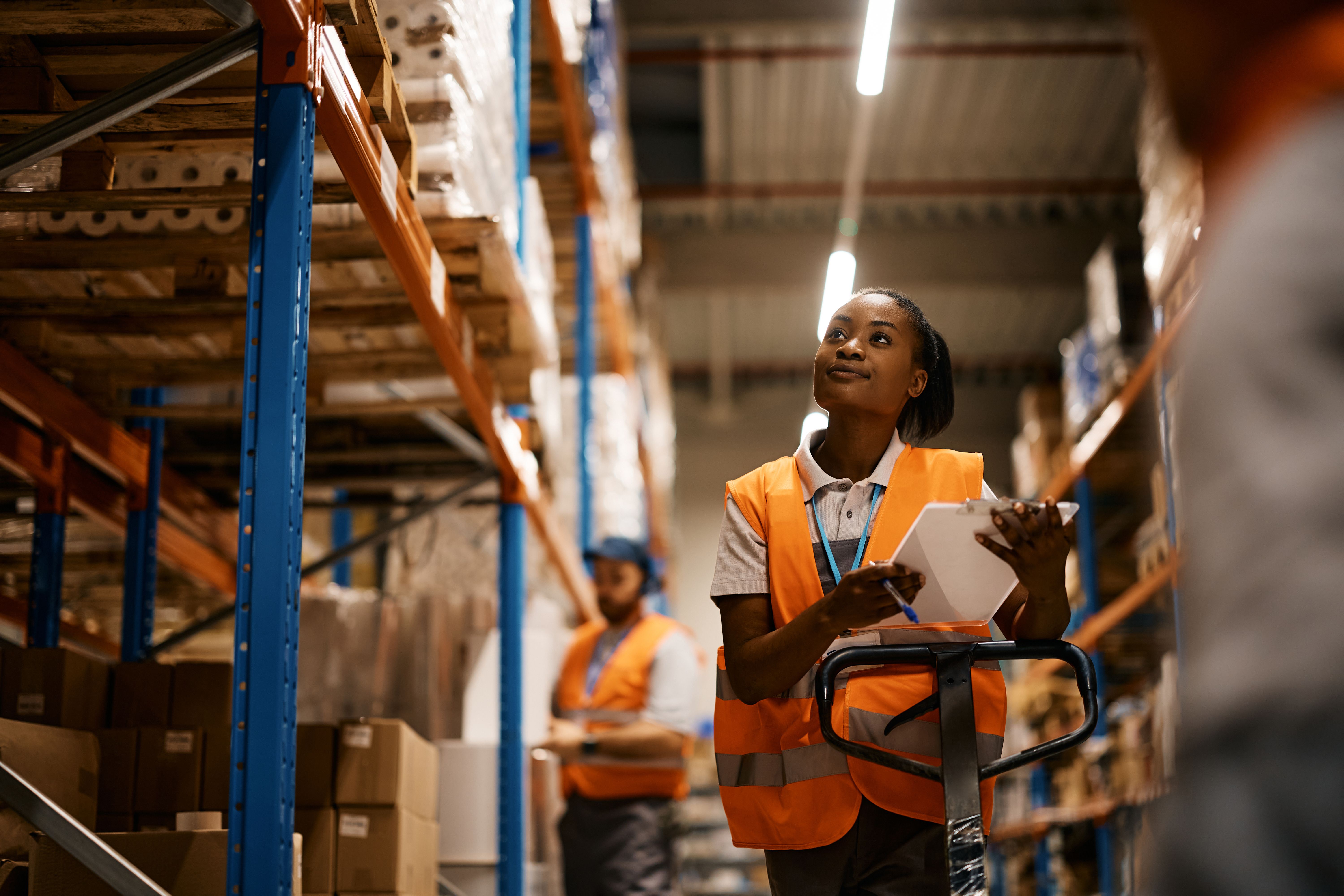
The transformation of warehouses also focuses on improving the worker experience. Ergonomic design, enhanced lighting, and climate-controlled environments contribute to a more comfortable and productive workspace.
Moreover, incorporating break areas, collaborative spaces, and training facilities within warehouses can significantly boost employee morale and retention. By prioritizing worker well-being, businesses can cultivate a motivated and efficient workforce.
Conclusion
The transformation of industrial spaces, particularly warehouses, is a multifaceted process that involves embracing technology, sustainability, and innovative design. By adapting to these trends, businesses can enhance their operational efficiency, reduce costs, and create a more engaging work environment.
As the demand for more versatile and dynamic warehouse spaces grows, companies that invest in these innovations will be better positioned to thrive in an increasingly competitive market. The future of warehousing is bright, and the possibilities are endless.