Understanding Logistics and Distribution in Modern Warehouses
Introduction to Modern Warehousing
In today's fast-paced world, logistics and distribution are essential components of a successful supply chain. Modern warehouses have evolved significantly, becoming more than just storage spaces. They now serve as dynamic hubs that ensure products move efficiently from manufacturers to consumers. Understanding these logistics and distribution processes can greatly enhance operational efficiency and customer satisfaction.
The Role of Technology
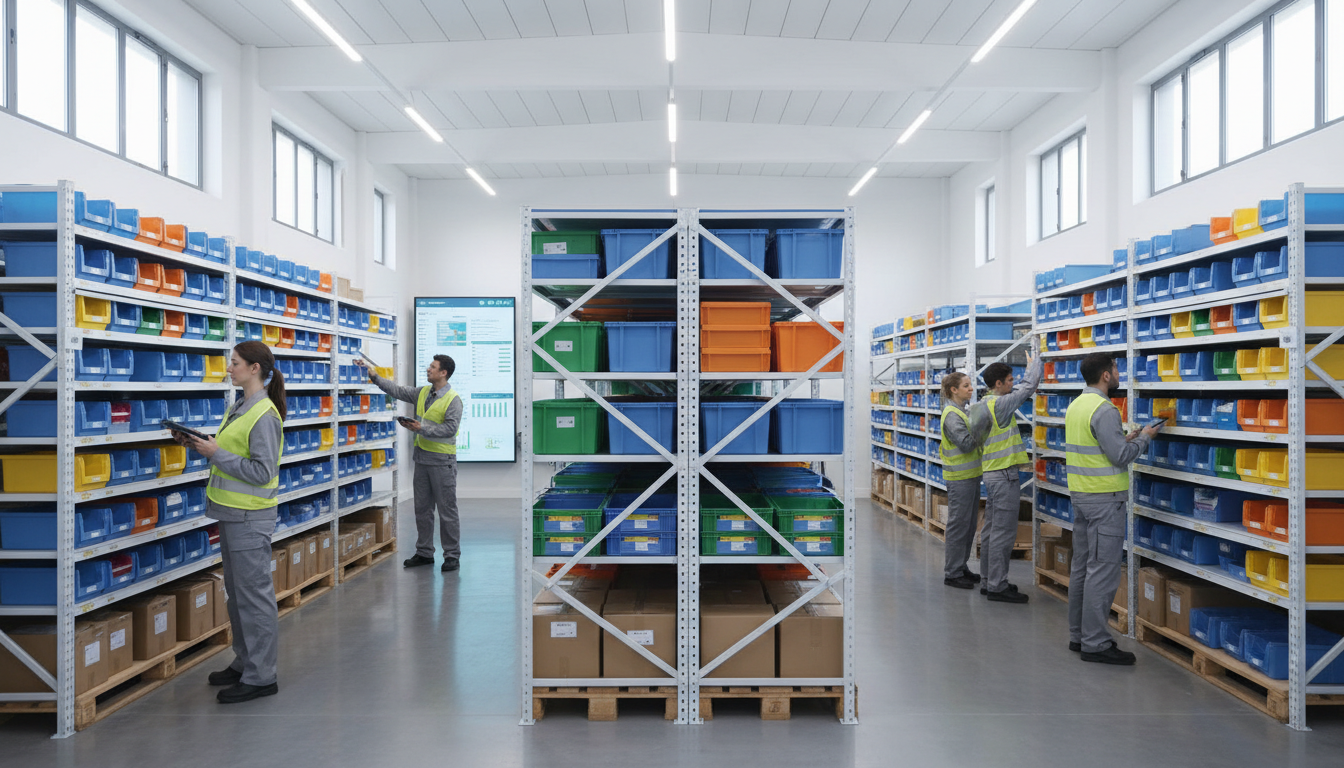
Technology plays a crucial role in modern warehousing. With the advent of advanced software and automation, warehouses can now handle tasks with precision and speed. Warehouse Management Systems (WMS) are particularly important, as they help in tracking inventory levels, managing orders, and optimizing storage locations.
Automation technologies, such as robotics and conveyor systems, further streamline operations. These technologies reduce human error and improve safety, allowing warehouses to handle larger volumes of goods while maintaining accuracy and efficiency.
Optimizing Inventory Management
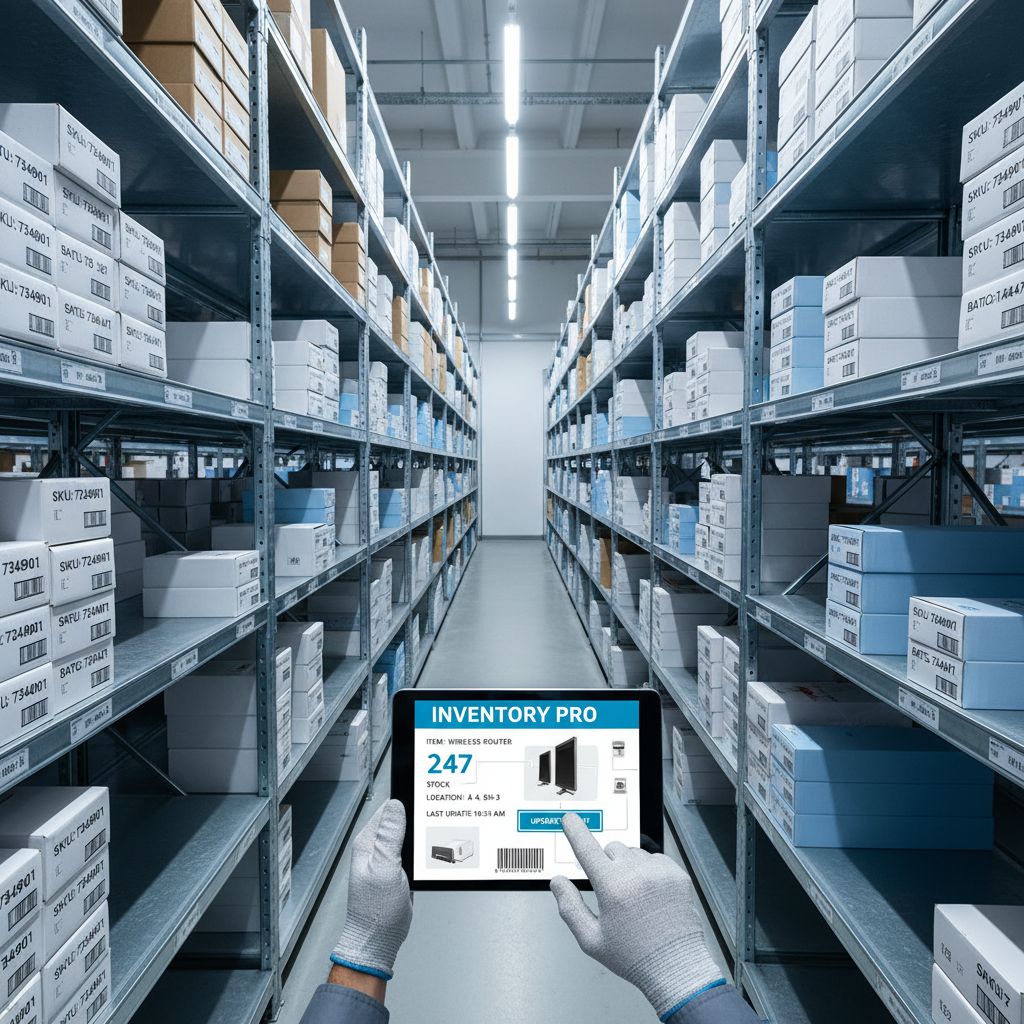
Effective inventory management is vital for any warehouse operation. By keeping track of inventory levels in real-time, businesses can minimize overstocking and understocking issues. Techniques such as Just-In-Time (JIT) inventory and cross-docking help in maintaining optimal inventory levels, reducing storage costs and improving cash flow.
Streamlining Distribution Channels
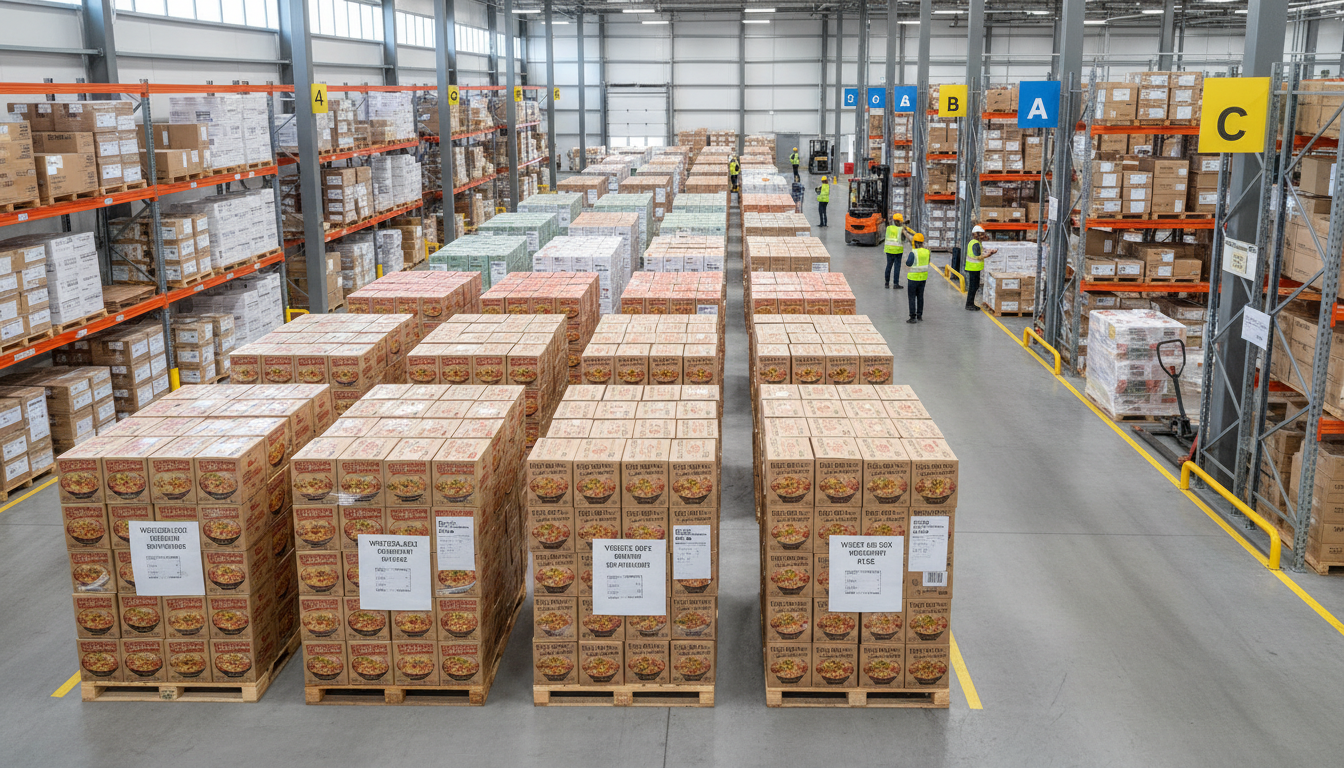
Distribution channels have become more complex, with multiple pathways to deliver products to consumers. Direct-to-consumer models and third-party logistics (3PL) providers have become popular, offering flexibility and scalability. By leveraging these channels, businesses can reach a wider audience and improve delivery times.
Choosing the right distribution strategy is crucial. Companies must consider factors such as cost, speed, and geographic reach to select the most effective approach.
Importance of Data Analytics
Data analytics is transforming how warehouses operate. By analyzing data from various sources, warehouses can gain insights into operational efficiency, inventory levels, and customer preferences. This information helps in making informed decisions, optimizing processes, and predicting future trends.
Advanced analytics can also enhance demand forecasting, allowing businesses to anticipate changes in consumer demand and adjust inventory levels accordingly.
Challenges in Logistics and Distribution
Despite technological advancements, challenges still exist in logistics and distribution. Issues such as fluctuating demand, transportation disruptions, and labor shortages can impact operations. To overcome these challenges, businesses must remain agile and adapt to changing conditions.
Developing contingency plans and investing in resilient supply chain strategies can help mitigate risks and ensure continuity in operations.
Conclusion
Understanding logistics and distribution in modern warehouses is crucial for businesses aiming to remain competitive in today's market. By embracing technology, optimizing inventory management, and leveraging data analytics, companies can enhance their operational efficiency and customer satisfaction. Staying informed about the latest trends and challenges will enable businesses to navigate the complexities of the supply chain effectively.