Warehouse Inventory Management: Best Practices for a Minimalist Approach
In today's fast-paced business environment, effective warehouse inventory management is crucial for ensuring smooth operations and cost-efficiency. Adopting a minimalist approach can streamline processes, reduce clutter, and improve overall productivity. This blog post will explore some best practices for implementing a minimalist strategy in warehouse inventory management.
Understanding Minimalism in Inventory Management
Minimalism in inventory management focuses on reducing excess and maintaining only what is necessary. This approach helps in cutting down storage costs and minimizes the risk of overstocking or stockouts. By applying minimalist principles, businesses can maintain a lean inventory that aligns with demand, improving both efficiency and customer satisfaction.

Streamline Inventory Processes
One of the first steps in adopting a minimalist approach is to streamline your inventory processes. This involves analyzing current workflows and identifying any unnecessary steps or redundancies. Consider implementing automation tools that can handle repetitive tasks, such as inventory tracking and order processing, which can free up valuable time for employees to focus on more strategic activities.
Regularly reviewing and updating inventory policies can also help maintain a minimalist inventory. Establish clear guidelines for reorder points and quantities, ensuring that stock levels are kept optimal without overburdening storage space.
Utilize Technology for Efficiency
Leveraging technology is a key component of a minimalist inventory strategy. Implementing inventory management software can provide real-time data on stock levels, trends, and forecasts. This allows for more accurate decision-making and helps prevent overstocking or stockouts.
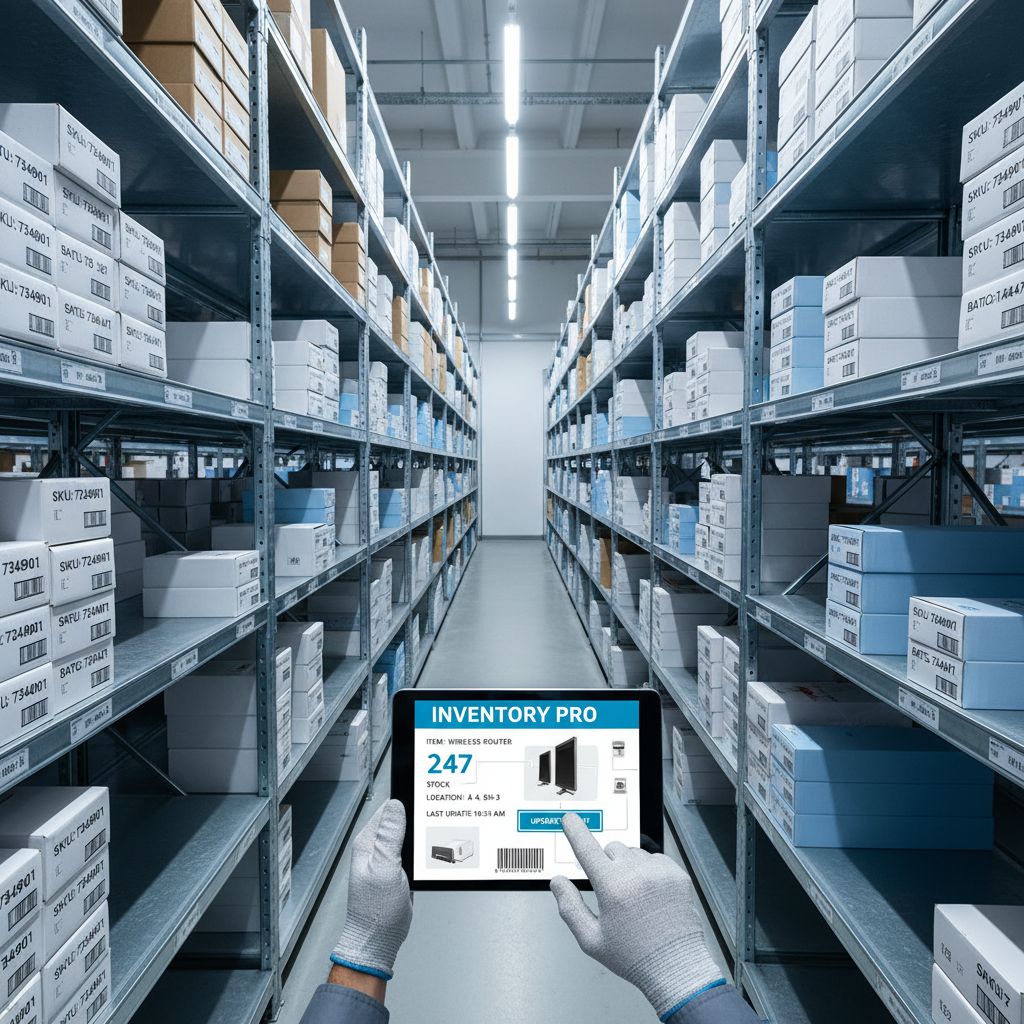
Additionally, utilizing barcode scanning systems can enhance accuracy and speed in tracking inventory movement. This reduces errors and ensures that inventory records are always up to date, contributing to a more efficient warehouse operation.
Optimize Warehouse Layout
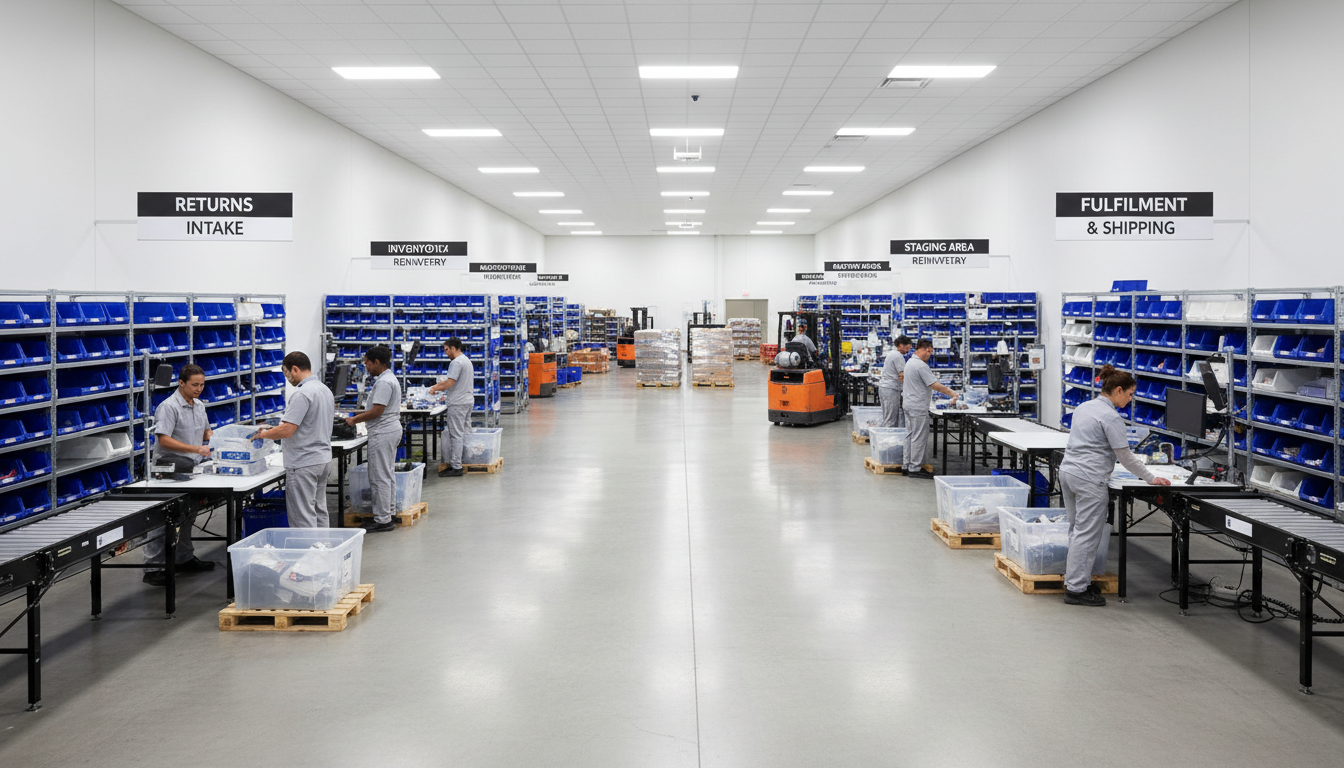
A well-organized warehouse layout is essential for minimizing unnecessary movement and maximizing space utilization. Adopt a layout that groups similar items together and places high-demand products closer to shipping areas. This can significantly reduce picking times and improve overall efficiency.
Regular assessments of the warehouse layout can help identify areas for improvement and ensure that the space is used effectively. This ongoing evaluation is a crucial part of maintaining a minimalist approach.
Implement Just-In-Time Inventory
Just-In-Time (JIT) inventory management is a strategy that aligns perfectly with minimalism. By ordering stock only as needed, businesses can reduce carrying costs and minimize waste. This approach requires close collaboration with suppliers to ensure timely delivery and consistent quality.
JIT inventory can lead to significant improvements in cash flow and operational efficiency, as it reduces the need for large storage areas and minimizes the risk of obsolete stock.
Foster a Culture of Continuous Improvement
Encouraging a culture of continuous improvement is vital for sustaining a minimalist inventory approach. Regular training sessions and workshops can help employees understand the importance of minimalism and how they can contribute to its success.
Feedback loops and open communication channels can also foster innovation and ensure that the minimalist approach evolves with changing business needs. This commitment to improvement can lead to long-term benefits and a more resilient warehouse operation.