Why 'No Where' Industrial Spaces Are Perfect for Modern Businesses
The Rise of 'No Where' Industrial Spaces
In recent years, a growing trend among modern businesses is the move towards 'no where' industrial spaces. These are often located in seemingly remote or unconventional areas, yet they offer a myriad of benefits that are hard to overlook. As companies seek to optimize their operations and embrace innovation, these locations provide a fresh perspective on what it means to run a successful business.
One of the main attractions of these spaces is their affordability. Compared to urban centers, costs for rent and utilities in remote areas are significantly lower, allowing businesses to allocate resources more effectively. This cost-effectiveness can be crucial for startups and established companies looking to expand without breaking the bank.

The Benefits of Space and Flexibility
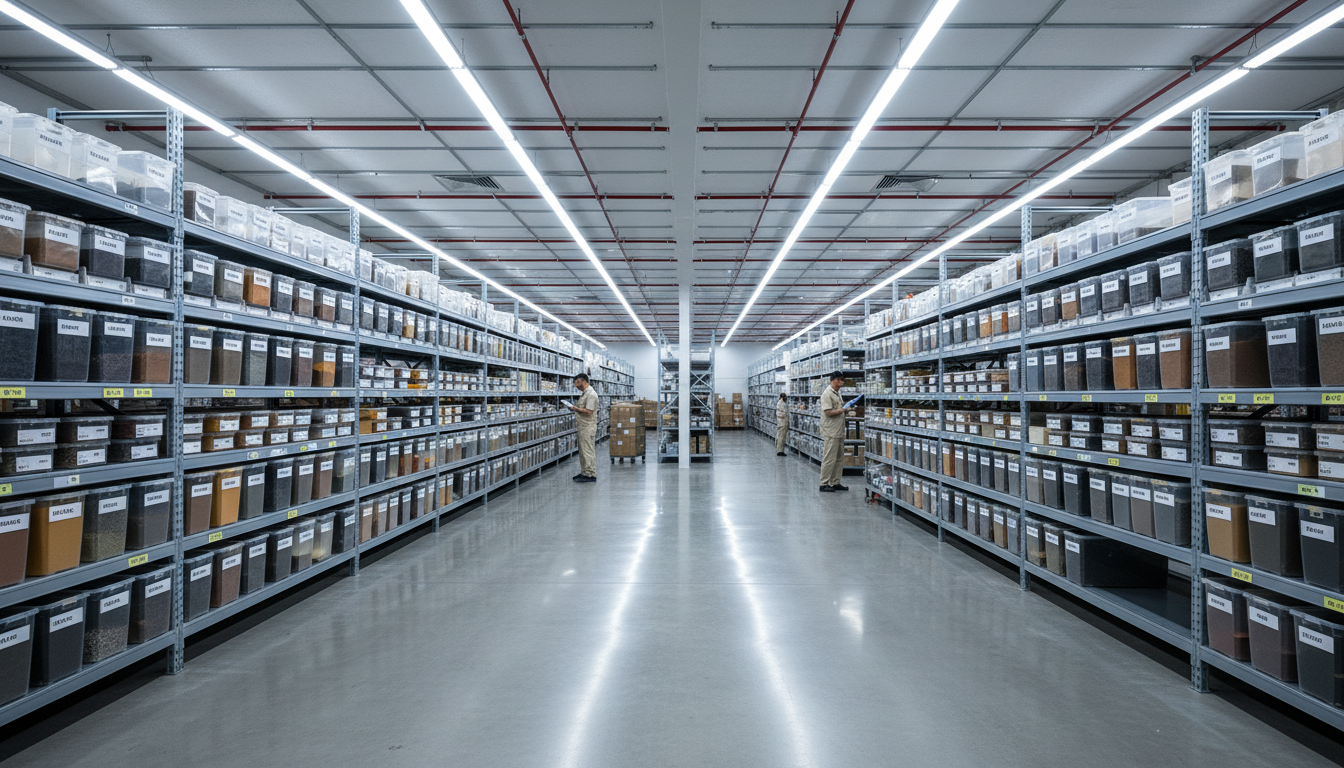
Another advantage of 'no where' industrial spaces is the abundance of space. Unlike congested urban environments, these areas offer ample room for growth and expansion. Businesses can design custom facilities that meet their specific needs, whether it's for manufacturing, warehousing, or creative workspaces.
Flexibility is another key benefit. With fewer restrictions and regulations, companies can experiment with innovative layouts and operational strategies. This freedom can foster a culture of creativity and adaptability, essential traits for thriving in today’s competitive market.
Access to Untapped Talent
Relocating to less populated areas also opens up access to untapped talent pools. Many skilled professionals are increasingly interested in living outside major cities, seeking a better quality of life. By setting up in these areas, businesses can attract and retain talented individuals who might not have been accessible otherwise.
Moreover, companies can benefit from lower labor costs without compromising on quality. This can be a significant advantage, particularly for sectors that require a large workforce.

Technological Connectivity
While it may seem that remote locations might lack technological infrastructure, advancements in connectivity have bridged this gap. High-speed internet and advanced communication tools enable seamless operations, allowing businesses to stay connected with global markets and clients.
Additionally, the rise of digital tools and platforms ensures that businesses can operate efficiently regardless of their physical location. This technological advantage makes 'no where' industrial spaces viable for companies of all sizes.
Sustainability and Environmental Impact
Operating in less densely populated areas can also contribute to a company’s sustainability goals. With more space available, businesses can implement eco-friendly practices such as renewable energy installations and waste reduction systems.
Furthermore, the integration of green technologies can enhance a company’s reputation and appeal to environmentally conscious consumers and clients. This strategic move can set businesses apart in an increasingly eco-aware market.

Community Engagement and Support
Lastly, establishing a presence in 'no where' spaces can foster strong community ties. Businesses can play a pivotal role in local economic development, creating jobs and contributing to the community’s growth.
Engaging with local communities can also lead to collaborative opportunities and partnerships. This symbiotic relationship benefits both the business and the surrounding area, creating a supportive environment for continued success.